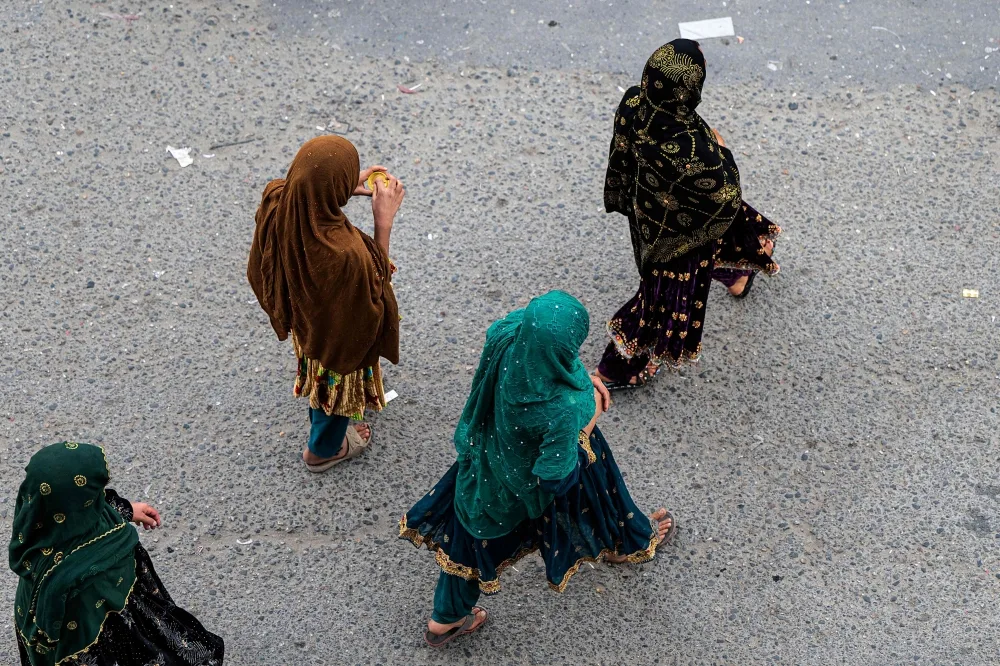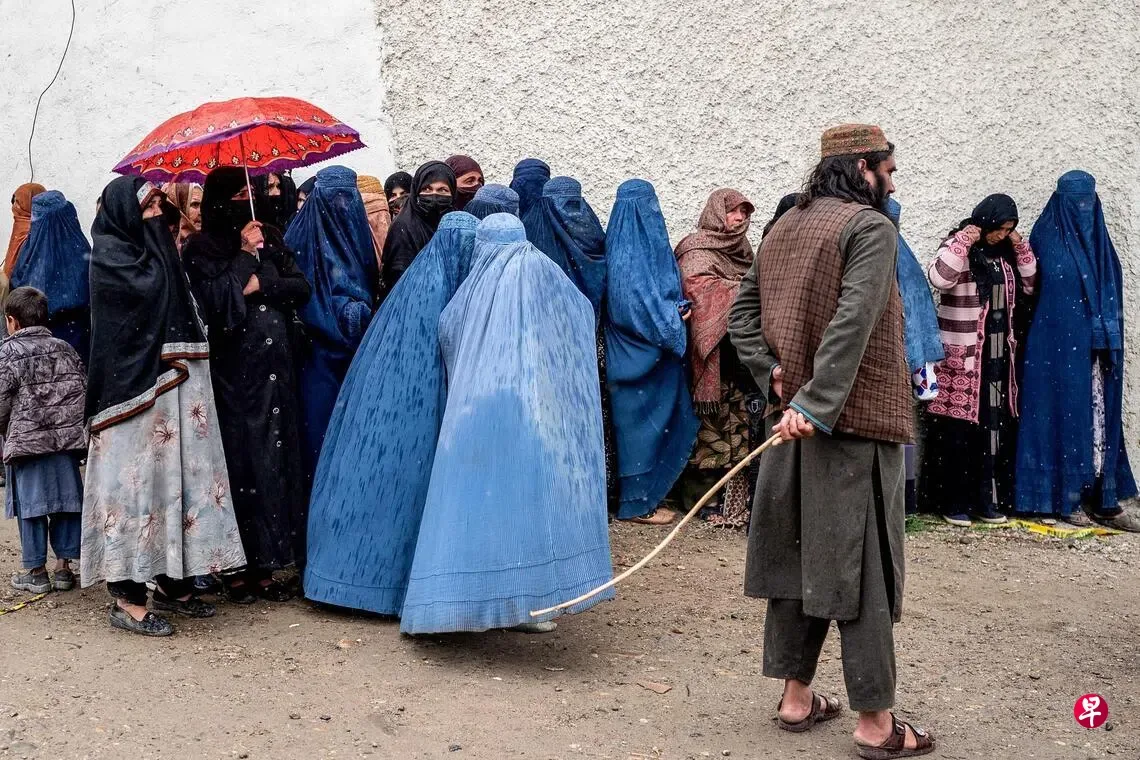
The UN Assistance Mission in Afghanistan (UNAMA) raised serious concerns on June 7 about the arrest and detention of women in Herat province for allegedly breaching Taliban dress code regulations [1, 2]. At least 21 women and girls were reported detained due to non-compliance with the Taliban's "proper hijab" rules, which require women to wear coverings that include face veils and prohibit makeup in public [1, 2].
On June 8, the Taliban issued a directive reinforcing these dress code requirements, threatening punitive measures for violations [1, 2]. Since taking power in 2021, the Taliban has imposed wide-ranging restrictions on women’s lives, limiting their access to education, employment, and sports [1, 2, 3]. A UNICEF report from April warned that over 25,000 female teachers and health workers could be lost in Afghanistan by 2030 if restrictions persist [1, 2].
Taliban authorities claim their policies respect women’s rights as defined by their interpretation of Islamic law [1, 2, 3]. UNAMA stressed the right of all people to freedom of movement and equality before the law regardless of gender. It reminded the de facto authorities that "all persons, both women and men, are entitled to equality before the law," urging compliance with these principles [2].
On June 9, large-scale protests erupted in Herat against the forced enforcement of dress codes by the Taliban's moral police [3]. Security forces reportedly opened gunfire to disperse demonstrators, leading to at least one death, several injuries, and dozens of arrests, including women and girls [3]. The Herat police spokesperson, Sayed Masoud Hosseini, described the protests as "a public order disruption under the guise of opposing hijab requirements" [3].
While UNAMA’s official statements focus on arrests and detentions without citing casualties, local reports indicate a violent crackdown with at least one fatality during the protests [1, 2, 3].
The situation in Herat remains tense following the protests and crackdown. There are no further updates on government or Taliban responses beyond the June 9 events.