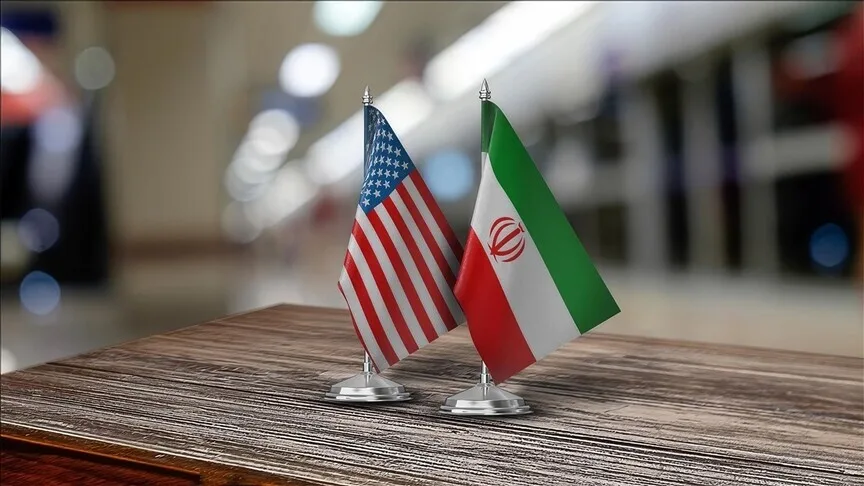
The United States and Iran announced a peace agreement on June 15 calling for an immediate and permanent cessation of military operations across all conflict zones, including Lebanon [1, 2, 3]. The deal requires Iran to permit free passage of shipping in the Strait of Hormuz and the US to lift its naval blockade on Iranian ports [2, 4].
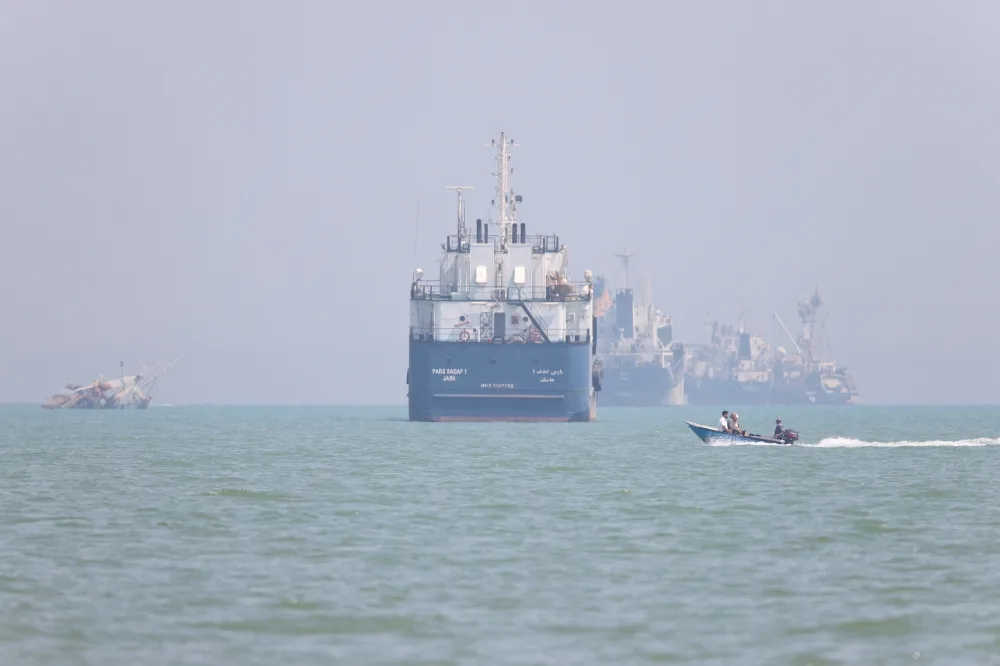
The Strait of Hormuz, a vital global oil trade route disrupted during the conflict, will be reopened to commercial shipping under the agreement. Reopening is expected to involve Iran coordinating and the US lifting its naval blockade within about 30 days [5, 4, 6]. Economy Minister Akmal Nasrullah Mohd Nasir said the oil supply recovery will be gradual due to the need to clear routes and repair infrastructure damaged in the war. "If it is true that a peace deal can be reached, its impact may take time because of the process of clearing routes in the Strait of Hormuz and repairing infrastructure damaged during the war. So, it will take time to fully recover," Nasir said [1, 3].
The accord triggers a 60-day negotiation period to tackle nuclear program provisions, sanctions relief, and release of frozen Iranian assets [2, 5, 4]. Iran insists on suspending and eventually lifting all primary and secondary US, UN, and IAEA sanctions, including those on oil and financial assets [5, 4, 6]. The draft memorandum includes releasing about US$24-25 billion in frozen Iranian assets during the negotiation period, with some funds reportedly to be released before formal talks start [5, 4, 6].
Iran's nuclear commitments involve maintaining its current nuclear status during the talks and negotiating uranium enrichment arrangements over 60 days, while agreeing not to produce or acquire nuclear weapons [2, 4, 6, 7]. The US and allies plan a reconstruction and development package for Iran estimated at US$300 billion or more to be negotiated in the same period [5, 4].
The agreement aims to end hostilities immediately, though sources differ on whether the ceasefire is permanent or a 60-day extension while talks continue [2, 5, 6, 7]. Similarly, some accounts say the Strait of Hormuz reopens immediately; others expect reopening within 30 days under coordination [2, 5, 4, 6, 7]. Sanctions relief scope and frozen asset release terms are also subject to differing reports [2, 5, 6].
According to senior Iranian officials, the peace deal includes a 14-point draft memorandum released publicly by Iranian media on June 12, followed by detailed outlines given on June 14 to Reuters [5, 4, 6].
Analysts remain cautious. Middle East expert Neil Quilliam called the agreement "just a big Band-Aid and future conflict is likely to come at some point," while engineer Iyad Joumma noted that "its success will depend on the ability of the parties involved to address the root causes of the tensions" [2].
The next steps involve the 60-day negotiation period starting immediately to finalize details on nuclear arrangements, sanctions relief, asset release, and reconstruction funding [2, 5, 4, 6, 7].