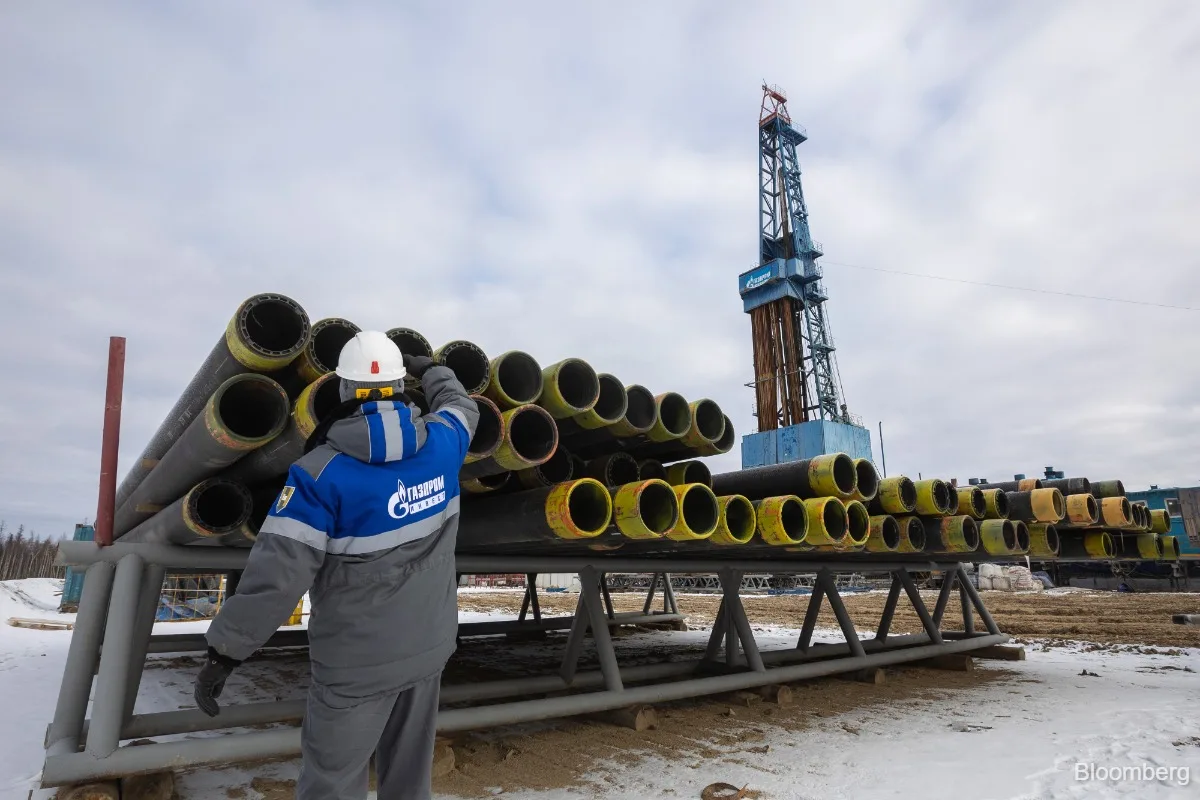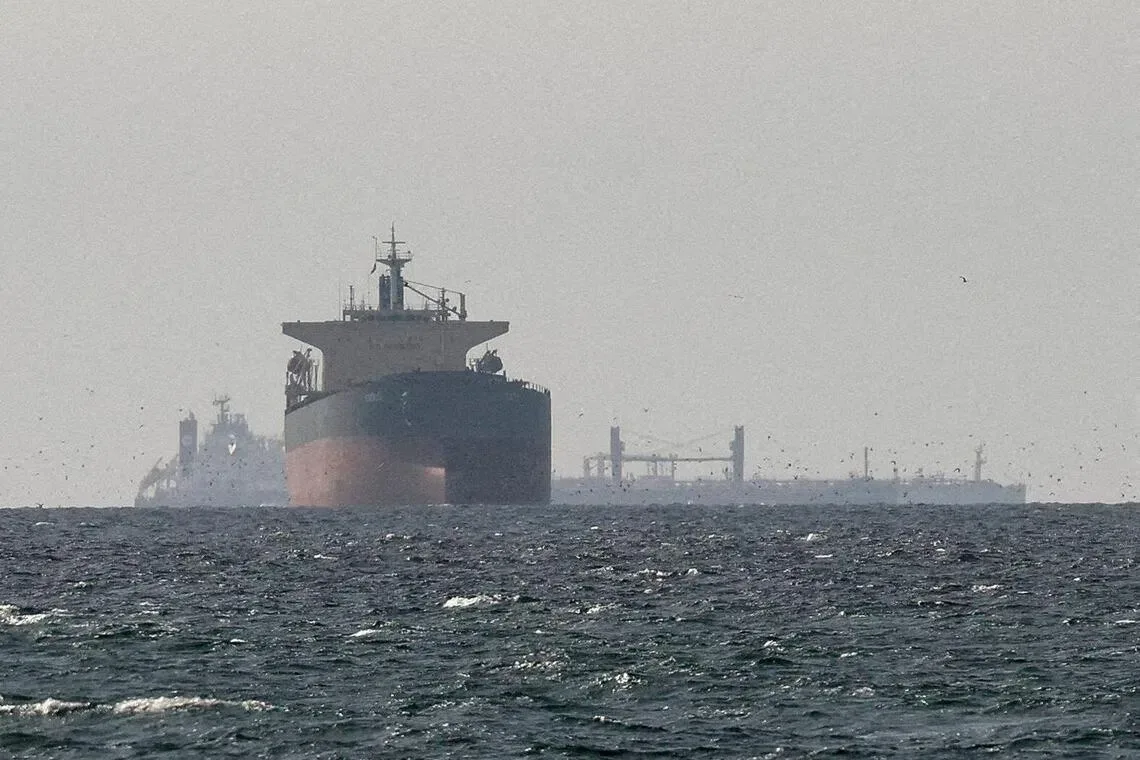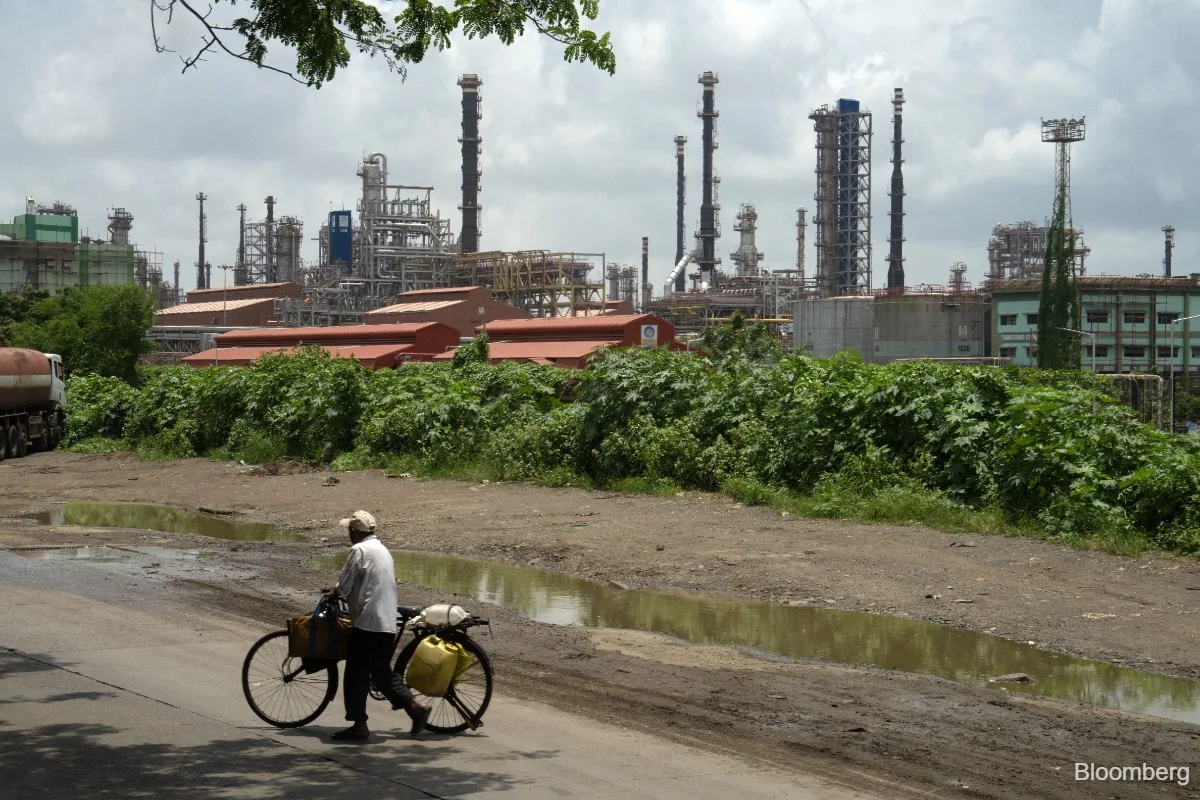
The US Treasury initially allowed a sanctions waiver on Russian seaborne oil purchases to lapse on May 16, 2026, ending temporary exceptions that had let countries including India buy Russian crude shipped by sea amid global supply shortages [1, 2].
Three days later, on May 19, US Treasury Secretary Scott Bessent announced a 30-day extension of the waiver, reversing the earlier decision not to renew it. He said the extension would help stabilize the crude oil market and ensure oil reaches energy-vulnerable countries amid disruptions from the US-Israel conflict with Iran [3, 4]. Bessent stated, "This extension will provide additional flexibility, and we will work with these nations to provide specific licenses as needed. This general license will help stabilize the physical crude market and ensure oil reaches the most energy-vulnerable countries" [4].
The waiver applies only to Russian oil already loaded on tankers, not new Russian exports. The US Treasury had issued the waiver twice before to temporarily ease market pressure following strikes against Iran that disrupted supply chains [3, 4]. India remains the top consumer of Russian seaborne crude and was near record purchases in April and May 2026, partly enabled by previous waivers. India’s refiners said they expect to handle supply disruptions from the waiver lapse due to lower demand and other supplies from the US and Middle East [1, 2, 5].
Democratic senators Jeanne Shaheen and Elizabeth Warren opposed extending the waiver, arguing it finances Russia’s war in Ukraine and does not reduce US gasoline prices, which reached roughly $4.50 per gallon in mid-May, the highest since 2022 [1, 2, 3]. They warned, "Every additional dollar the Kremlin earns from this license helps Putin finance his illegal war against Ukraine and kill innocent Ukrainians" [3].
Following the waiver’s lapse on May 16, reports on May 18 indicated India’s refiners expect to manage supply impacts through refinery maintenance and alternative sources [5]. The new 30-day extension took effect on May 19 and will remain active through mid-June [3, 4].