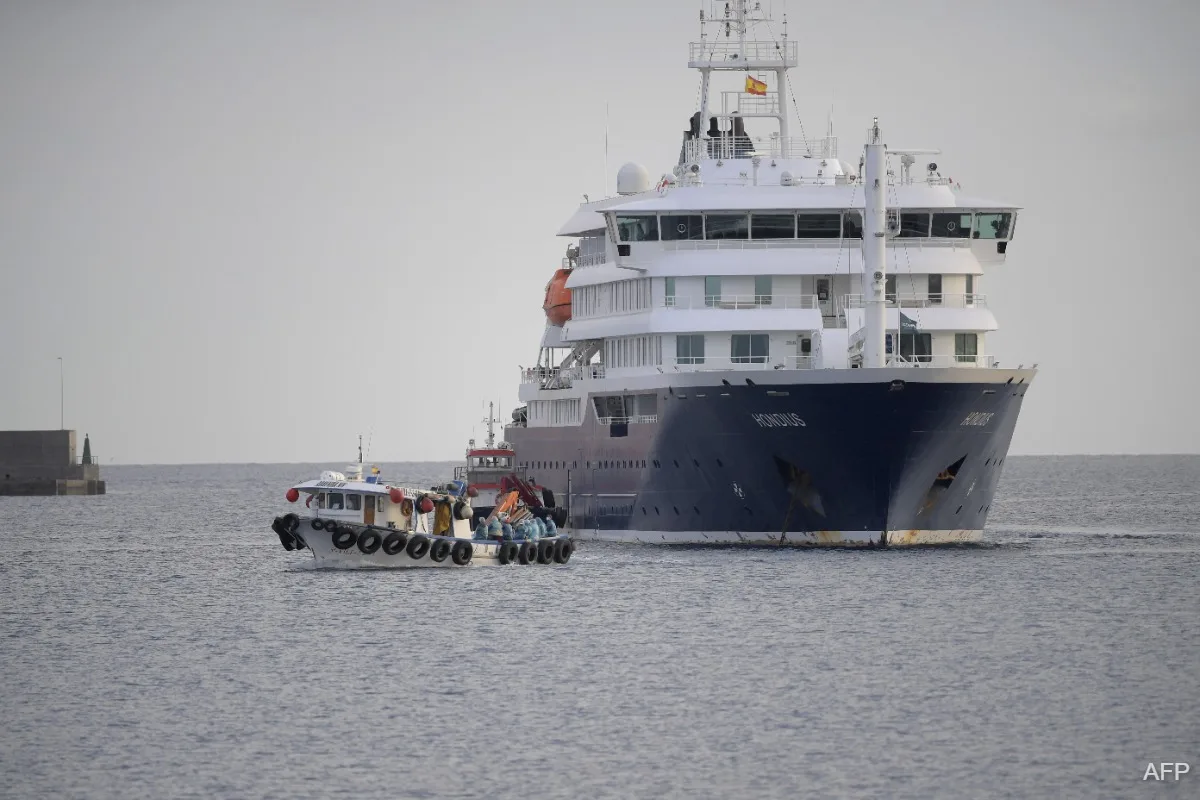
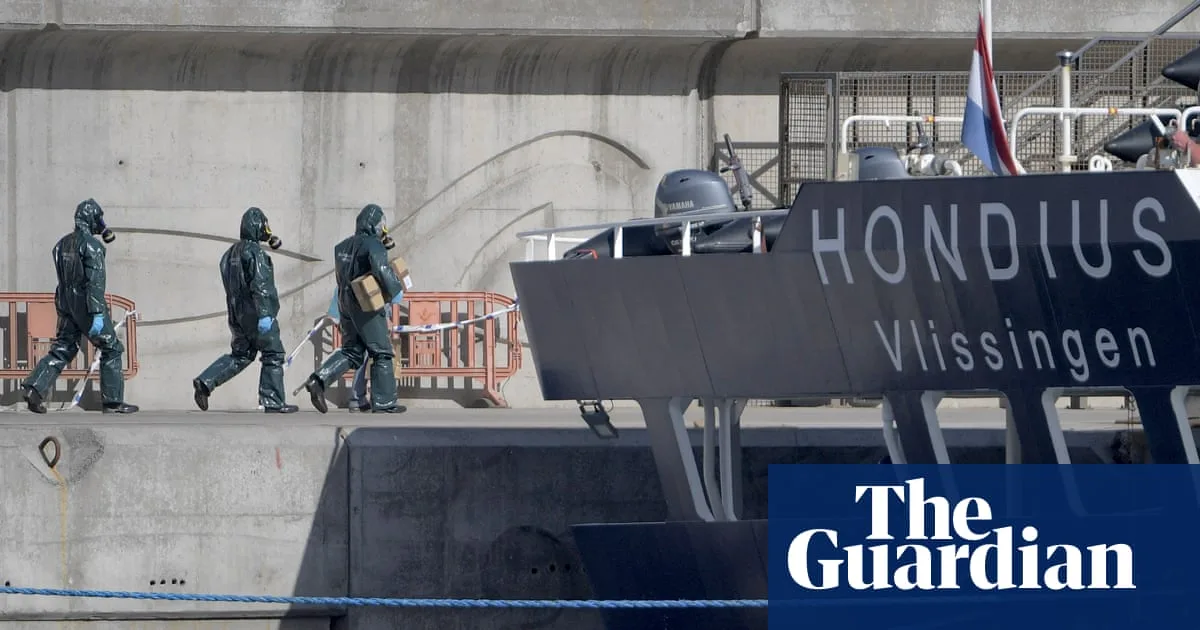
WHO Director-General Tedros Adhanom Ghebreyesus said on May 12 in Madrid that the hantavirus outbreak linked to the cruise ship MV Hondius was contained for now, but warned more cases could appear in the coming weeks because of the virus's long incubation period. He said, "our work is not over" and added there was "no sign that we are seeing the start of a larger outbreak." [1, 2, 3]
The ship was linked to at least three passenger deaths, and WHO said it had confirmed nine Andes-strain cases, while an AFP tally of official figures counted seven confirmed cases and one probable case. Tedros told reporters that the first case on board was confirmed on May 2 and that the index case dated to May 6. [1, 2, 3]
More than 120 passengers and crew were flown out from Spain's Canary Islands on Sunday and Monday after Spain allowed the vessel to anchor off the islands for the evacuation. Cape Verde refused to receive the ship. WHO said the evacuation reflected different national responses and that countries were responsible for their citizens after repatriation. [1, 2, 3]
WHO guidance cited in the reports called for a 42-day quarantine and constant monitoring of high-risk contacts. Health officials said the global public health risk was low and rejected comparisons with the start of the Covid-19 pandemic. Tedros said he hoped countries would follow the agency's advice and recommendations and urged "compassion and solidarity." [1, 2, 3]
Countries were taking different approaches to the returning evacuees, and the United States was reported as not necessarily quarantining American passengers. WHO said it expected governments to handle their own nationals after evacuation as monitoring continued in the days ahead. [1, 2, 4]