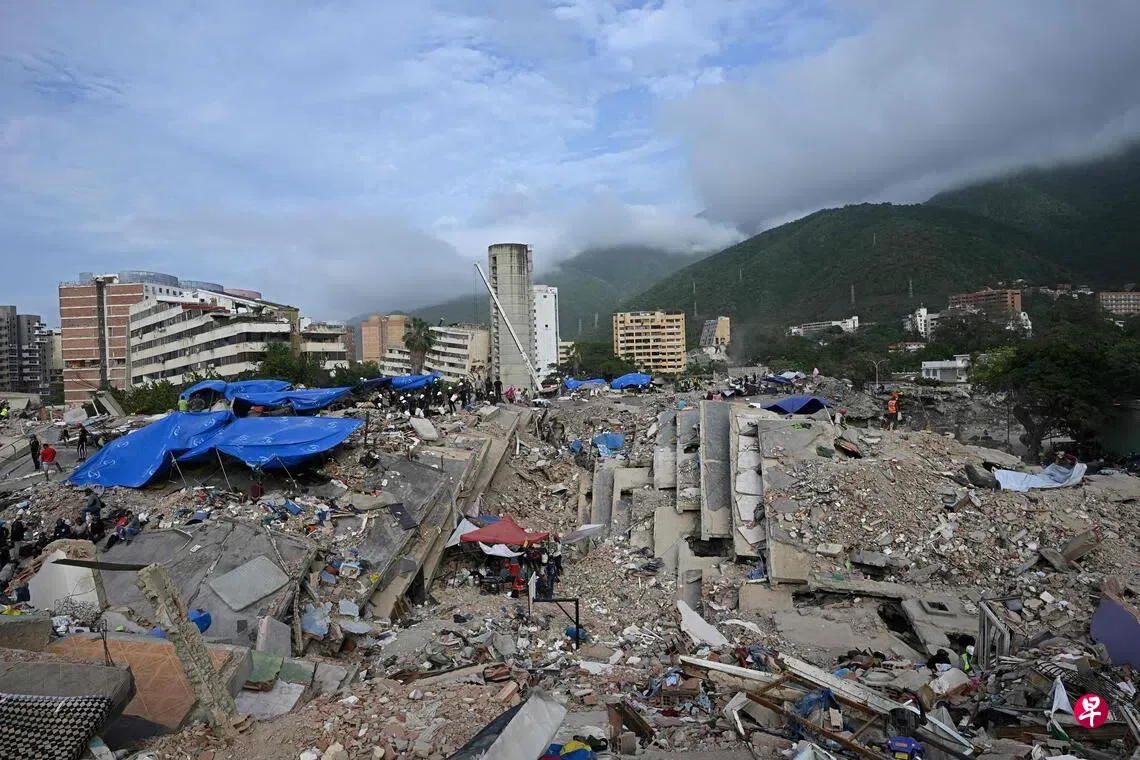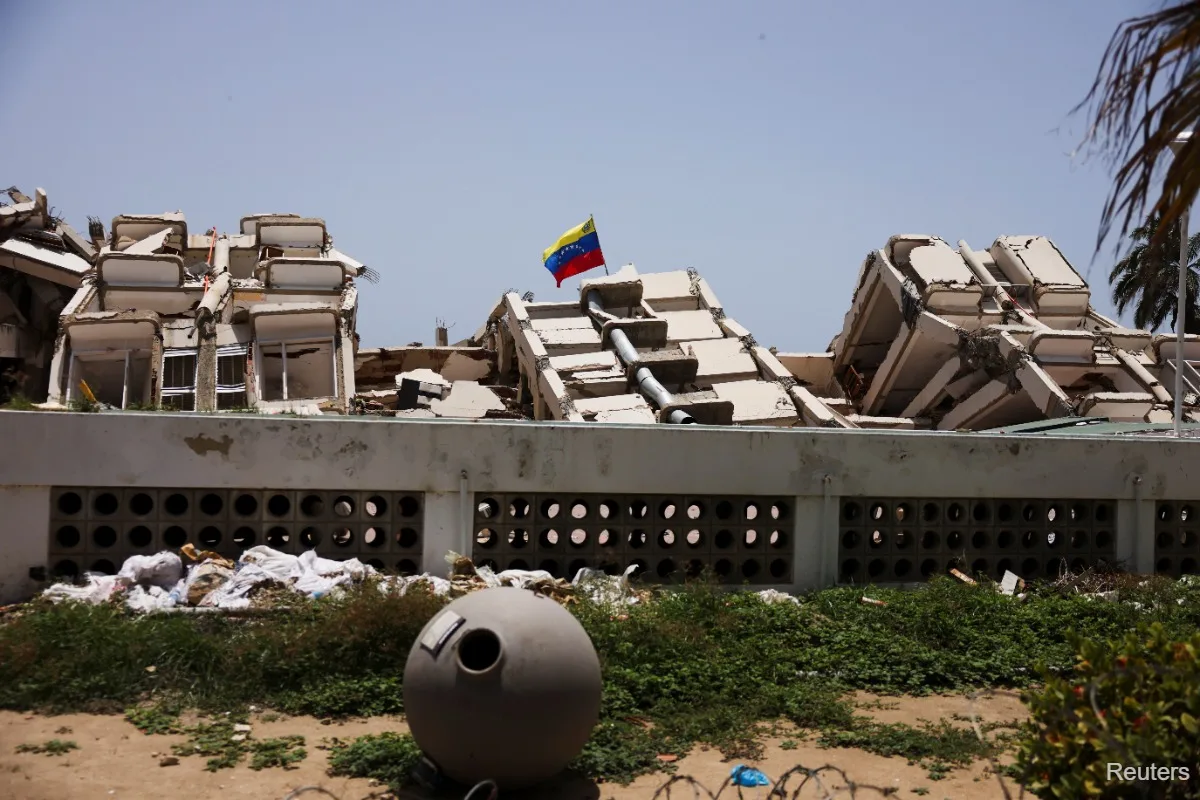
Two powerful earthquakes measuring 7.2 and 7.5 hit Venezuela on June 24, resulting in severe destruction across the country, the World Bank reported on July 23 [1, 2, 3]. The natural disasters caused an estimated US$19.6 billion in direct physical damage, with nearly half of the losses affecting residential buildings. Infrastructure accounted for 27% of the damage, while non-residential buildings made up the remaining 26% [1, 2, 3].
Approximately 5,000 people died and nearly 17,000 were injured due to the quakes, while about 18,000 individuals remain homeless after losing their homes [1, 3]. The devastation struck amid an ongoing socioeconomic crisis in Venezuela, where over 76% of the population lives in poverty and millions have fled the country since 2015 [1, 3].
Susana Cordeiro Guerra, World Bank Vice-President for Latin America and the Caribbean, called the damage "a staggering figure for any economy and one that demands a coordinated response." She warned that “without timely additional investment, the negative impact on productive capacity and living standards will slow the path to recovery” [1].
The World Bank estimates that the total cost of recovery, including rebuilding and debris clearance, could be two to two-and-a-half times the direct damage cost, potentially reaching up to US$50 billion [1, 2]. To better assess the broader economic impact, the bank is working with the Venezuelan government and regional development banks on a comprehensive recovery cost evaluation [1, 2].
The June 24 earthquakes mark one of the worst natural disaster events in recent Venezuelan history, compounding existing humanitarian and economic challenges. The World Bank’s early assessment highlights the scale of the recovery needed to restore infrastructure and basic services across affected areas.