Malaysia began enforcing a ban on social media accounts for users under 16 from June 1, 2026, requiring major platforms to implement strict age verification measures under the Online Safety Act 2025 [1, 2, 3, 4, 5, 6, 7].
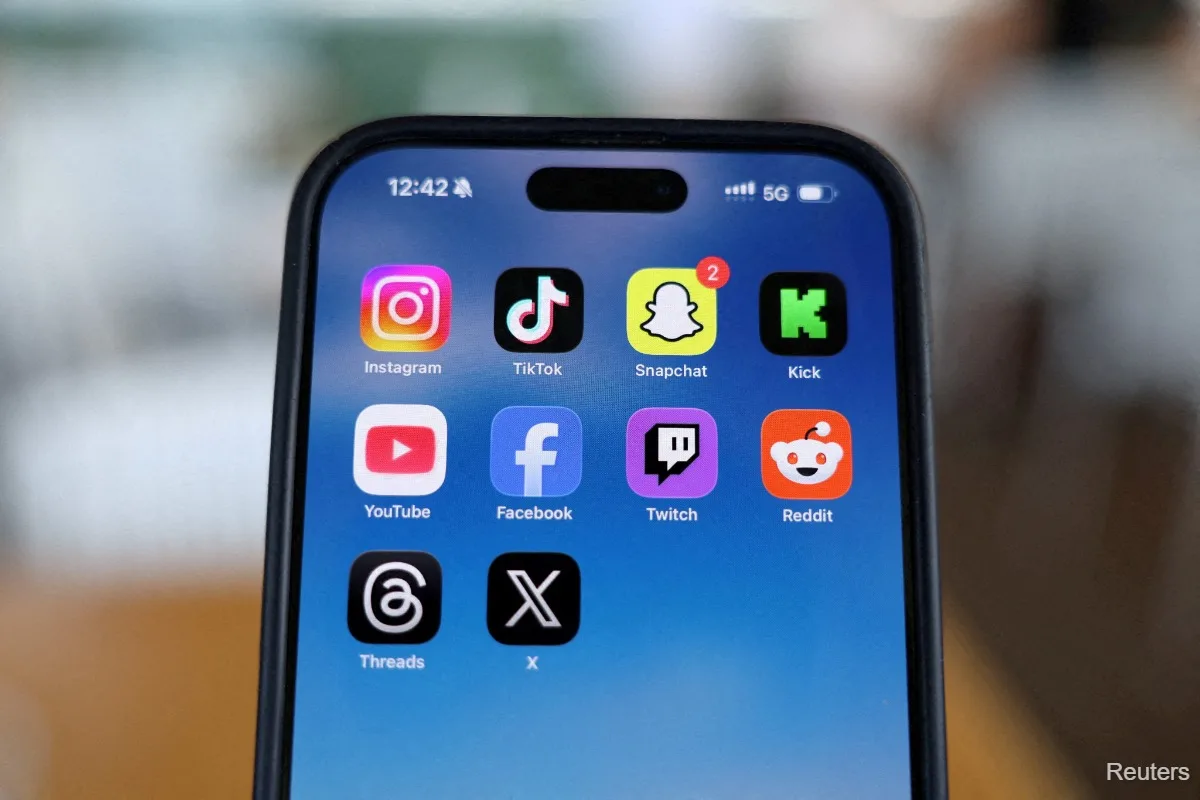
The rules apply to social media providers with at least eight million users in Malaysia. Platforms affected include Facebook, Instagram, TikTok and YouTube [1, 8, 2, 3, 9, 6]. Users must verify their age using government-issued IDs such as MyKad, passports, or the MyDigital ID system before registering or maintaining accounts [1, 2, 4, 5, 6, 7].
Current users under 16 have a six-month transition period to verify their age. Those found underage will have an additional one month to download or transfer data before their accounts are restricted or suspended [2, 9, 10, 6]. The Malaysian Communications and Multimedia Commission (MCMC) emphasized, "Licensed social media providers are required to implement safeguards, including age verification for users, with the minimum age set at 16" [2].
The Online Safety Act 2025 requires adherence to two codes: the Child Protection Code, which demands safety-by-design for child users, and the Risk Mitigation Code, which mandates content governance, risk assessments, and labeling of manipulated content [2, 4, 5, 6, 7]. Platforms failing to comply face fines up to 10 million Malaysian ringgit (about US$2.5-3.2 million) [1, 2, 3, 4, 5, 6, 7].
Malaysia’s government said these measures aim to protect children from harmful content, cyberbullying, grooming, scams, addictive designs, and excessive screen time without cutting children off from technology entirely [3, 4, 9]. Prime Minister Anwar Ibrahim stated, "These rules are necessary following a rise in serious youth-related crimes linked in part to social media use" [9]. MCMC added, "These measures help strengthen the protection of children in the online environment, while providing added reassurance to parents in navigating increasingly complex digital risks" [3].
Malaysia follows global trends, joining countries like Australia, which banned social media accounts for under-16s in December 2025, and Indonesia which enforced similar rules in March 2026 [1, 8, 11, 3, 9, 5].
The implementation has caused debate. Child rights groups such as Article 19 have called on Malaysia to withdraw the blanket ban due to concerns it harms children's rights [1, 8]. Meta’s Southeast Asia public policy director Clara Koh warned, "Malaysia’s blanket under-16 ban could backfire by driving teenagers away from protected apps and into unregulated corners of the internet" [3]. Other critics argue the age verification tools could be used for excessive government control, undermining privacy and democratic rights [12].
Social media platforms have until approximately December 1 to complete age verification for existing users under 16, with identified accounts given until early July to secure data before account restrictions begin [2, 9, 6].