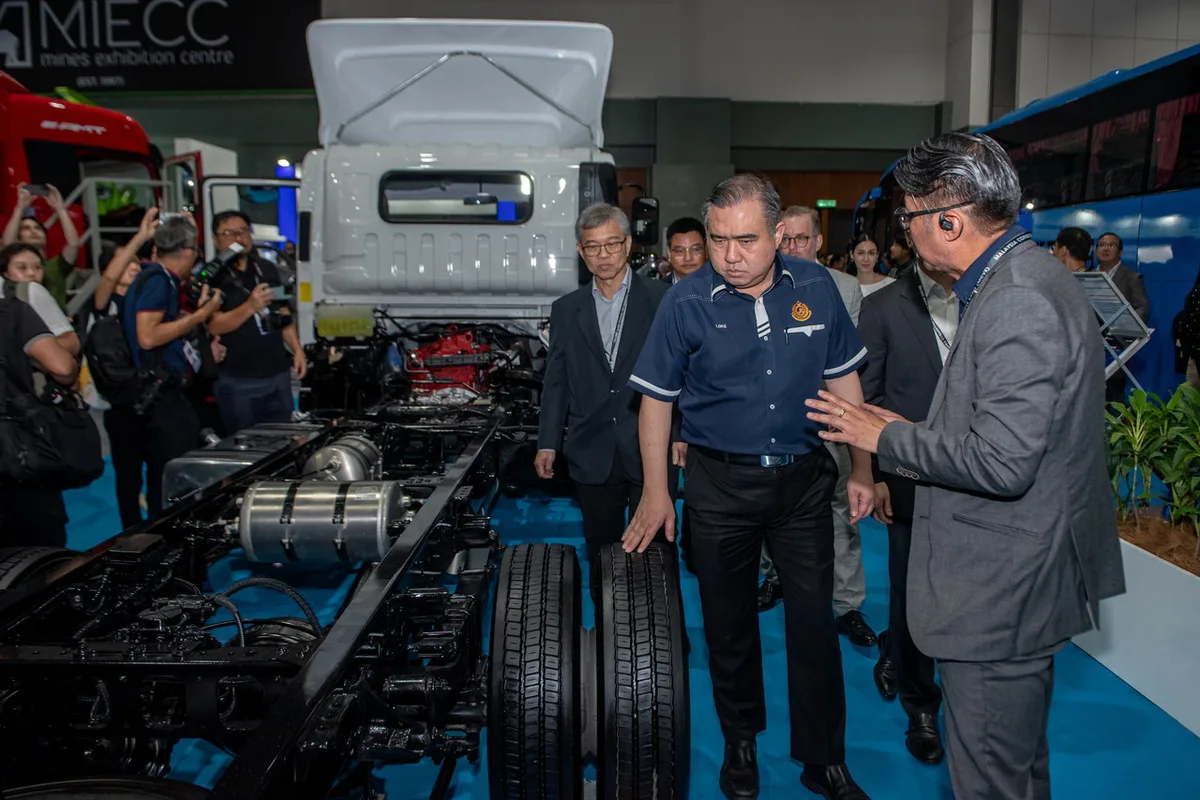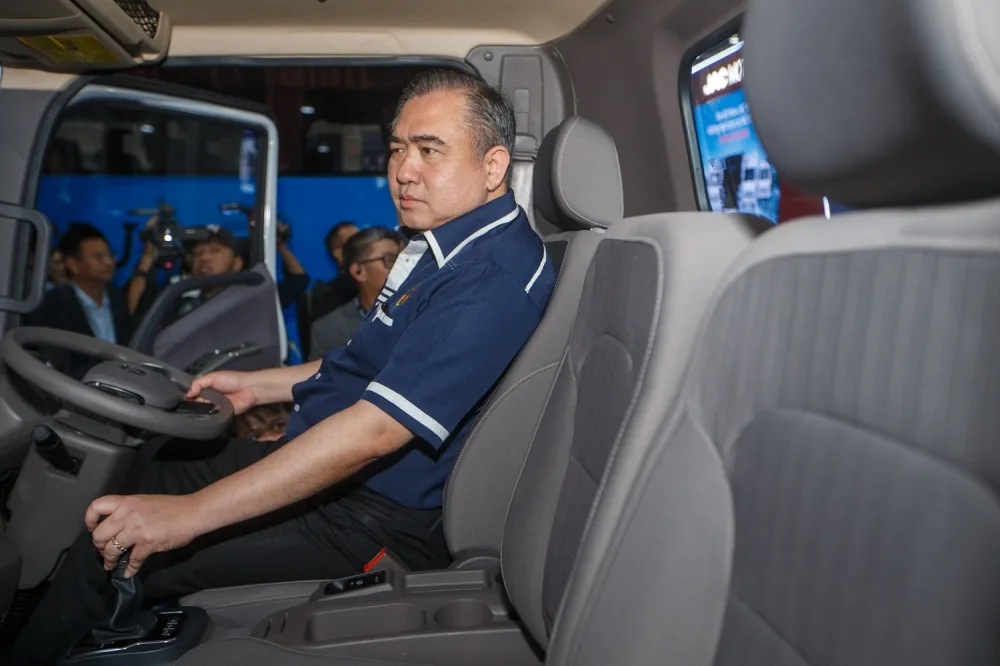
Malaysia's Transport Ministry is planning to test autonomous vehicles (AVs) within controlled environments such as ports and airports to speed the adoption of AV technology [1, 2]. These closed locations allow short-distance AV operations that enhance data collection while avoiding risks from mixing autonomous vehicles with public road traffic [1, 2].
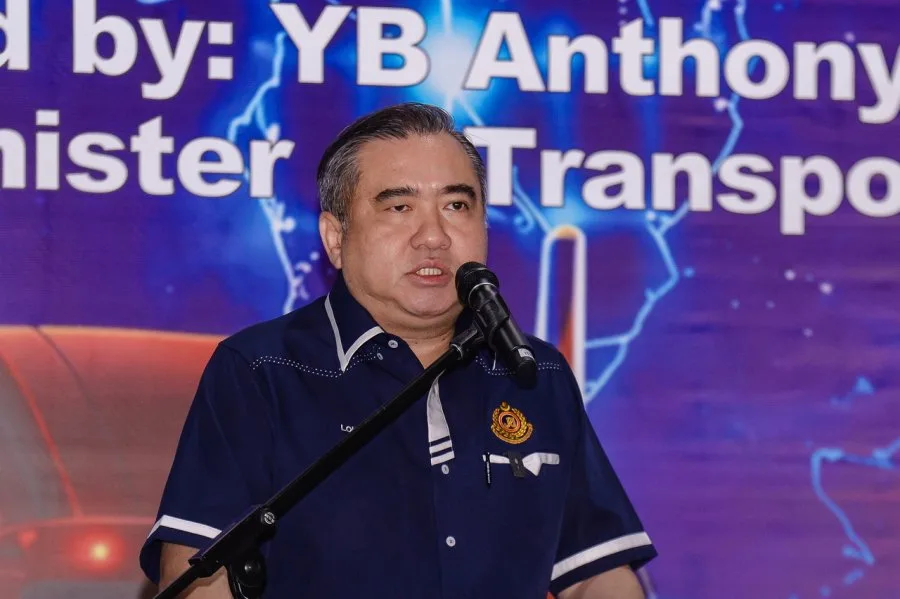
The initiative aims to address the driver shortage facing Malaysia’s labor-intensive logistics sector. Transport Minister Anthony Loke said, "Worker shortage is one of the practical problems that the logistics sector is facing. We do not have enough drivers. So, this is another way, not only in terms of adopting new technologies but addressing practical solutions" [1]. He made similar remarks in Mandarin, emphasizing the shortage's urgency [2].
Malaysia targets introducing Level 3 autonomous driving by 2030 [1]. The country’s Digital Ministry and Road Transport Department have been discussing new legislation for AV use since September 2025, laying groundwork for regulatory approval [1]. Loke noted the timeline remains uncertain but a target schedule exists: "It is very hard to put a figure (but) of course, there is a target timeline and so forth" [1].
The Transport Minister announced these plans on May 14 at the Malaysia Commercial Vehicle Expo, outlining government efforts to pilot AV technology in logistics hubs [1, 2]. Testing in confined locations like ports and airports offers a safer, data-rich setting to develop AV operations without exposure to mixed public traffic.
The next steps will involve finalizing legislative frameworks and conducting live AV tests in designated zones to gather operational data and assess practical impacts. Such trials are expected to inform broader AV adoption policies before the 2030 Level 3 automation target.