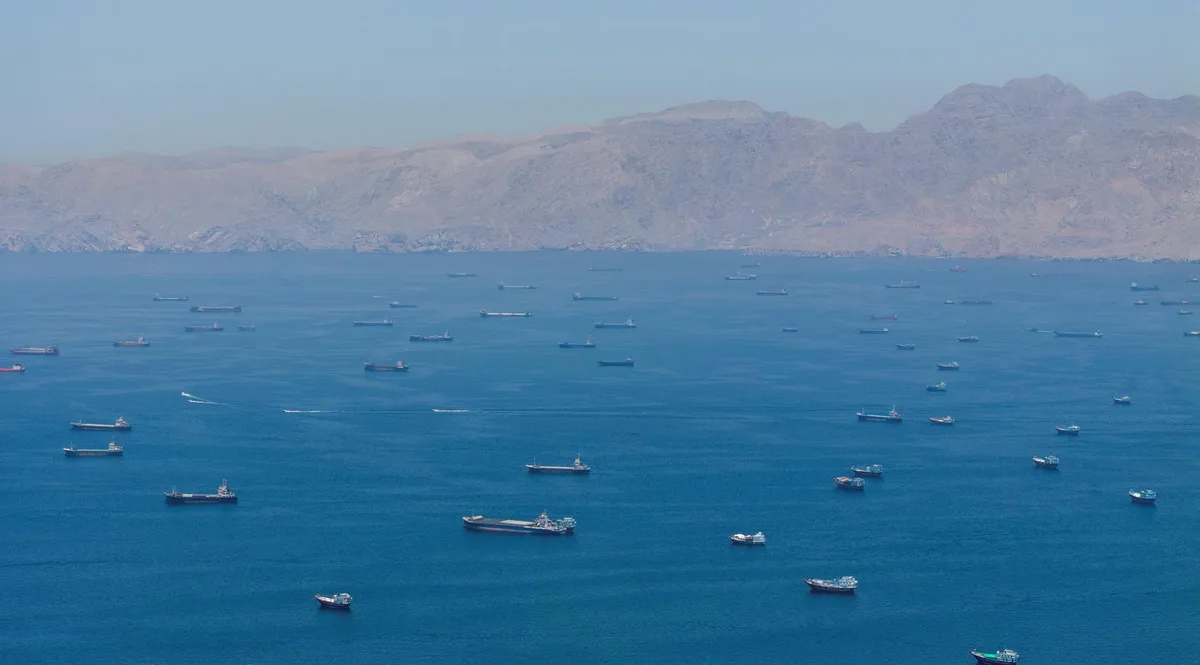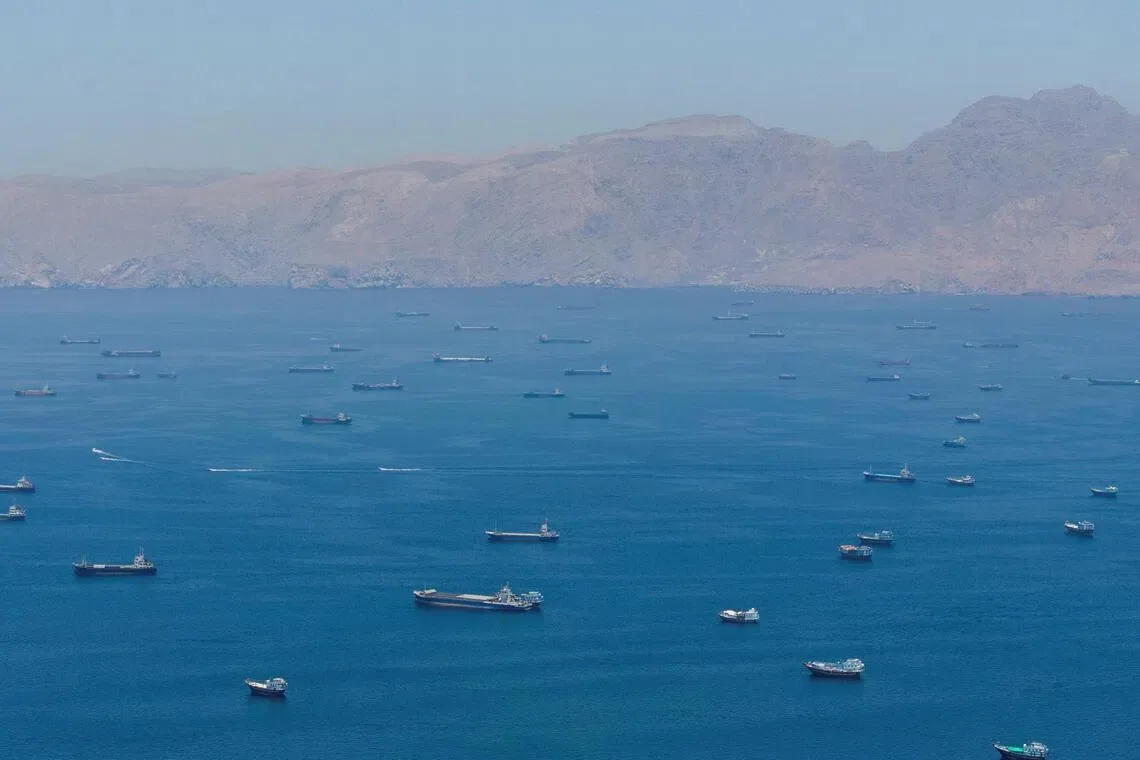
Approximately 1,500 ships have been stranded in the Persian Gulf near the Strait of Hormuz for nearly three months, held up by regional conflict involving Iran [1, 2, 3]. About 20,000 seafarers continue to man skeleton crews aboard these vessels, which have accumulated barnacles, algae, and other sea growths requiring removal before sailing can resume [1, 2, 3].
The narrow Strait of Hormuz, measuring about 21 nautical miles at its tightest point, channels a significant portion of global maritime traffic, including roughly 130 ships per day prior to the conflict [1, 2, 3]. The United States and Iran have recently moved closer to securing a deal to reopen the strait after months of tension and standstill [1, 2, 3]. Despite this progress, major challenges remain.
Shipping companies need clarity on which ships will receive priority, approved navigation routes, and which authorities will oversee permit coordination before vessels can transit en masse. Jakob P Larsen, chief safety and security officer of the Baltic and International Maritime Council, said, "We will need to know which route to take, and then, of course, what kind of coordination or permits or whatever would need to be obtained with which authorities" [2].
Significant risks linger from sea mines believed planted by Iran. Some mines rest on the seabed and damage vessels by releasing gas bubbles. The US, UK, French, and German navies would require several weeks to deploy minesweepers to clear hazards, delaying the reopening timeline [1, 2, 3]. Iran has asserted control over the strait through a regulatory agency, complicating authority coordination [1, 2, 3].
Even after an agreement, it could take weeks or months for the roughly 130 daily ships to return to prewar transit levels due to the logistical and safety preparations needed [1, 2, 3]. Energy prices in the US and globally are not expected to fall quickly despite renewed traffic, while maritime insurance rates likely will stay elevated given the enduring mine threat and operational uncertainties [1, 2, 3].
Some industry players remain skeptical about the prospects of a full and lasting reopening deal [2, 3]. The next immediate step involves minesweeping operations, which naval sources indicate will take several weeks to deploy vessels and clear the strait to safe navigation standards [1, 2, 3].