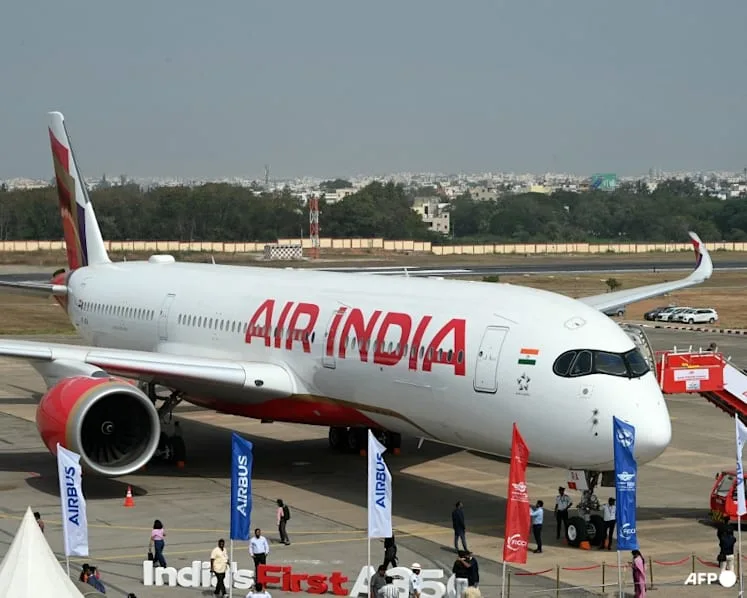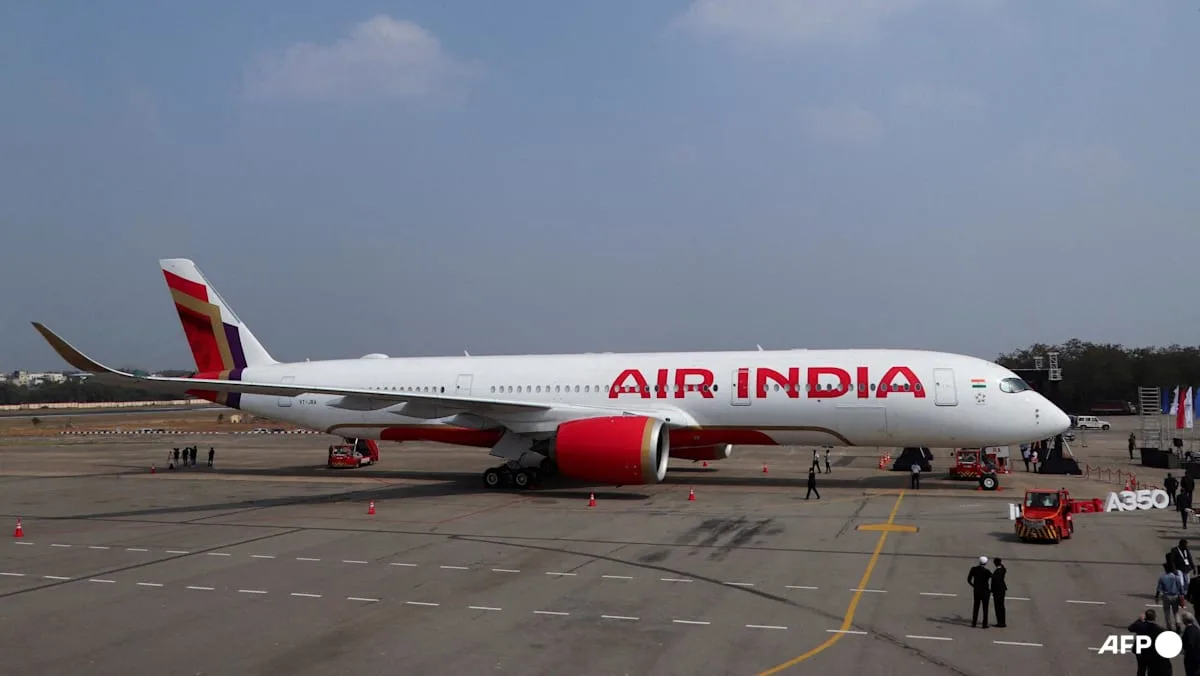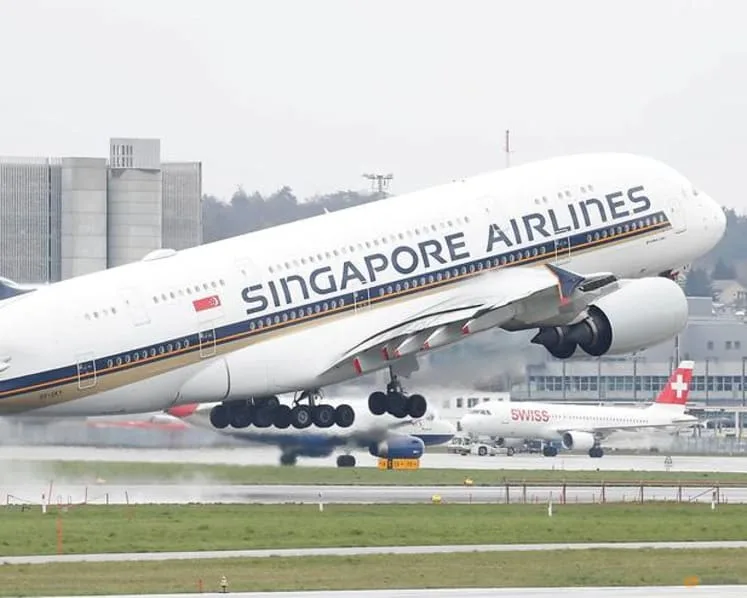
Air India has asked its owners, Tata Sons and Singapore Airlines, for about $1.5 billion in fresh equity to support its ongoing financial and operational revamp, sources said today [1, 2, 3, 4, 5]. Singapore Airlines, which holds approximately a 25% stake in the carrier, would be required to contribute its share of the funding for the investment to proceed. An unnamed source noted, "Air India wants the funds immediately, though the infusion is likely to happen in tranches." [1]
The request comes after Air India and its budget unit, Air India Express, posted combined losses of $2.33 billion for the fiscal year ending March 31, 2026 — more than double the prior year’s losses [1, 2, 3, 4, 5]. Tata Sons took control of Air India, formerly state-owned, in 2022 and has been pushing for cost cuts and operational improvements. [1, 2, 3, 4, 5]
As part of efforts to reduce losses, Air India has sought to defer deliveries of hundreds of new jets ordered from Airbus and Boeing [1, 2, 3, 4]. The airline’s turnaround faces persistent challenges including supply-chain disruptions, legacy system overhauls, cultural shifts, and fleet modernization. Tata Sons Chair N Chandrasekaran said, "Air India's turnaround could take up to a decade, citing persistent supply-chain disruptions and the need to overhaul the airline's legacy systems, culture and fleet." [1]
The airline has also been impacted by geopolitical and operational setbacks, including Pakistan’s airspace ban on Indian carriers, disruptions caused by the US-Israeli-Iran conflict, and the aftermath of last year’s crash which killed 260 people [1, 2, 3, 4].
Chandrasekaran is expected to step down as Tata Sons Chair in February 2027 following months of internal disagreements partly related to Air India’s losses [1, 2, 3, 4].
The fresh equity injection is a vital step in Air India’s multi-billion-dollar plan, which includes refurbishing its existing fleet and reducing financial drag. The scale and timing of the funding will be closely watched as the airline works to stabilize operations and return to profitability.