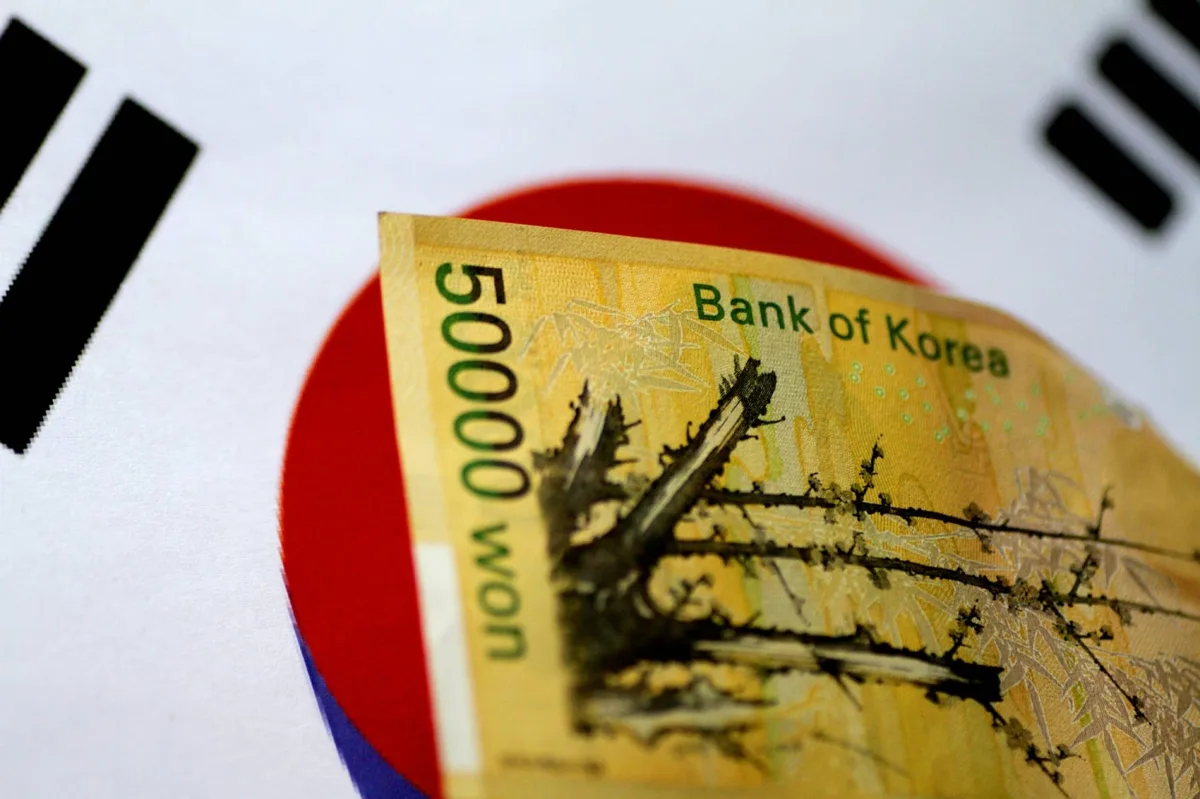
South Korea's won slid to 1,538.3 against the US dollar on June 4, close to its lowest level since 2009 when it hit 1,597.45, prompting the government to pledge action against excessive currency volatility [1, 2]. Finance Minister Koo Yun Cheol said authorities are ``closely monitoring FX market developments with a high degree of vigilance to prevent anxiety from spreading'' and will respond promptly to sharp moves [3].
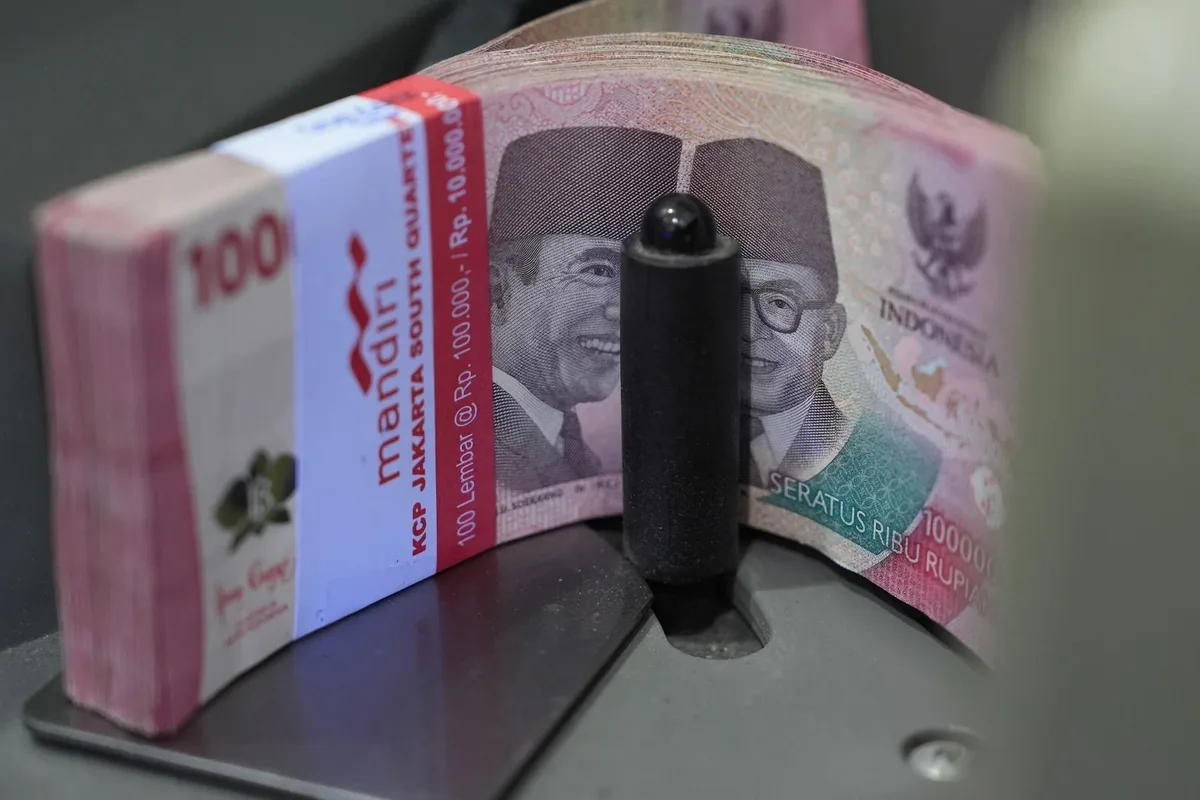
Bank Indonesia also stepped up interventions to support the rupiah, which fell to record lows amid continued pressure from a strong dollar and high oil prices [1, 4]. The Bloomberg Asian currency index fell for a fourth straight day, led by losses in the won and rupiah [1, 4].
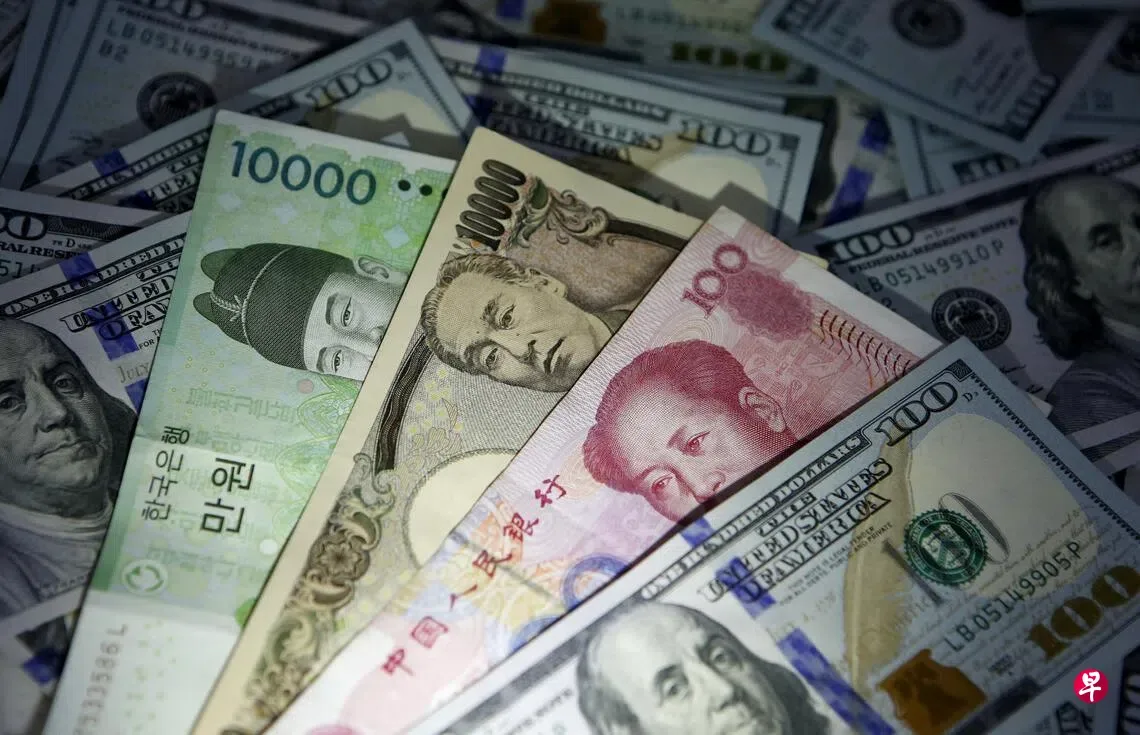
Japan’s yen weakened to levels seen during interventions in late April, prompting the Bank of Japan to signal readiness to act again if needed [1, 4]. The BOJ is expected to consider a 25 basis point rate hike later this month to stabilize the currency and contain inflationary pressures [1, 4].
India announced plans to reduce taxes and remove limits on foreign bond ownership to attract capital as the rupee hovered near historic lows. The Reserve Bank of India holds a net short US dollar position close to $100 billion [1, 4]. The Philippines central bank ordered banks to restrict derivatives trading to legitimate uses to curb speculative offshore currency activity [4].
BNY Mellon senior strategist Wee Khoon Chong said, ``Tough and fast-market conditions mean regional central banks and authorities are on high alert. Regional FX has been pressured by a strong US dollar and elevated oil prices as well as foreign capital outflows'' [4].
Despite currency declines, South Korea's stock market has rallied strongly this year with a 105 percent gain on the KOSPI, fueled by domestic retail investment and policy optimism, not foreign inflows [2]. The won has depreciated 6.29 percent since January [2].
Asian central banks remain focused on stabilizing currencies amid continued external pressures. The Bank of Japan's policy meeting later in June will be closely watched for a potential rate hike [1, 4].