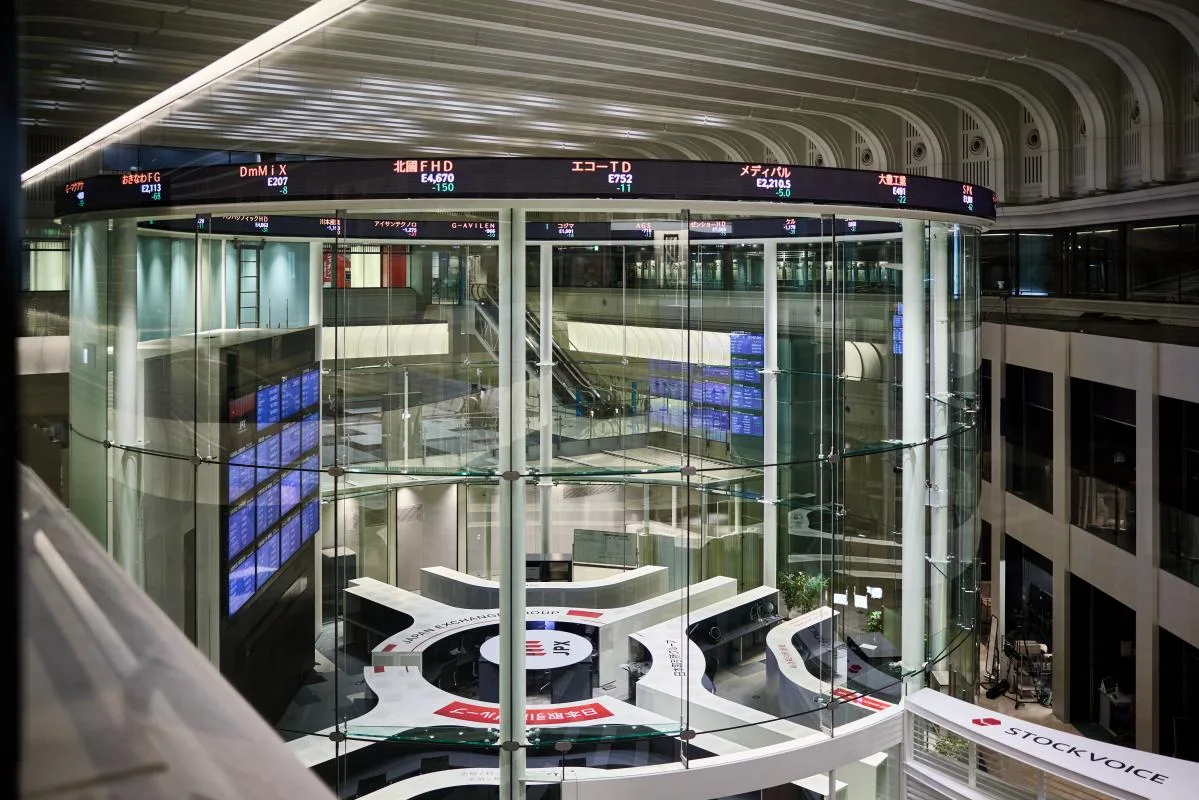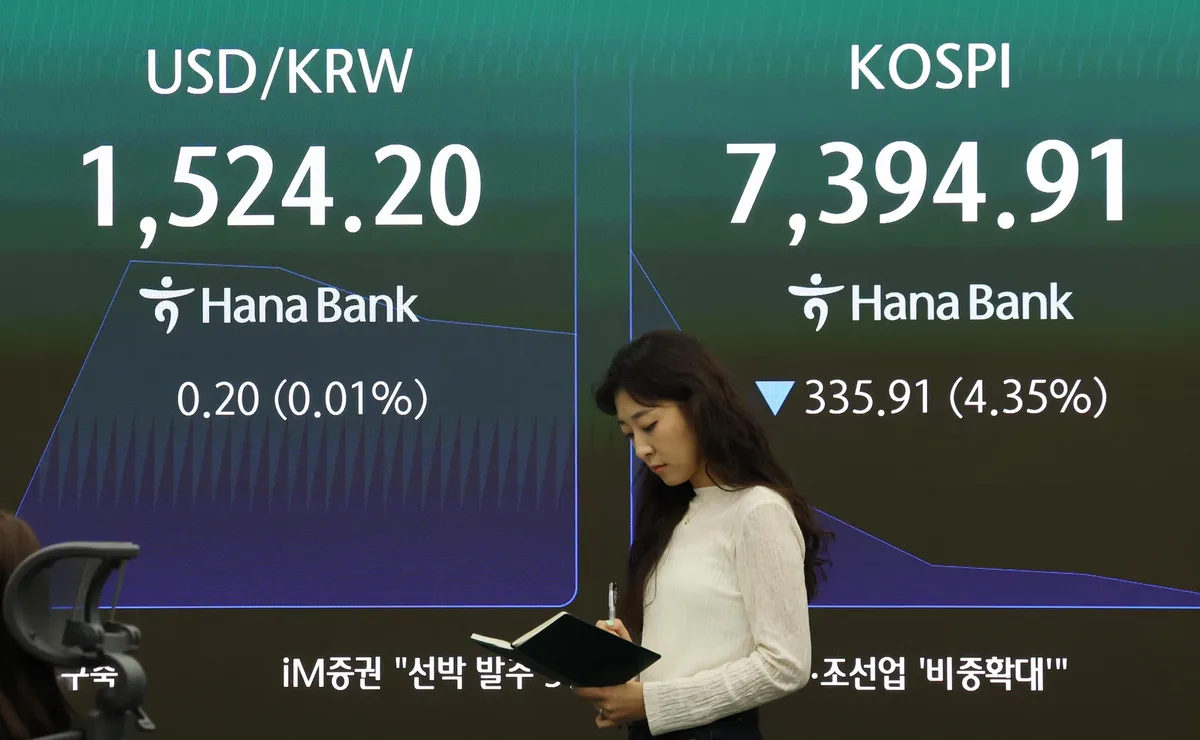
Asian stocks fell on June 10 and 11 as renewed US military strikes on Iran escalated tensions in the Middle East. The US began multiple rounds of "self-defense strikes" against Iran on June 9, following the downing of an American helicopter near Oman, threatening a fragile ceasefire and energy flows through the Strait of Hormuz [1, 2, 3].
The MSCI Asian equities index dropped 0.7% on June 11 amid the strikes and geopolitical uncertainty [3]. Tech stocks, especially within the Nasdaq 100, declined sharply due to profit-taking and a rotation away from the technology giants that had driven a record equity rally earlier this year [1, 2, 3]. The Nasdaq 100 fell 1.1% on June 9 as volatility took hold [1, 2]. "As much as we love to see tech’s leadership, it would be constructive to see this rally broaden out to other sectors," said Bret Kenwell of eToro, noting concerns about the market's dependence on a narrow tech segment [1].
Meanwhile, the S&P 500 showed gains in defensive sectors with real estate up 2.1%, health care rising 1.3%, and utilities gaining 1.1%. At the same time, technology and energy sectors declined [1, 2]. John Cunnison, chief investment officer at Baker Boyer Bank, said, "Exuberance has been building for months, pushing stocks to one record after the next, so anything perceived to be negative for equities... will knock the market off its footing after a historic run" [2].
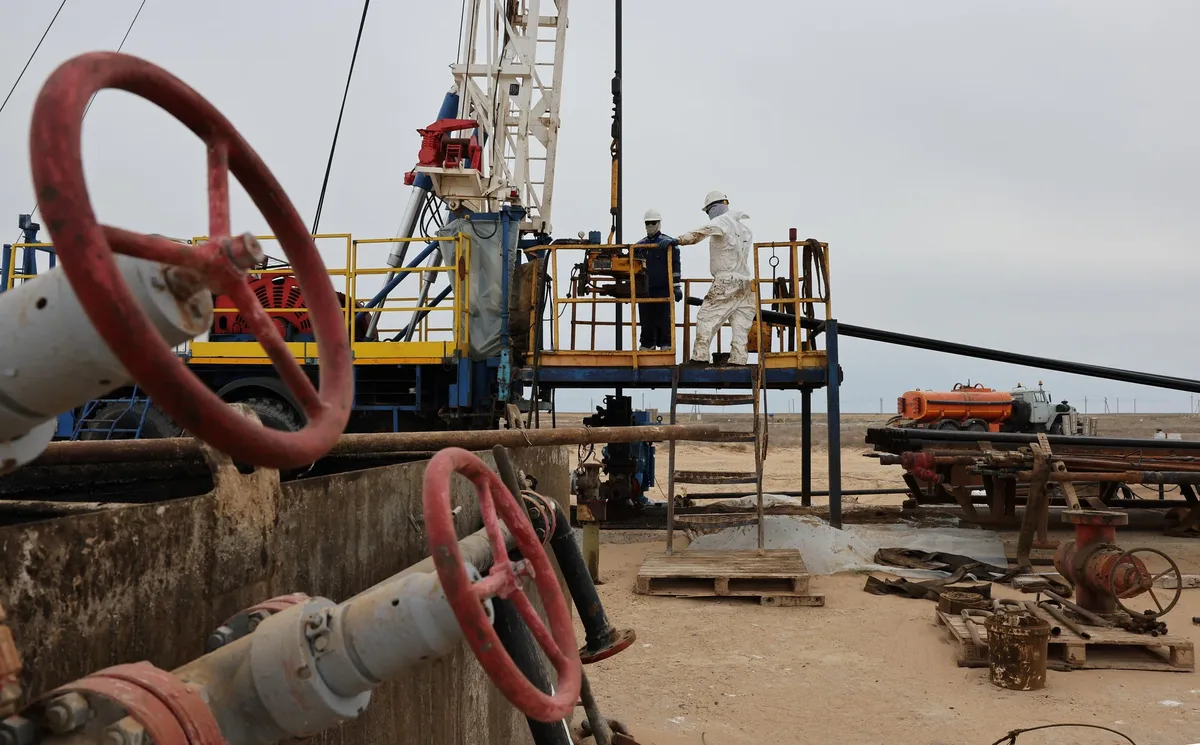
Energy markets reacted strongly to the rising tensions, with West Texas Intermediate crude oil prices increasing from around US$89 per barrel on June 9 to above US$95 per barrel on June 10-11 amid concerns over supply disruptions [1, 2, 3]. Brent crude rose similarly above US$95 per barrel by June 11 [3]. Gold prices saw volatility, dropping about 0.5% on June 9 before climbing nearly 1% on June 11 as investors sought safety amid market uncertainty [2, 3].
Strong US jobs data and softer-than-expected inflation reports released on June 10-11 added complexity to market sentiment by creating uncertainty over future Federal Reserve interest rate policy [1, 2, 3]. Chris Beauchamp of IG said investors remain cautious despite some relief from the inflation figures, describing the market as hesitant to buy dips given recent volatility [3]. Josh Gilbert of eToro noted that investors have gradually grown less shocked by each new headline on the conflict [3].