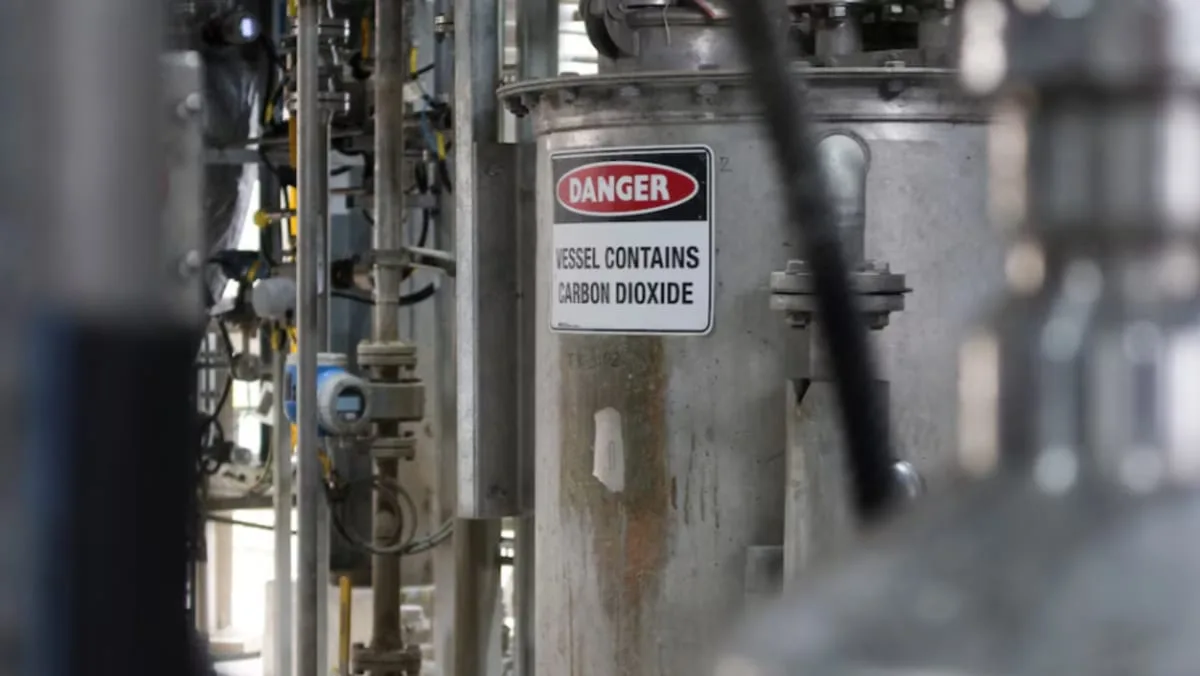
Australia's first carbon refinery opened on June 17 in New South Wales, capturing carbon dioxide from Orica’s ammonia operations on Kooragang Island and converting it into products such as concrete, paper, and glass [1]. The demonstration plant can capture up to 2,500 tonnes of CO2 annually, providing a new method to reduce industrial emissions [1, 2, 3].
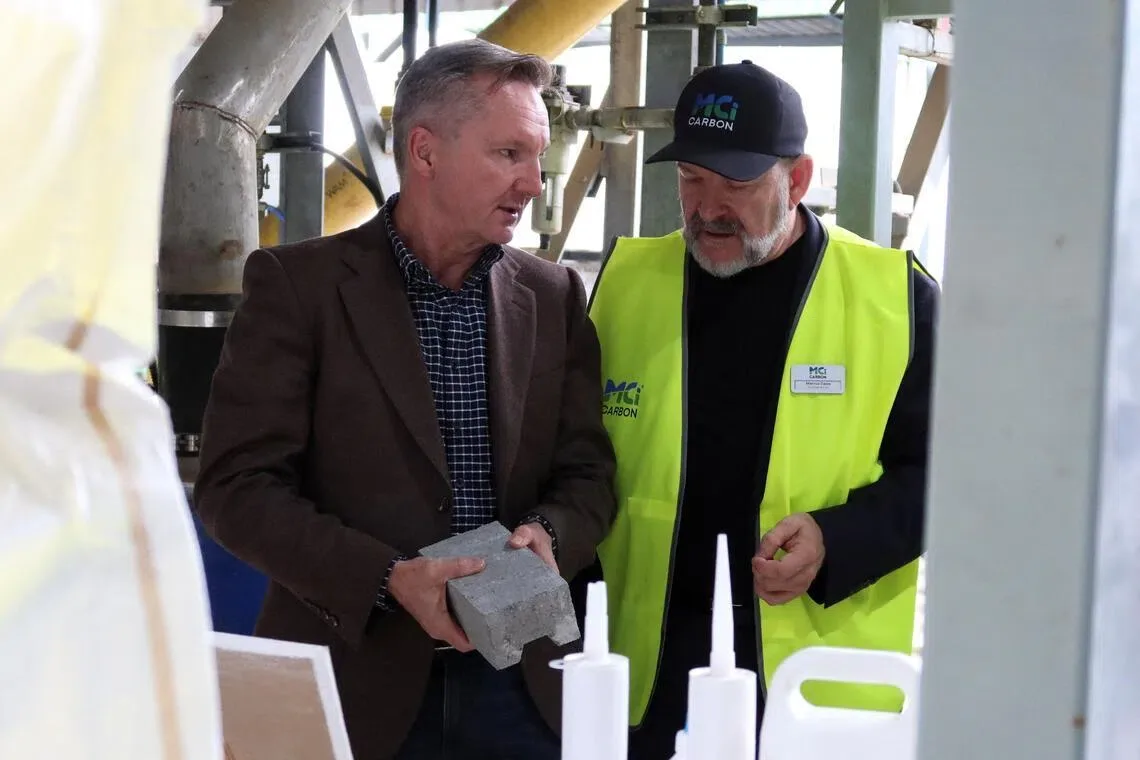
The technology behind the refinery, developed by MCI Carbon over 15 years, uses mineral carbonation—a process that mimics how nature locks atmospheric CO2 into rock [1, 2, 3]. Marcus Dawe, CEO of MCI Carbon, said, "MCI Carbon’s technology is based on what’s called mineral carbonation. This is the Earth’s own natural process for taking CO2 out of the atmosphere and putting it into rock" [1]. Unlike conventional carbon capture and storage that injects CO2 underground, this method creates "carbon-embodied" products that store CO2 in durable materials [1, 3].
Australia produces about 400 million tonnes of CO2 emissions annually, making emissions reduction a critical goal [1, 3]. The government updated its target in 2025 to cut emissions by 62-70% from 2005 levels by 2035 [1, 3]. Energy and climate minister Chris Bowen said the refinery will help emitters "decarbonise, while also making a profit" [1].
MCI Carbon plans a larger commercial-scale carbon refinery in Austria, expected to capture up to 50,000 tonnes of CO2 annually, signaling growth for the technology beyond Australia [1, 3].
The New South Wales facility represents a milestone in industrial CO2 use, turning waste emissions into valuable products and demonstrating a scalable approach to carbon capture and utilization.