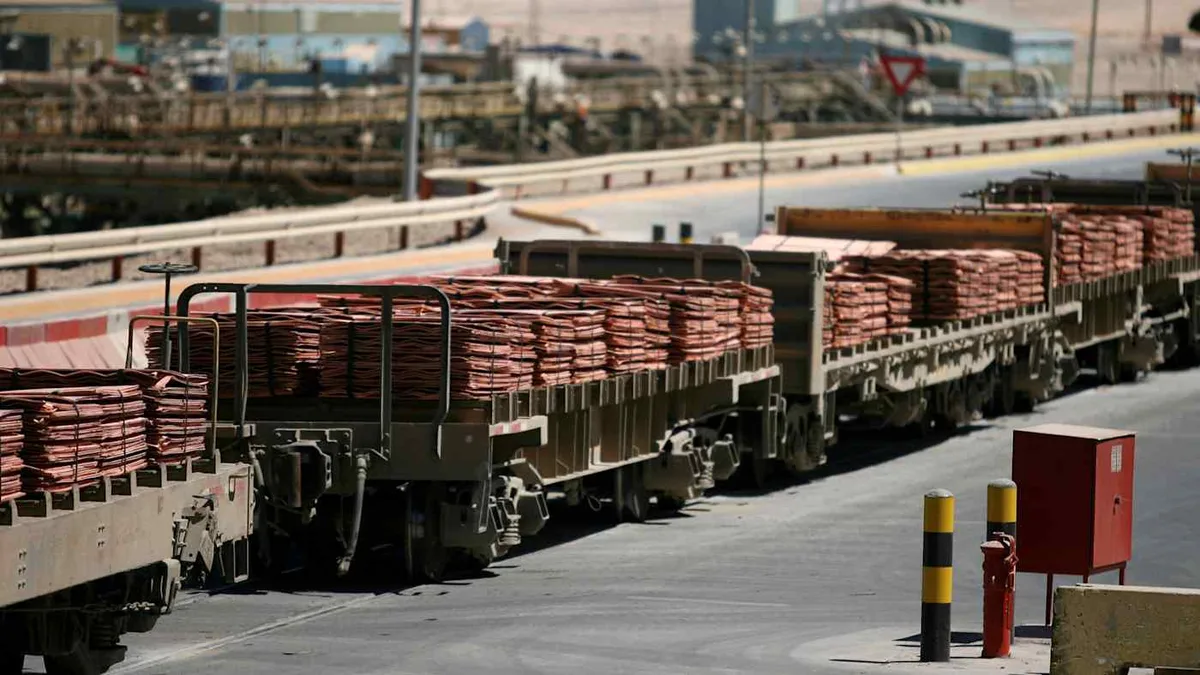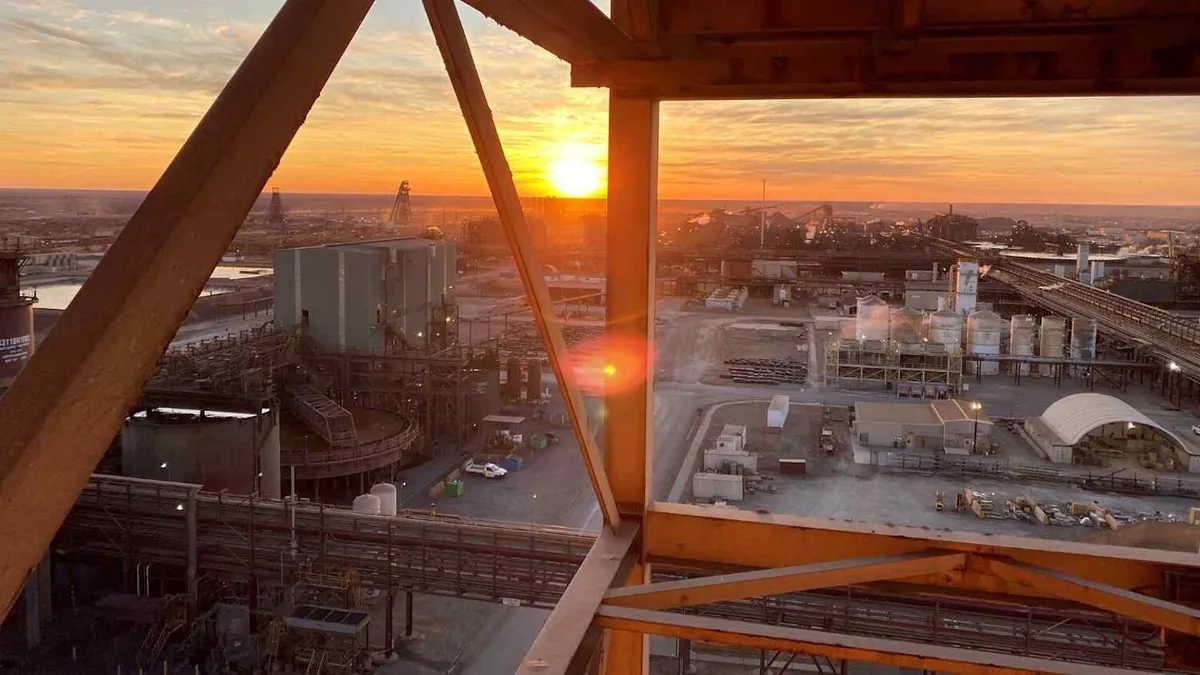
BHP Group announced a full-year underlying attributable profit of USD 13.20 billion for the 2026 financial year ended June 30, marking a 30% increase from the previous year [1, 2, 3, 4]. Copper overtook iron ore as BHP’s top earnings driver, generating USD 18.19 billion in operating earnings, compared to USD 14.53 billion from iron ore over the same period [1, 2, 3].
Copper prices climbed to record highs above USD 14,000 per tonne in 2026, fueled by demand from the buildout of AI data centres and a global shift to cleaner power [1, 2, 3]. BHP CEO Brandon Craig said, "Copper is the engine that is driving BHP‘s growth. Demand for what we mine is building. Copper demand alone is set to grow from about 34 Mtpa today to more than 50 Mtpa by 2050" [2]. He added, "Copper, iron, steelmaking coal and potash are foundational to the way the world is developing. That is why we are moving as fast as we can and bringing these commodities to market" [3].
BHP declared a final dividend of 99 US cents per share, bringing the total full-year dividend to USD 1.72 per share, the highest in four years [1, 2, 3, 4]. Andy Forster, portfolio manager at Argo Investments, commented, "Loved the dividend, a big beat on that. Solid overall, and copper doing all the work" [3].
The company’s Western Australia Iron Ore operations showed steady results, generating USD 14.67 billion in operating earnings, roughly flat from the previous year [1, 4]. BHP CEO Craig noted, "We met or beat guidance across much of our portfolio and achieved industry-leading cost positions. Copper is the engine room that is driving BHP growth. Copper contributed more than half of our underlying Ebitda earnings and generated significant free cash flow" [4].
BHP ended the 2026 financial year with net debt of USD 8.69 billion, below the target range and consensus estimates [1]. Following the results announcement, BHP shares rose about 4% to reach a two-month high of A$64.79 [3, 4].
Looking ahead, BHP plans to increase copper production by up to 40% by 2035, aiming to reach around two million tonnes per year to meet growing global demand [1, 3]. Construction of the Jansen potash project in Saskatchewan is 84% complete and is expected to start production in mid-2027, with an anticipated operational lifespan of 60 years [4].