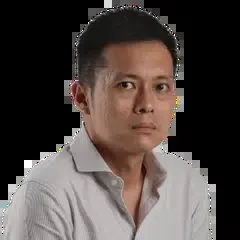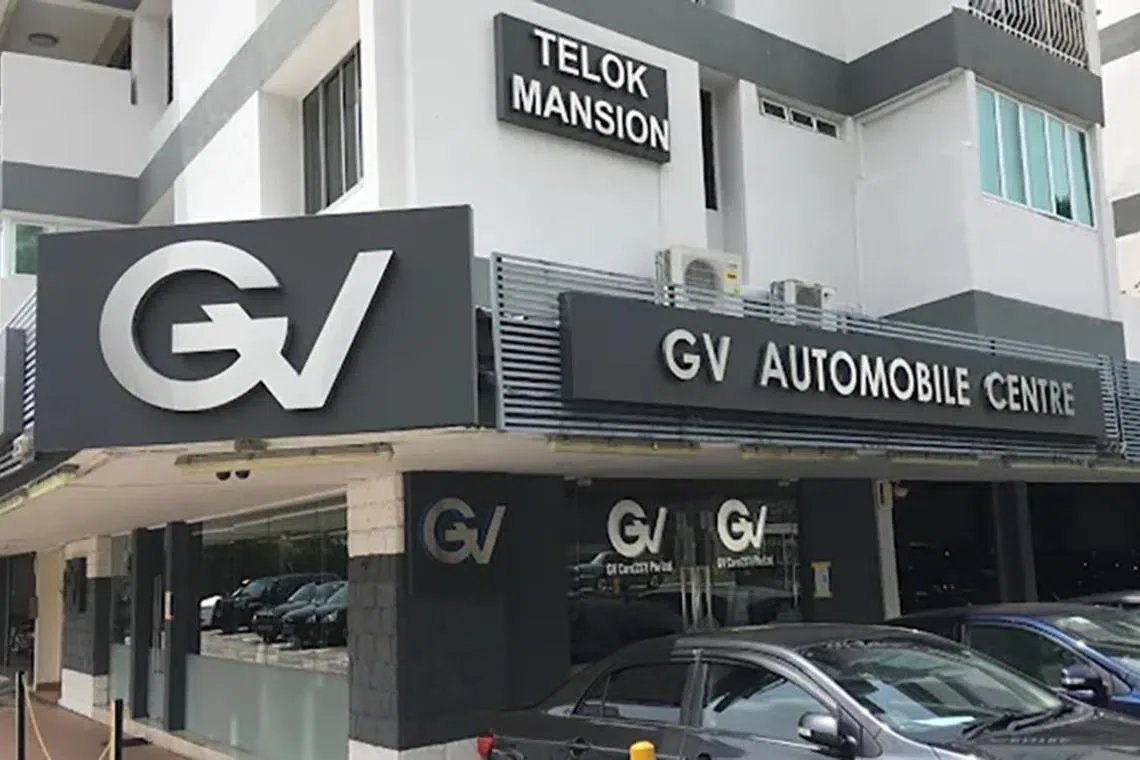
Mr Wang Bingxin, 42, purchased a used Toyota Vellfire from GV Automobile Centre in September 2024 for S$140,800 and took possession on September 13, 2024, with a promise of an imminent legal ownership transfer [1, 2, 3]. Within weeks, GV Automobile Centre entered voluntary liquidation, with a statutory declaration filed on September 30 and a liquidator appointed on October 11, 2024 [1, 2, 3].
On October 14, 2024, Kenso Leasing, the finance company that had funded GV's purchase of the car from another dealer, seized the Toyota Vellfire from Mr Wang [1, 2, 3]. Mr Wang had fully paid GV but alleged that GV acted as Kenso's agent in selling the vehicle. He filed a lawsuit against Kenso Leasing in March 2025 claiming rightful ownership [1, 2, 3].
The court ruled on April 6, 2025, that GV Automobile Centre was not an agent of Kenso Leasing, and that Mr Wang could have verified via Land Transport Authority documents that the registered owner was a different company, undermining his claim to ownership [1, 2, 3]. The legal dispute cost Mr Wang approximately S$100,000 in attorney fees, adding to his financial losses [1, 2, 3].
Used car ownership disputes like this are common in Singapore, where dealer financing arrangements and complex ownership transfer processes create risks for buyers [1, 2, 3]. From his experience, Mr Wang advised others to "never take used car dealers at their word, and to walk away from the deal if they cannot immediately transfer ownership" [1].
The case highlights the importance of verifying ownership status independently before completing purchases. Mr Wang has borne losses exceeding S$240,000, combining the S$140,800 purchase price with his legal expenses [1, 2, 3].