Cambodia aims to resolve its long-running maritime dispute with Thailand by seeking compulsory conciliation under the United Nations Convention on the Law of the Sea (UNCLOS), officials said in late May 2026 [1, 2]. The dispute involves about 27,000 square kilometers in the Gulf of Thailand, an area estimated to hold $300 billion in energy resources, including 311 billion cubic meters (around 11 trillion cubic feet) of natural gas and significant oil reserves [1, 2].
Tensions escalated in 2025 when two bouts of fighting over the maritime boundary killed close to 150 people before a ceasefire was reached in December [1, 3, 2]. Despite a 25-year joint offshore energy exploration agreement between the two countries, Thailand unilaterally terminated the pact in May 2026, citing lack of progress [1, 2]. Cambodia’s Energy Minister Keo Rottanak said the termination of the agreement made the UNCLOS compulsory conciliation process the "only possible avenue to sort out differences in a peaceful and amicable manner" [2].
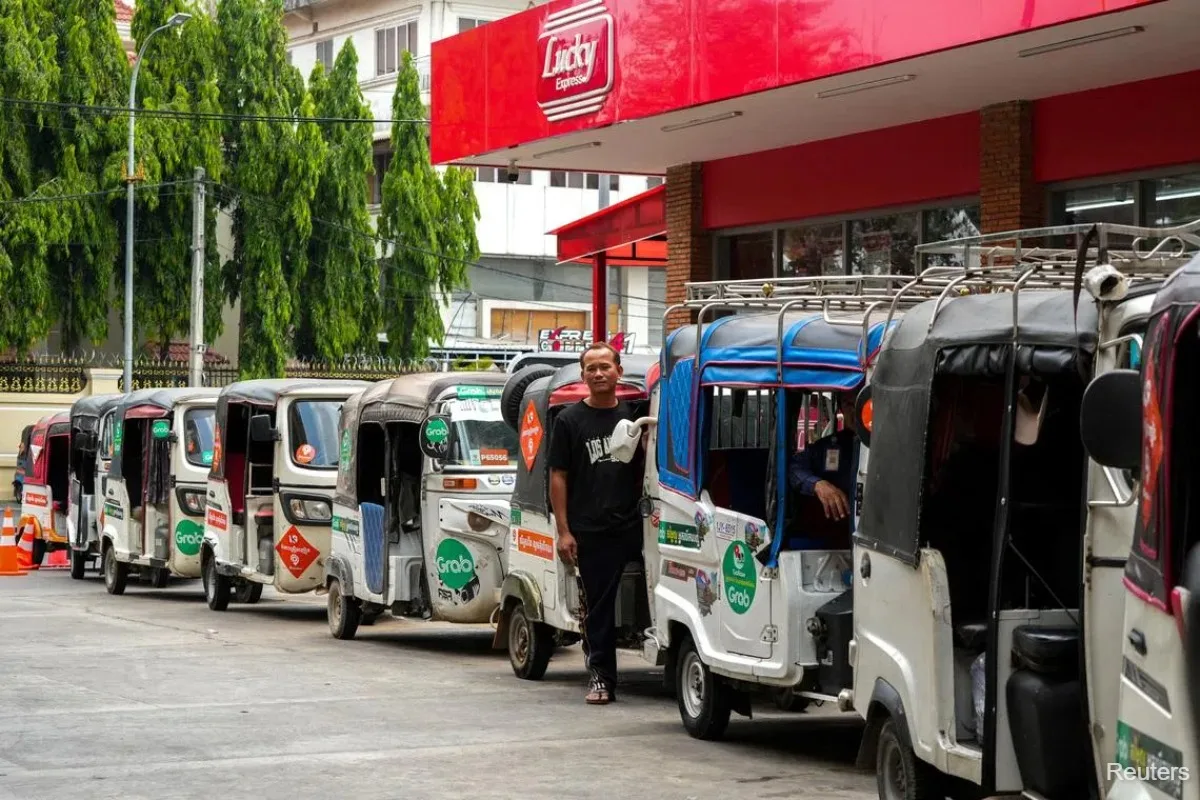
Cambodia currently relies mainly on renewable energy sources like hydropower and solar but wants to industrialize further by developing its fossil fuel reserves [1]. The ongoing global energy crisis has added urgency to settling the dispute. Iran’s control of the Strait of Hormuz, which handles about 20% of global oil supplies, has disrupted supply lines and worsened the crisis to its worst level ever, prompting Cambodia to seek secure energy access [1, 3, 2].
International oil and gas firms such as TotalEnergies have shown interest in exploring the offshore blocks if the two nations can resolve their maritime disagreements [1, 3, 2]. Cambodia plans to initiate talks with Thailand on the UNCLOS conciliation mechanism to move forward with access and development of the resources [1, 2].
Minister Rottanak commented, "Before the crisis, perhaps all nations could take energy security a bit more lightly. But the ongoing crisis, especially the pressure from the Strait of Hormuz, has only brought energy security of any nation into sharper focus" [1].
Cambodia’s immediate next step is to formally start discussions with Thailand on the compulsory conciliation process under UNCLOS to seek a peaceful resolution and unlock offshore energy development potential [1, 2].