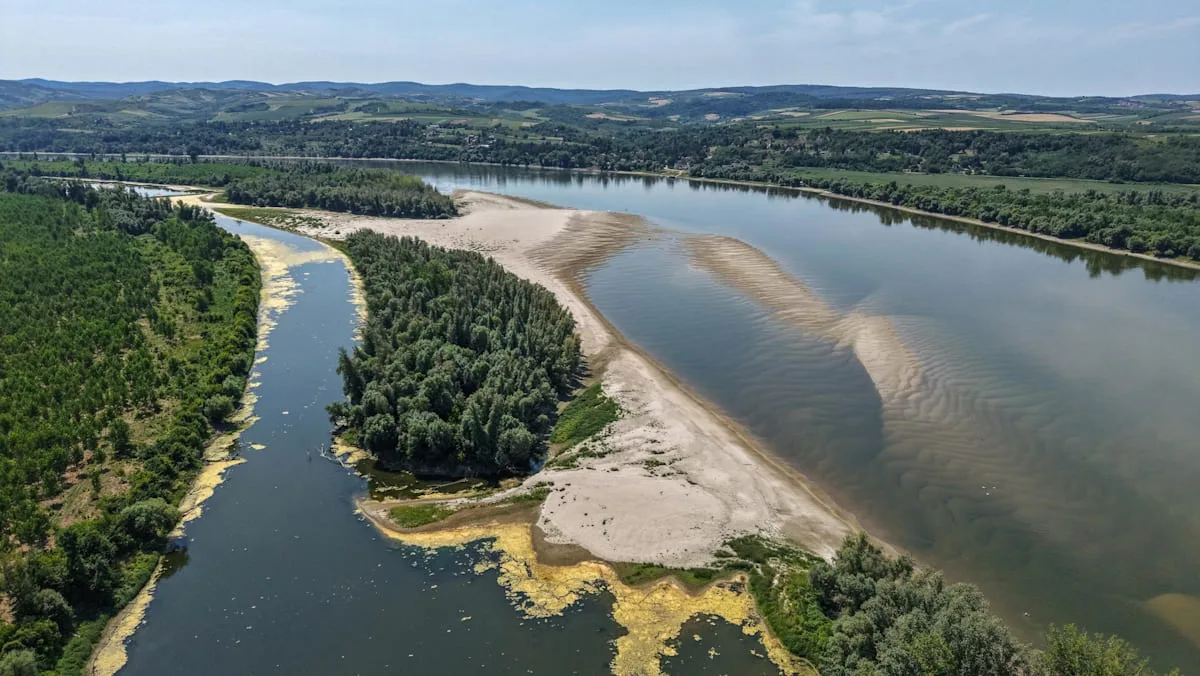
Water levels of the Danube River in Romania fell to their lowest point since 1996 during the weekend of July 18-19, 2026 [1, 2, 3]. On Sunday, July 19, the flow measured at the Romanian entry point was 1,700 cubic metres per second, well below the July average of about 4,700 cubic metres per second [1, 2, 3].
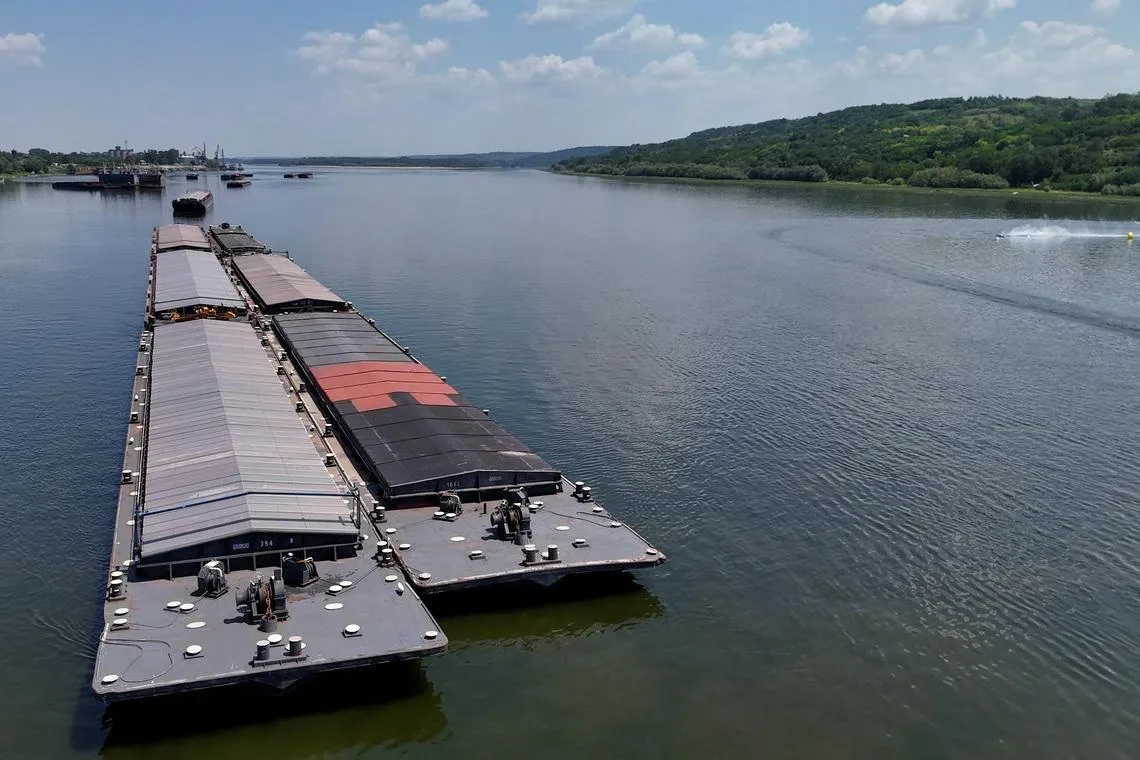
This sharp decline has led to restrictions on water use for irrigation among farmers in southeastern Romania, impacting agriculture in the region [1, 2, 3]. Shipping and tourism along the riverbanks have also been disrupted. Ferry services have been suspended, and numerous grain barges remain idled due to insufficient water depth [1, 2, 3].
In response to the low levels, water reservoir management was adjusted to ensure minimum flow needed to cool Nuclearelectrica's two nuclear reactors located along the Danube [1, 2, 3].
The drought and heatwaves that gripped much of Europe in 2026 contributed significantly to this drop. On July 20, the average peak temperature across Western Europe was forecast to reach 26.2°C, which is 2.7°C above the normal high for that date [1, 2]. The prolonged dry conditions have reduced inflows into the Danube.
Starting from July 20, heavy rains across several Romanian counties are expected to gradually increase water levels in the Danube [1, 2, 3]. These rains offer some relief but river levels remain a concern for the near term. Authorities continue to monitor conditions closely as farming and shipping face ongoing challenges.