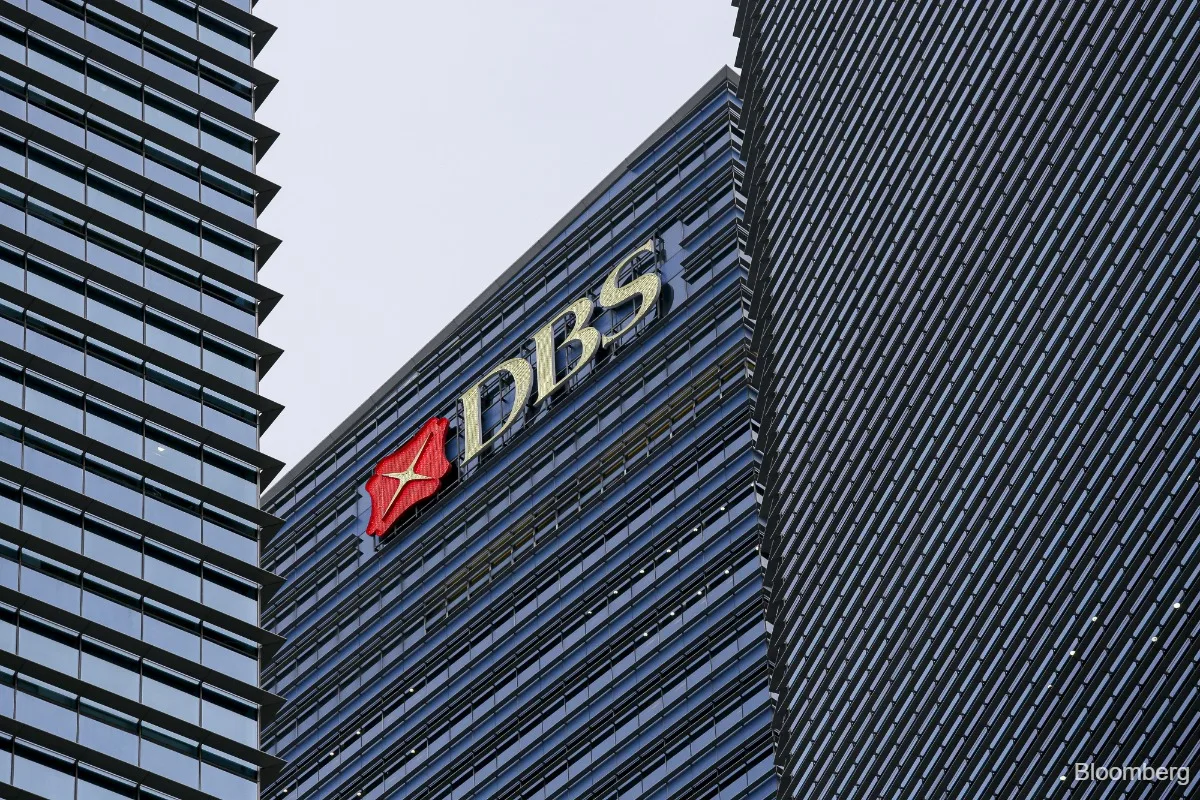
DBS officially completed a significant risk transfer (SRT) transaction referencing a $1 billion portfolio of corporate loans on June 30, 2026, making it the first such deal by a Singapore bank [1, 2, 3]. The SRT allows DBS to transfer part of the credit risk on these loans to third-party investors, while retaining ownership and servicing of the underlying loans [1, 2, 3]. Investors assume a share of the credit risk and receive a premium generally higher than similarly rated bonds [1, 2, 3].
By transferring credit risk without selling the loans, the bank reduces its regulatory capital requirements and frees up capital that can be redeployed to new lending and growth opportunities [1, 2, 3]. DBS declined to identify the involved third-party investors [1, 3].
As of March 31, 2026, DBS’ Common Equity Tier 1 (CET1) capital ratio stood at 16.9%, down from 17.4% a year earlier but still well above regulatory minimums [1, 3]. On a fully phased-in basis, the CET1 ratio was 14.8%, down from 15.2% a year before [1, 3].
Philip Fernandez, DBS’ group corporate treasurer, said the transaction "strengthens our ability to maintain strong capital and balance sheet discipline and prudently capture opportunities as we scale our franchise" [1].
Such SRT deals have gained popularity among banks as a way to free up capital without selling loans or issuing new equity, enabling support for lending, acquisitions, and shareholder payouts [2]. Last year, Sumitomo Mitsui Banking Corp’s Asia Pacific division closed a larger $3.2 billion synthetic risk transfer transaction [2].
The completion of this SRT signals DBS’ effort to enhance capital efficiency and support growth. The bank’s capital ratios and future lending capacity are expected to be closely watched in upcoming quarterly results.