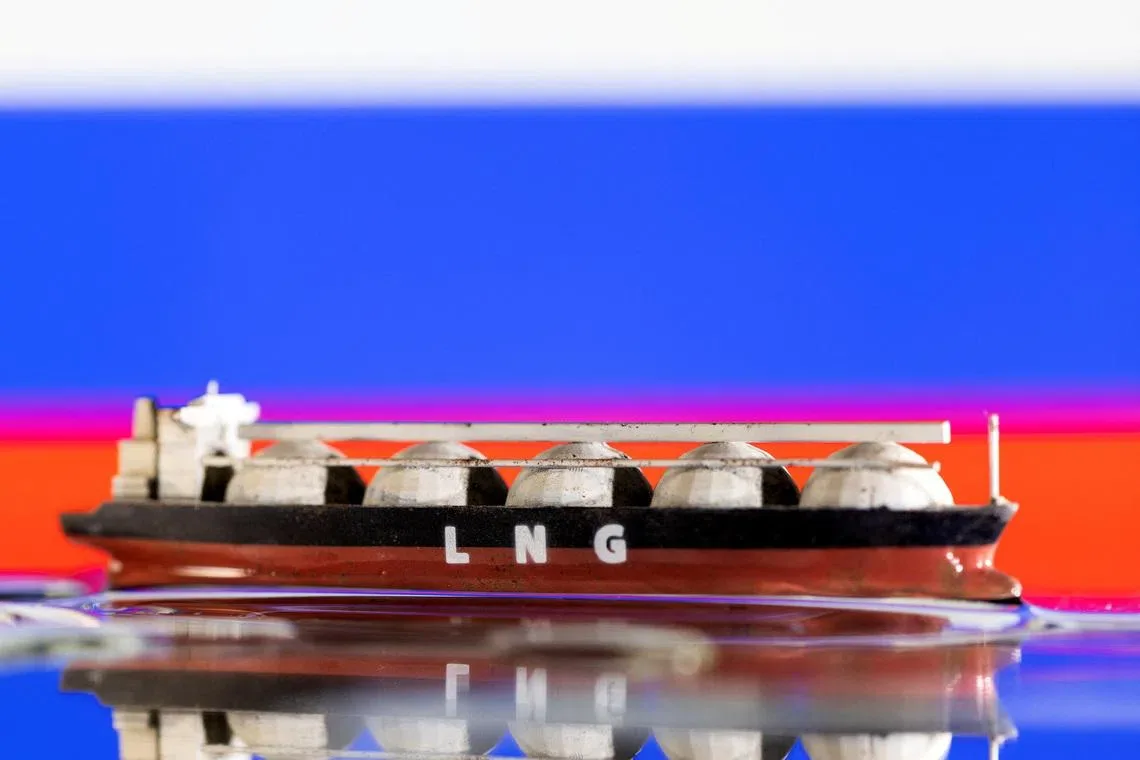
The European Union imported 6.9 billion cubic meters of liquefied natural gas (LNG) from Russia in the first quarter of 2026, marking a 16% increase compared to the same period in 2025 and reaching its highest level since 2022 [1]. Russia remains the EU's second-largest LNG supplier, accounting for about 14% of total LNG imports to the bloc [1].
While pipeline gas imports from Russia have largely ceased amid the conflict over Ukraine, LNG shipments continue to arrive via tanker, primarily to France, Spain, and Belgium [1]. EU imports of LNG from the United States have surged as well, more than tripling between 2021 and 2025, with a 27% jump in Q1 2026 alone [1].
The EU made a firm commitment to end all imports of Russian oil and gas by the end of 2027 in response to Russia's invasion of Ukraine in February 2022 [1, 2]. Analysts warn, however, that Europe's energy diversification strategy has not succeeded as intended. Ana Maria Jaller-Makarewicz of IEEFA said, "Europe’s shift from pipeline gas to LNG was meant to provide security of supply and diversification. Yet disruptions caused by the war in the Middle East and an overreliance on US LNG show that Europe’s plan has failed on both counts" [1].
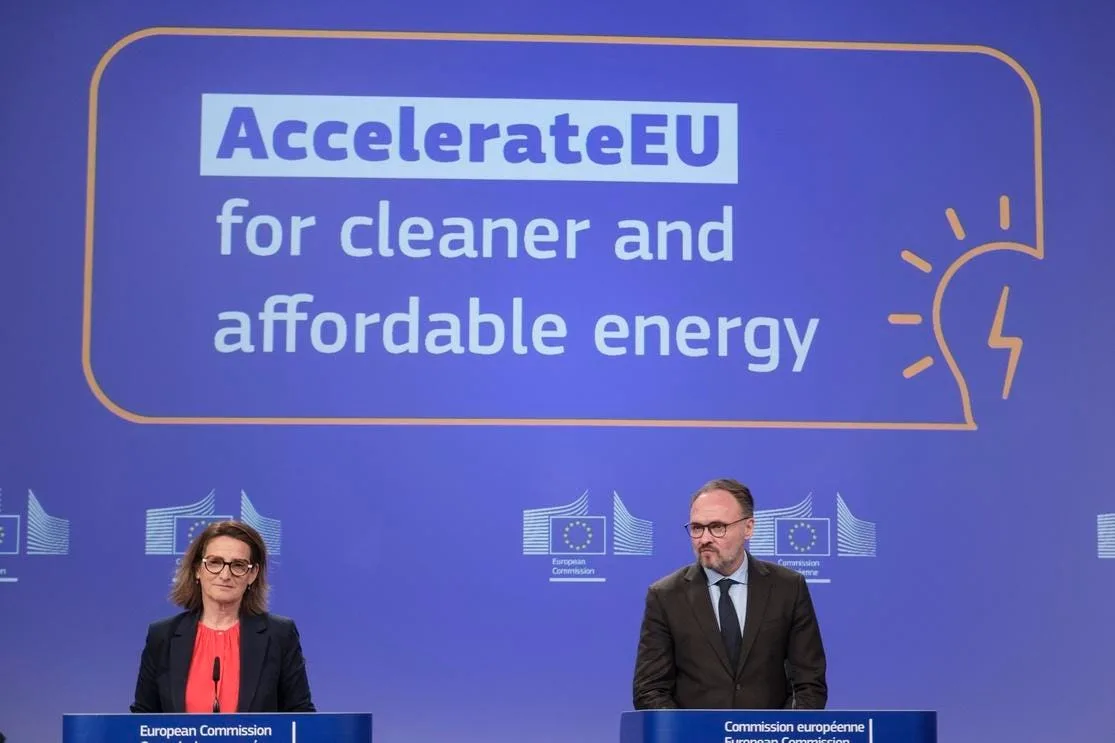
In addition to the Ukraine war, the EU faces energy shocks from the war in Iran, which began on February 28, 2026, and led to the closure of the Strait of Hormuz, disrupting global fuel supplies and driving up prices [2]. To respond, the European Commission announced the AccelerateEU program in April 2026. Commission President Ursula von der Leyen said, "Europe must accelerate the shift to homegrown, clean energies. This will give us energy independence and security, and mean [Europe is] better able to weather geopolitical storms" [2]. Energy Commissioner Dan Jørgensen added, "With AccelerateEU, we support our Member States in providing immediate relief to those struggling the most in our society, while doubling down on the clean transition and electrification. This is the only lasting way to guarantee stable, secure, clean, and affordable energy supplies to all Europeans" [2].
Research published in May 2026 by IEEFA highlighted that EU imports of Russian LNG remain at their highest levels since the 2022 invasion began [1]. Despite the pledge to end Russian gas imports by 2027, current trends underscore the EU’s ongoing reliance on Russian LNG amid supply challenges.
The next key deadline is the EU’s target to fully halt Russian gas and oil imports by the end of 2027 as it seeks to accelerate renewable energy adoption and reduce geopolitical risks [1, 2].