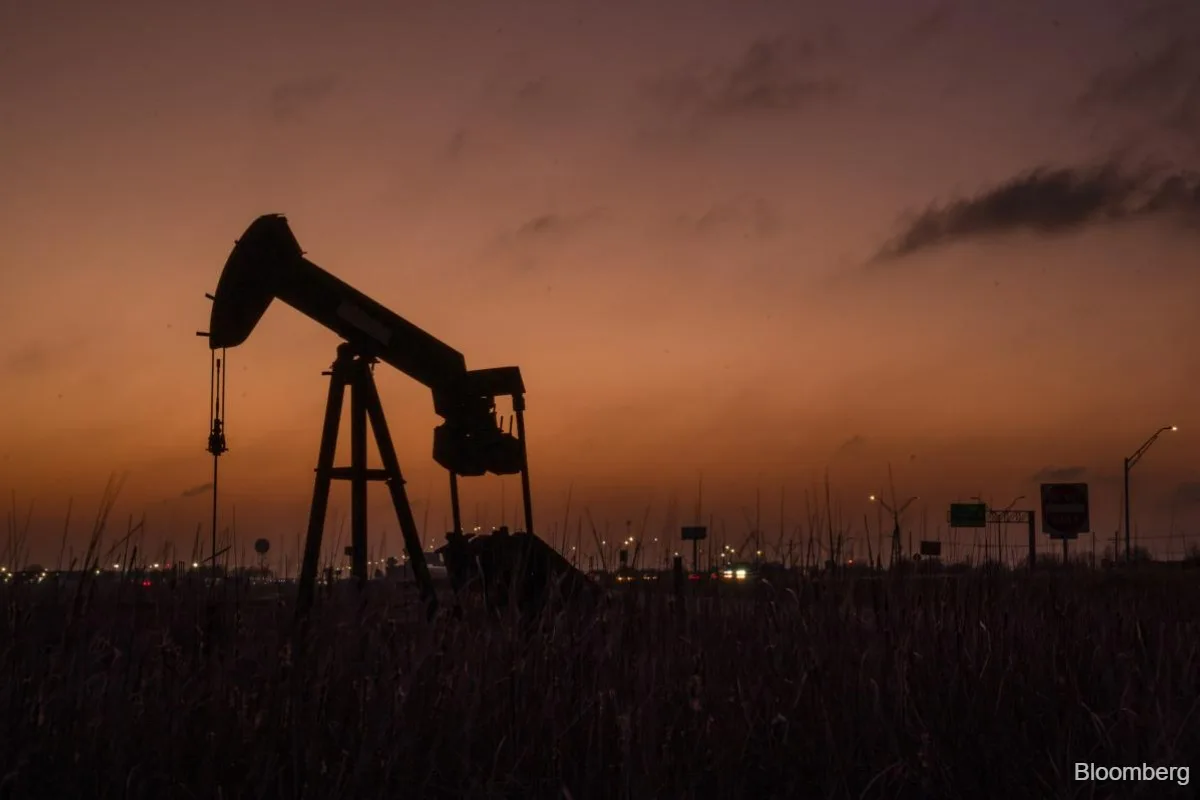
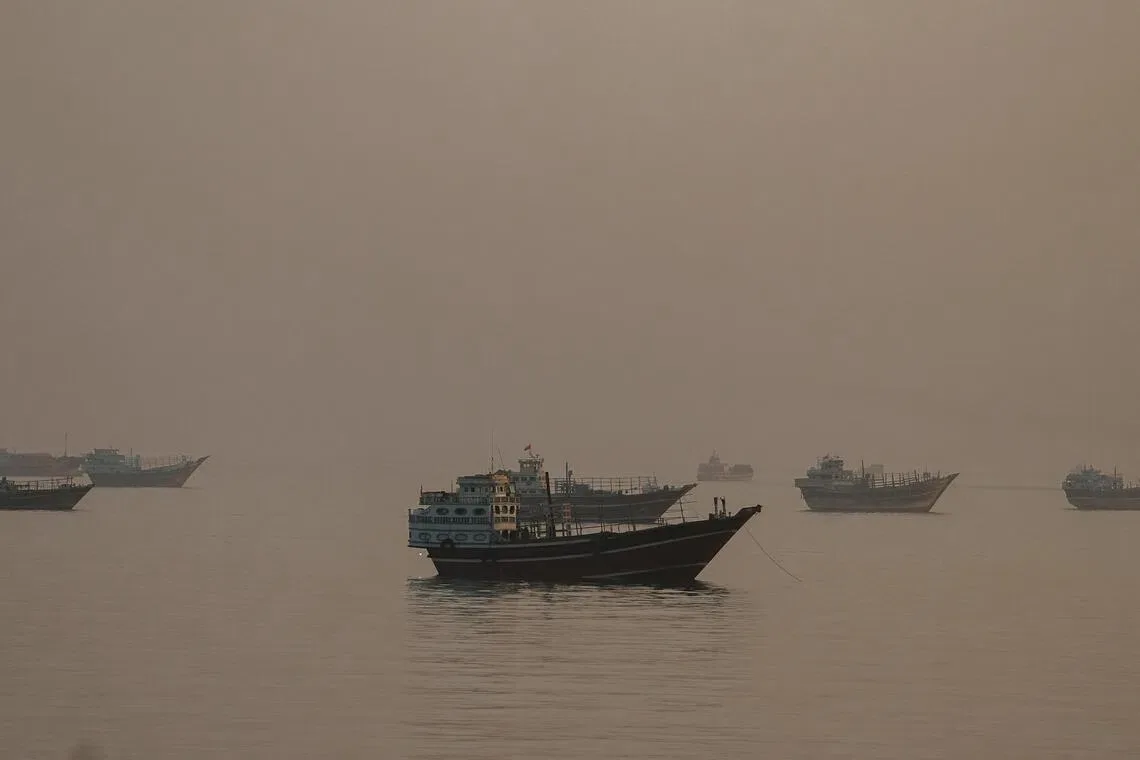
An explosion occurred near the single-buoy mooring (SBM) berths 1 and 2 at Oman’s Mina al Fahal oil terminal on June 5, prompting reports of suspended oil loading operations [1, 2, 3, 4]. The exact timing of the blast remains unclear, but it is suspected to have been caused by a drone attack [1, 2, 3, 4]. Several supertankers were observed anchored off Mina al Fahal on the same day, suggesting delays in oil shipments [1, 2].
However, Petroleum Development Oman (PDO), the state energy firm, denied that crude loading was halted. PDO said oil loading operations at Mina al Fahal continue normally and dismissed reports of disruptions [5]. Omani officials have not confirmed the explosion as an attack or identified any group responsible [5].
The incident follows a report from Iranian state media on June 3 claiming Tehran targeted a US military ship in the Gulf of Oman. The US Central Command has denied the attack [1, 2]. While the recent explosion at Mina al Fahal has raised concerns, there is no official verification linking it to the earlier Gulf incident.
The authorities have not provided further details about the explosion’s cause or any damage sustained at the terminal. Oil importers and tanker operators are monitoring the situation closely given Mina al Fahal’s critical role in regional oil exports.
Officials have yet to issue a formal statement on potential recovery steps or timelines for full operational assessment. Meanwhile, the conflicting reports from on-the-ground sources and PDO highlight uncertainty about the terminal’s current status.