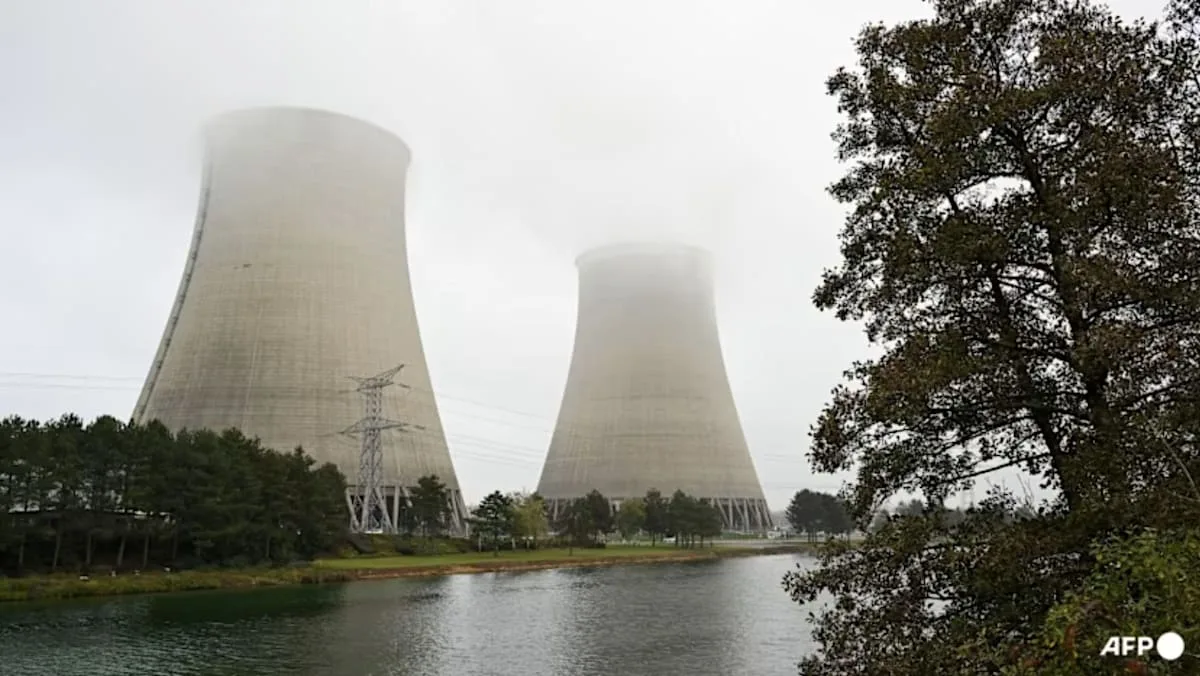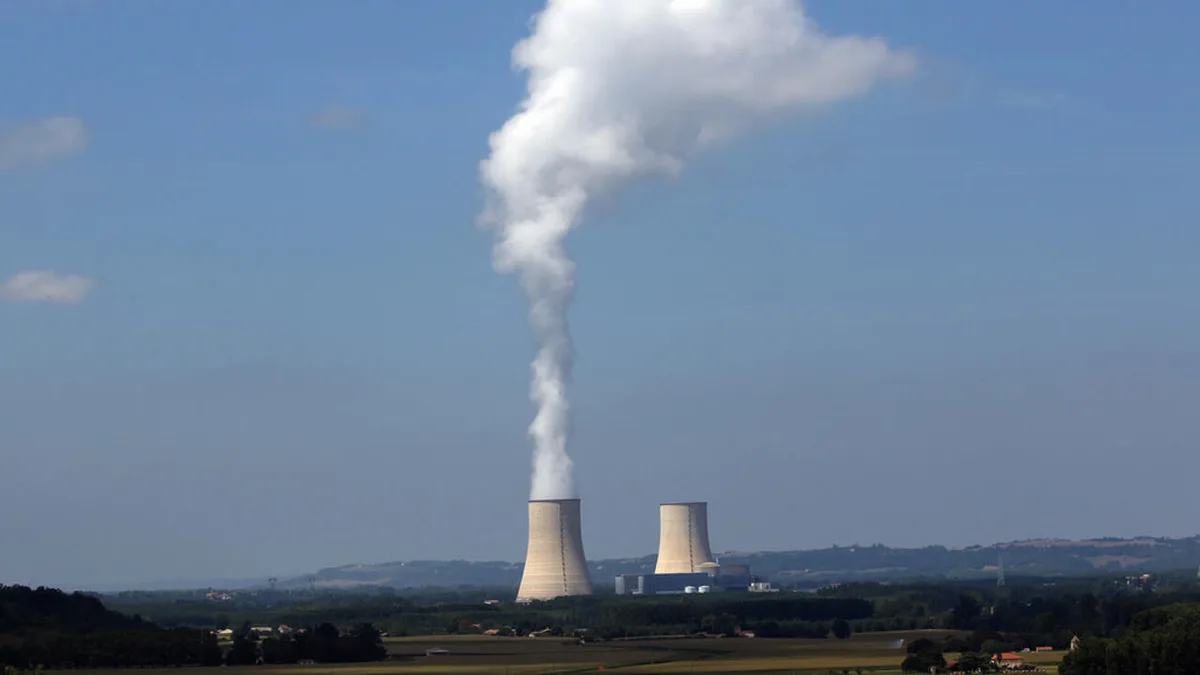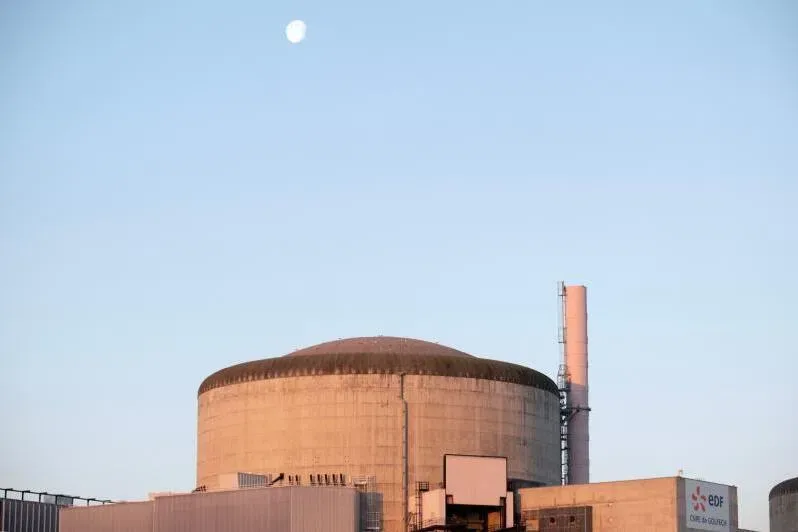
EDF, France's main energy provider, temporarily shut down three nuclear reactors and reduced power output at eight others due to a severe heatwave affecting the country [1, 2, 3]. The affected reactors are located at the Golfech, Bugey, and Chooz nuclear plants, situated respectively on the banks of the Garonne, Rhone, and Meuse rivers [1, 2, 3]. EDF said the shutdowns were necessary under environmental regulations that limit thermal pollution of river water used to cool the reactors. An EDF spokesperson stated, "Due to the weather conditions and to comply with regulations on (cooling water) discharges, and thus to protect the environment," the plants had to stop or reduce operations [2].
On July 12, more than 25 million people in France were under the highest heat alert, with temperatures climbing to 41 degrees Celsius in some areas [1, 2, 3]. The heatwave has forced early closures of tourist sites, led to event cancellations, shortened a stage of the Tour de France, and contributed to increased wildfires and drowning deaths [1, 2, 3].
The French economy ministry granted a temperature limit exemption around the Bugey plant until July 20 to maintain power grid security as the heatwave persists [1, 2]. This marks the second time in recent weeks that EDF has halted nuclear reactors due to extreme heat, following a record-breaking heatwave in June that also caused shutdowns [1, 2, 3]. Since May, France has endured three heatwaves, resulting in excess deaths and exposing vulnerabilities in infrastructure linked to climate change [1, 2, 3].
EDF’s actions aim to prevent river temperatures from rising excessively due to discharged cooling water, which could harm ecosystems. The shutdowns and reduced outputs are precautionary and temporary measures taken during the ongoing heatwave.
The current temperature limit exemption for Bugey expires on July 20, when regulators will reassess conditions amid continued high temperatures and river water levels.