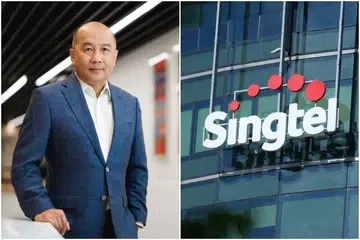
Fresh graduates in Singapore are being hired for roles that require the equivalent of at least two years of work experience due to artificial intelligence automating many entry-level tasks. Singtel Singapore CEO Ng Tian Chong said, "Now when we’re hiring fresh graduates, the jobs that they’re taking on is the equivalent of someone with maybe two years of work experience or more when they’re coming in" [1].
The shift is largely driven by AI agents taking over certain entry-level functions through workflow redesign. National University of Singapore President Lily Kong noted, "The first two years are going to be taken over by agentic AI" [2]. This means universities must prepare students for roles beyond initial basic tasks, effectively the "third-year job" [1, 2].
Singapore Management University started issuing a co-curricular transcript in 2025 that lists students’ cultivated skills and qualities to help highlight capabilities beyond academics [1]. Employers are advised to consider not only candidates’ relevant experience but also the skills they have acquired, rather than simply looking at sequential work histories [1]. Soft skills such as leadership, communication, adaptability, and attitude toward learning have become key differentiators in hiring decisions [1].
Ng advised undergraduates to pursue thoughtful internships and work-study programs to add value when entering the workforce [2]. Acting Transport Minister Jeffrey Siow cited AI’s role in improving productivity for air traffic controllers amid plans to expand Changi Airport’s Terminal 5 capacity by 50 percent. He said, "When we do Terminal 5, we should expand our airport capacity by another 50 per cent, (but) it’s not going to be possible for us to have another 50 per cent growth in our air traffic controller workforce. This is where AI use becomes needed" [2].
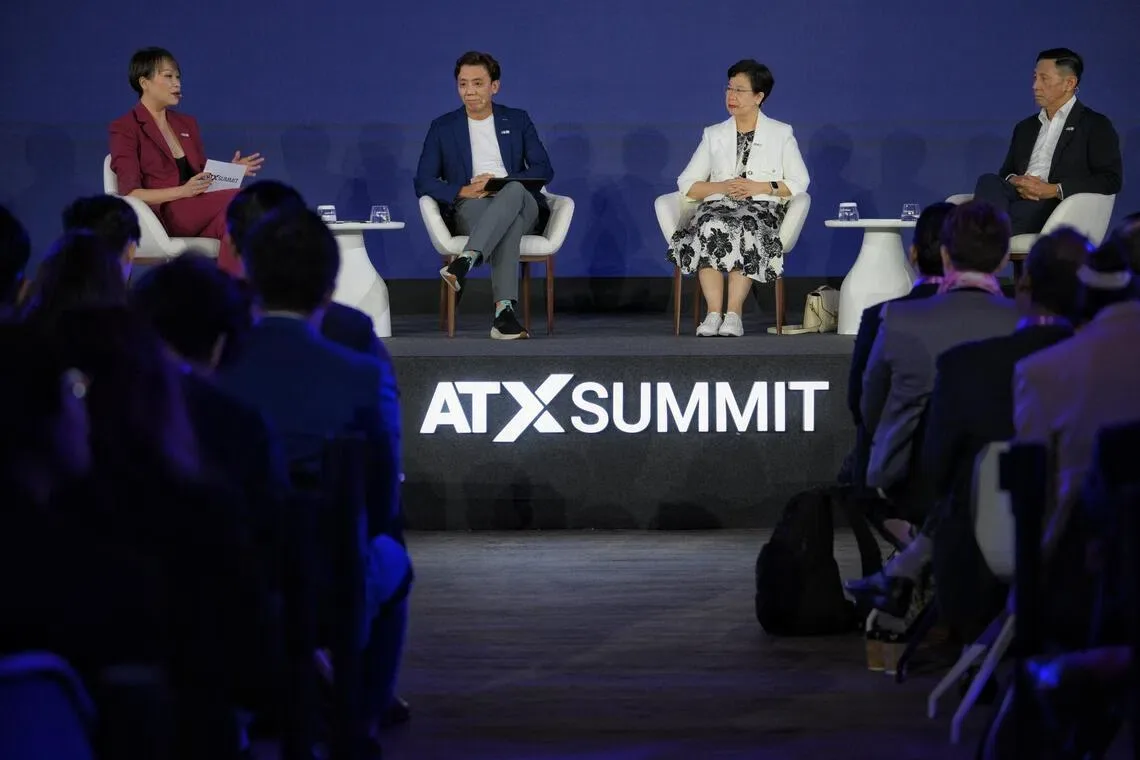
The panel discussion "Future of Work: Jobs and Skills in an AI-Powered World" was held on May 21, 2026, at the Asia Tech x Summit in Singapore, where these insights were shared [1, 2].