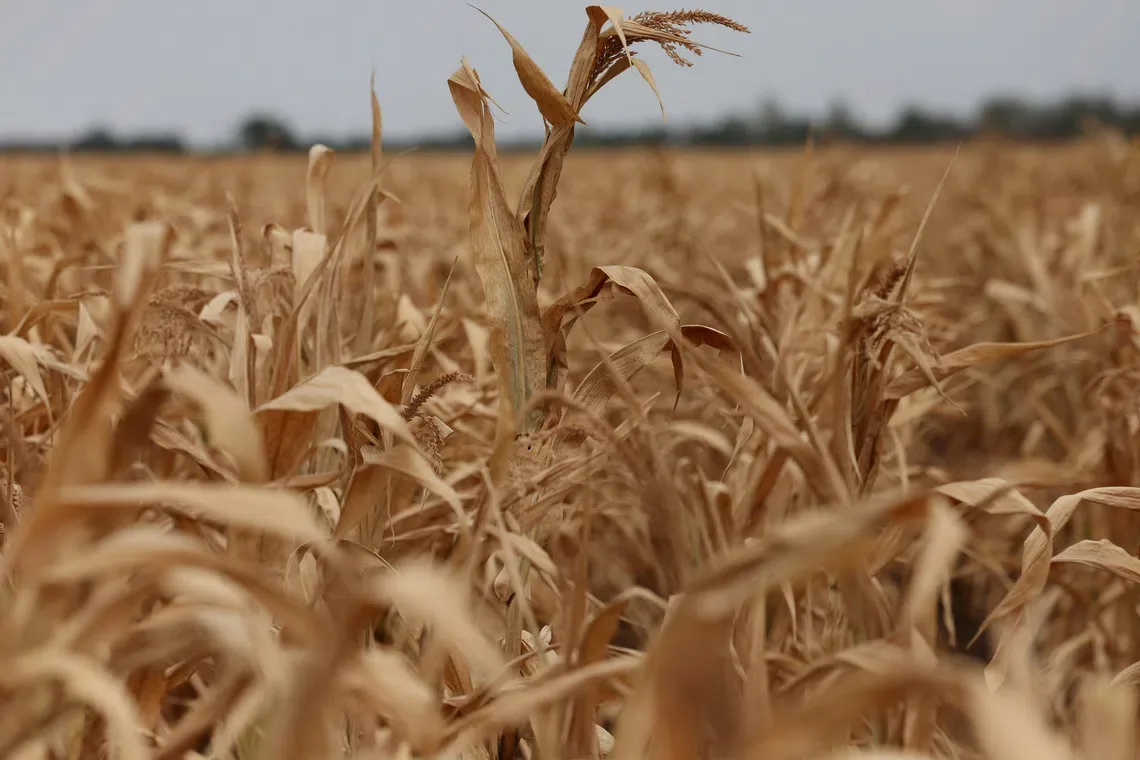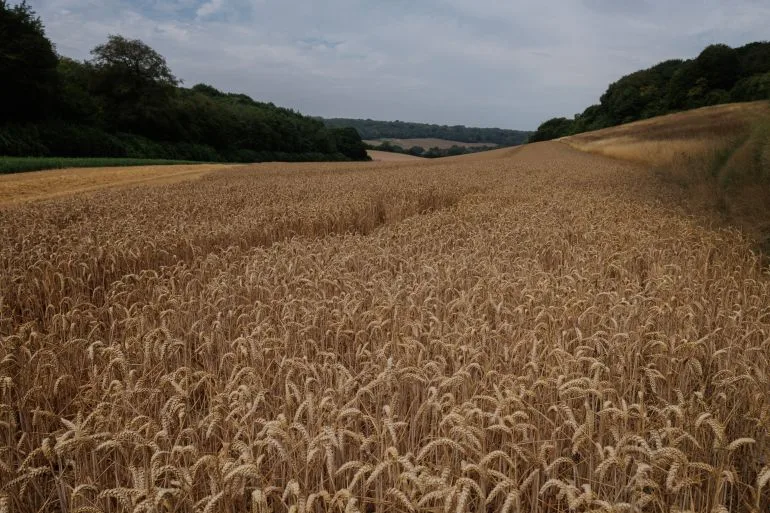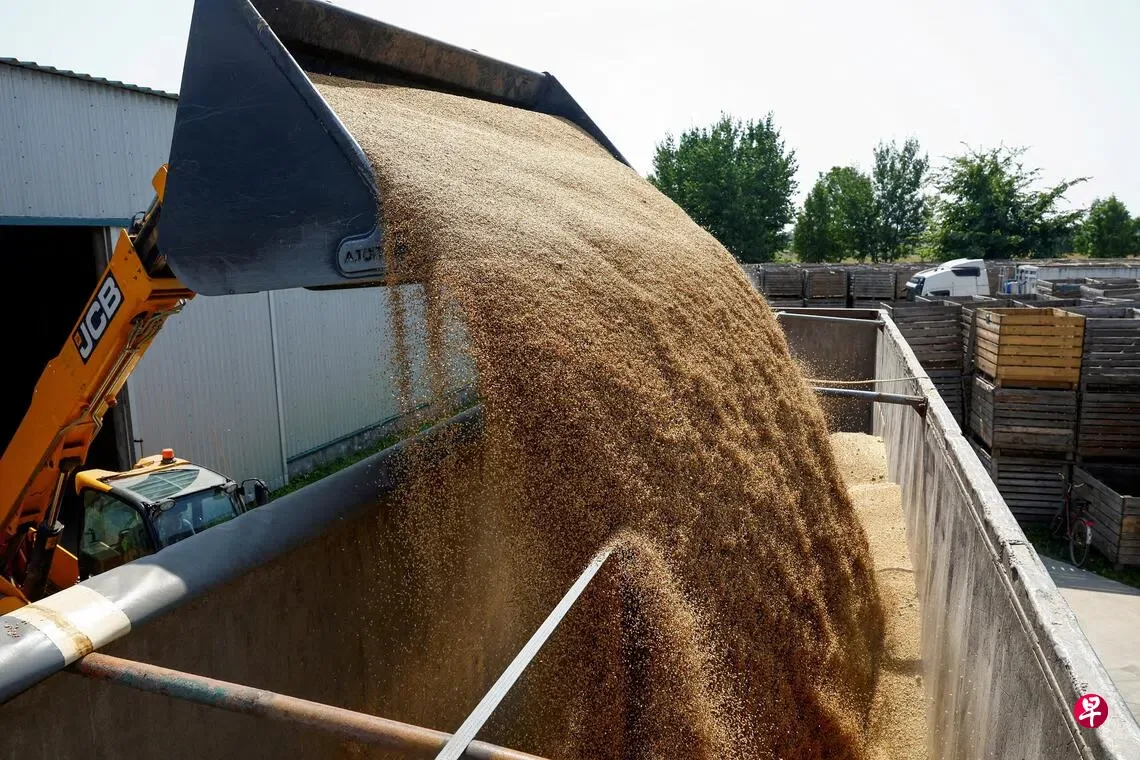
The Food and Agriculture Organization (FAO) said global food prices averaged 133.3 points on its Food Price Index in August 2026, the highest since November 2022, rising from a revised 130.8 in July [1, 2, 3, 4]. The increase came amid extreme weather events including droughts and heatwaves in Europe, and the looming threat of El Niño impacting Asia, alongside conflict-driven supply disruptions in the Black Sea region and Middle East [1, 5, 2, 3, 6, 4].
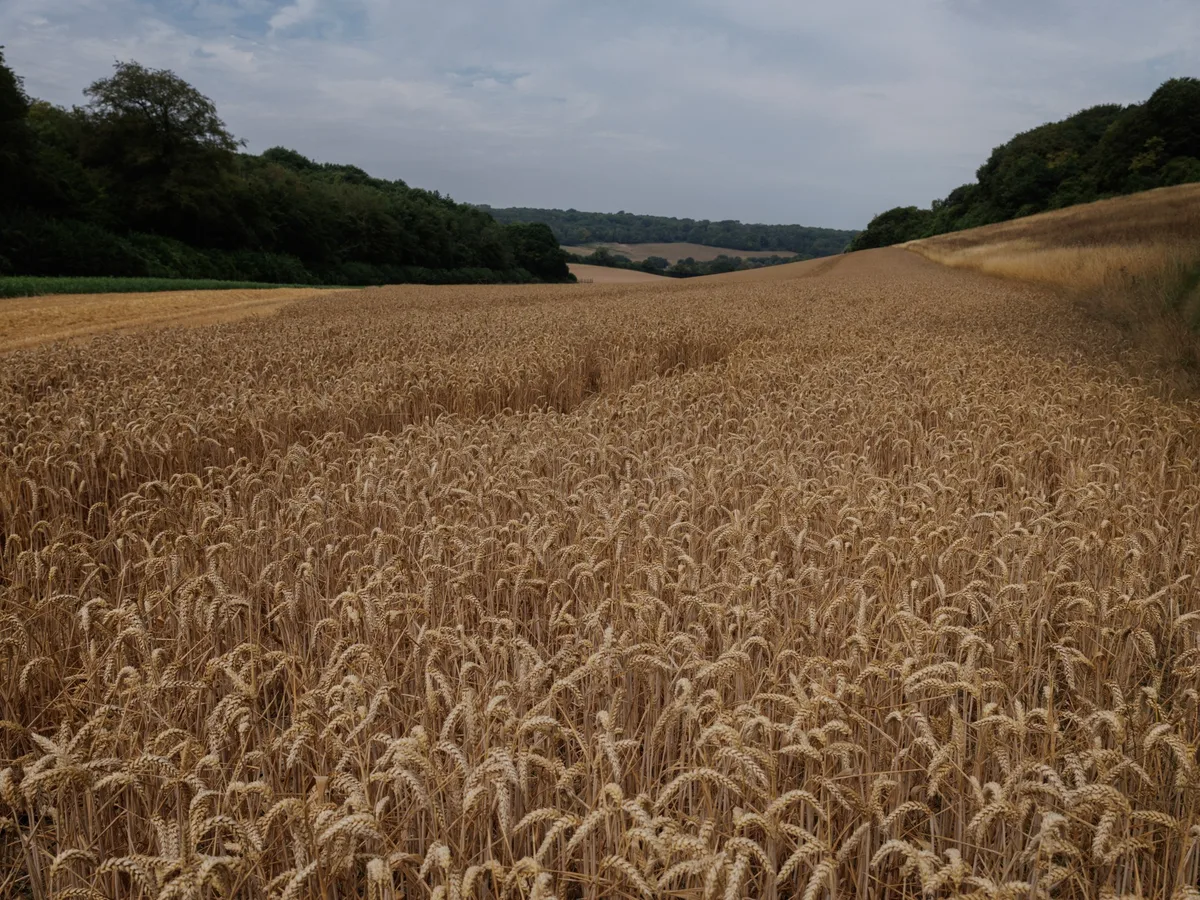
Cereal prices rose 2.2% month-on-month to the highest mark since May 2024, while sugar prices surged almost 11.9%, reaching levels not seen since June 2025 [1, 7, 6, 4]. Wheat prices jumped 15% year-on-year, driven by Black Sea shipment restrictions and European heatwaves [7, 6, 8]. Vegetable oils, including palm and soybean, also saw price increases, as did meat and dairy products in August [1, 7, 2].
The war between Russia and Ukraine has constrained grain exports through the Black Sea for over four and a half years, limiting availability and pushing cereal costs higher [1, 7, 2, 6, 4]. Tensions between the US and Iran, marked by blockades in the Strait of Hormuz, have further pressured fertilizer supply chains, affecting crop production [1, 2, 6, 4].
The FAO revised down its 2026 global cereal production forecast by 3.4 million metric tons to 2.98 billion tons, a 2% drop from 2025—the steepest annual decline since 2018 [1, 7, 3, 4]. Global cereal stocks for 2026/27 were also trimmed by 1.1% to about 947 million tons, though the stock-to-use ratio remains relatively adequate at 31.6% [1, 7].
European weather challenges have hit maize and sugar beet harvests and livestock output, while El Niño threatens palm oil and sugar production in Asia [1, 2, 3, 4]. FAO Chief Economist Maximo Torero said, "August’s increase in global food prices is a warning that the risk premium is returning to food markets: climate shocks, geopolitical tensions and disrupted trade logistics are converging to tighten supply expectations" [1].
The World Food Programme has warned that El Niño could push another 50 million people into acute hunger by the end of 2027 [2].
On September 4, the FAO released its updated forecasts outlining these production and price trends, providing a detailed outlook on the tightening global food market supply [1, 7, 3, 4].