Counterpoint Research released an updated forecast on June 1, 2026, projecting a 13.9% decline in global smartphone shipments this year to 1.08 billion units, citing worsening memory chip shortages as the main cause [1, 2, 3]. This revision lowers the earlier February forecast of a 12.4% decline [1, 2, 3, 4].
The shortage is intensified by the Iran war, which has disrupted global chip supply chains [1, 2, 3]. The impact has been particularly severe on lower-end smartphones priced below US$150, with some models expected to vanish from the market [1, 2, 3]. Wang Yang, principal analyst at Counterpoint, said, "Smartphone makers in the low and mid-tier are caught between cost increases they cannot absorb and consumers with limited spending power. The question is no longer how to grow shipments or market share, but whether to remain in the market at all" [1].
The memory chip shortage represents the most severe supply-side disruption the smartphone industry has experienced, according to Wang Yang. "Manufacturers are unable to offset the impact through pricing or product changes," he said [2].
Wholesale prices for smartphones rose 14% in the first quarter of 2026, while shipments fell 3.1% year-on-year during the same period [1, 2, 3].
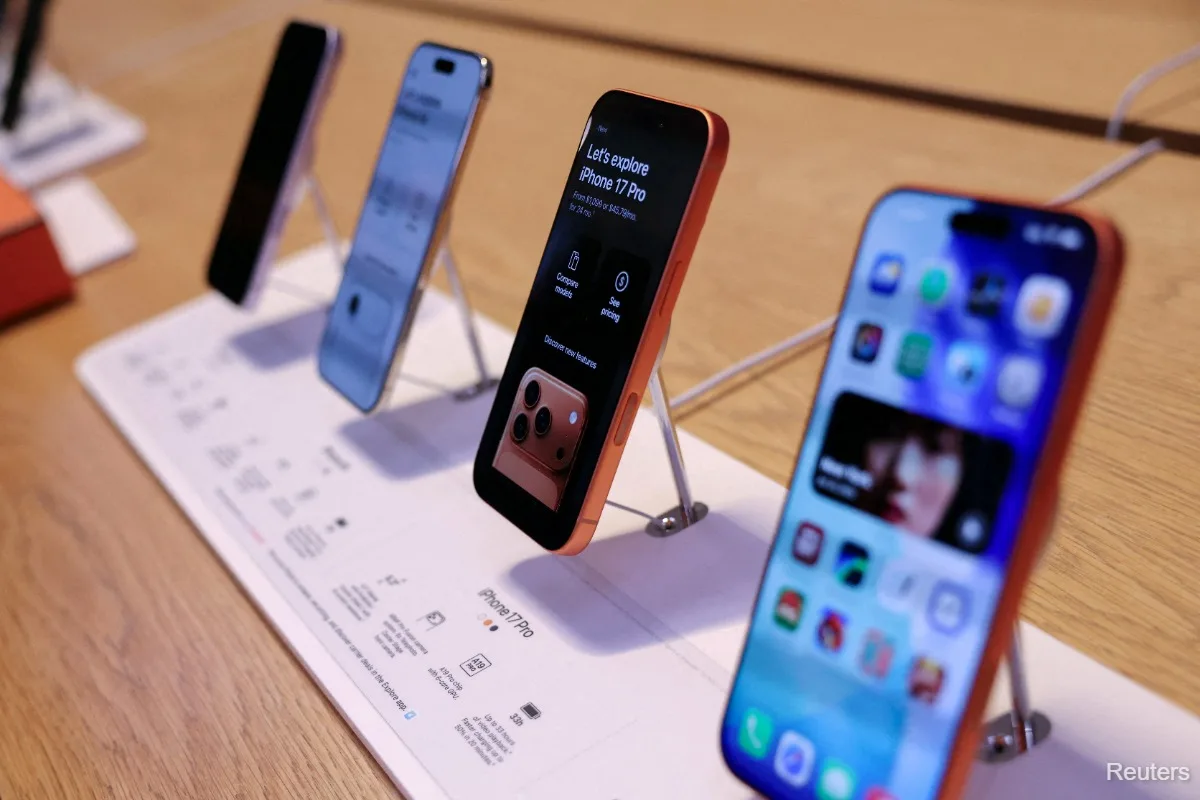
Among major brands, Apple posted record revenue in Q1 2026, boosted by upgrades to the iPhone 17 series. Its shipments are expected to remain flat in 2026 before rising 5% in 2027 [1, 2, 3]. Samsung Electronics maintained stable volumes in Q1 2026 and is forecast to have only a 4% shipment decline for the full year, outperforming the overall market [1, 2, 3].
However, companies exposed to the budget segment face steeper drops. Transsion is expected to see a 32% shipment decline in 2026, while Xiaomi and Honor face projected declines of 28% and 20% respectively [1, 2, 3].
Counterpoint's June forecast update sets the shipment outlook as the smartphone industry continues to grapple with supply constraints and price pressures amid geopolitical disruptions.