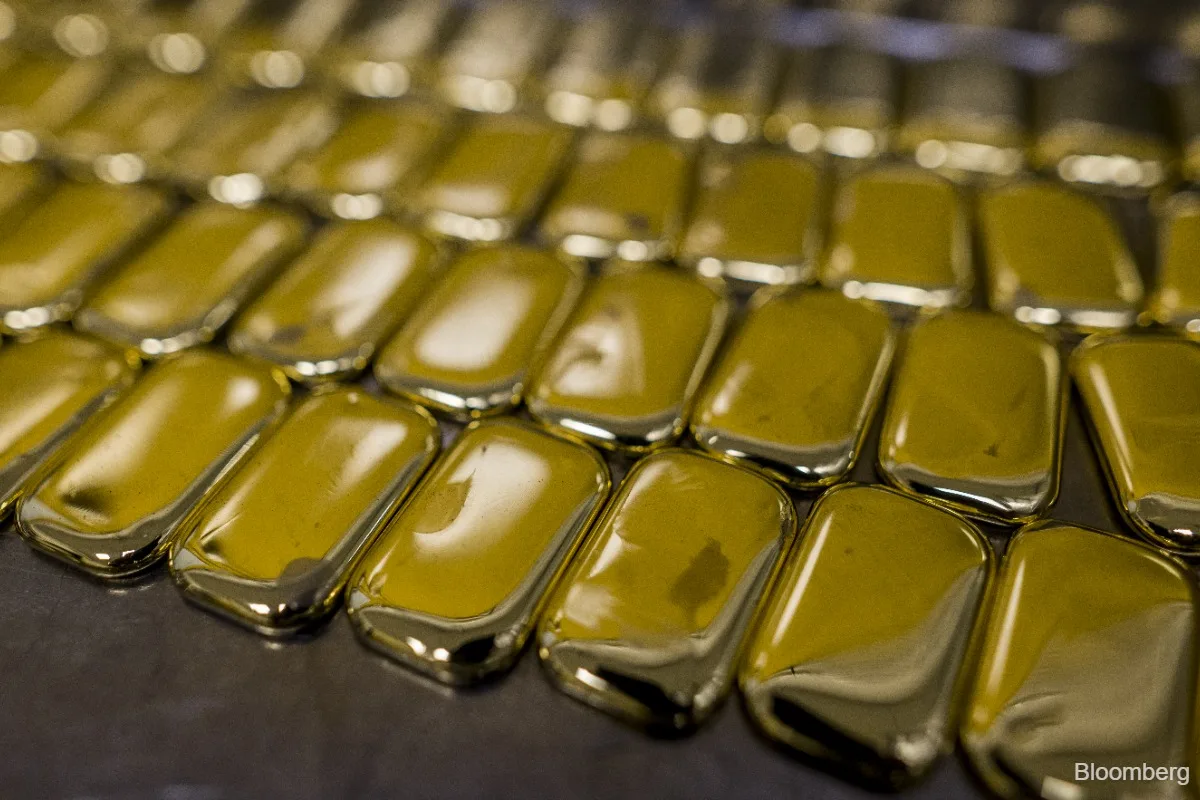
Gold prices tumbled around 24-28% in the first half of 2026, slumping from record highs above US$5,586 per ounce reached in late January to below US$4,000 several times by mid-year amid geopolitical and economic pressures [1, 2, 3, 4, 5]. The decline accelerated after the US-Iran war began in late February, pushing energy prices and inflation fears higher and driving expectations that central banks would keep interest rates elevated for longer periods [1, 6, 7, 8].
Gold lost roughly 25% since the war outbreak in late February, breaking below key technical support levels including the 200-day moving average, signaling sustained selling pressure [1, 3, 8, 9]. On June 30, gold prices briefly dipped to an intraday low of about US$3,943, the lowest level since November 2025, before closing near US$3,985 [1, 2, 8]. By early July, prices hovered around US$3,980 after dropping for three consecutive days amid ongoing speculation about three potential Federal Reserve rate hikes in 2026 and mixed signals from US-Iran diplomatic talks in Doha [3, 8, 9, 4].
Analysts cited multiple headwinds facing the gold market. Edward Meir of Marex said, "You have high inflation, high interest rate expectations, and a strong dollar, and that’s overriding all other bullish factors typically associated with a gold rally" [2]. Hebe Chen at Vantage Markets noted that "the market is clearly placing more weight on renewed US rate-hike expectations and a stronger US dollar into the second half—both of which raise the opportunity cost of holding gold" [1]. Silver and other precious metals also suffered significant losses, with silver declining about 17.4% amid volatile market conditions and weaker industrial demand [2, 10].
The US dollar gained roughly 2% in June 2026, adding downward pressure on dollar-priced gold [1, 8]. US economic data through June showed steady job openings and solid payroll growth, supporting the Federal Reserve’s room to maintain or raise rates further [3, 9, 11]. However, remarks from Federal Reserve Chair Kevin Warsh in early July eased some fears of aggressive hikes, causing a brief gold rebound to around US$4,053 [11]. Warsh affirmed the Fed’s commitment to price stability, saying he is "determined to bring inflation back to its 2 per cent target" [11].
Diplomatic efforts between the US and Iran continued in Doha with conflicting reports on direct talks. Iran denied direct negotiations, sending only a delegation of experts, while US envoys described positive technical discussions despite the lack of scheduled direct meetings [1, 3, 7, 8, 9]. The conflict has sustained energy price volatility and inflation concerns, which in turn keep pressure on gold prices.
Technically, gold faced bearish signals including a "death cross" pattern observed in late June, reinforcing short-term selling [3]. Despite this, some analysts highlighted that gold holding above US$4,000 amidst renewed tensions suggests marginal dip buyers are active [6].
On July 1, the US Supreme Court ruled that Federal Reserve Governor Lisa Cook may remain in her position, supporting the Fed’s institutional independence amid political challenges [1, 7, 8]. Market participants will closely watch the September Federal Reserve meeting, where a 64% chance of a rate hike could further influence gold’s direction later in 2026 [2].