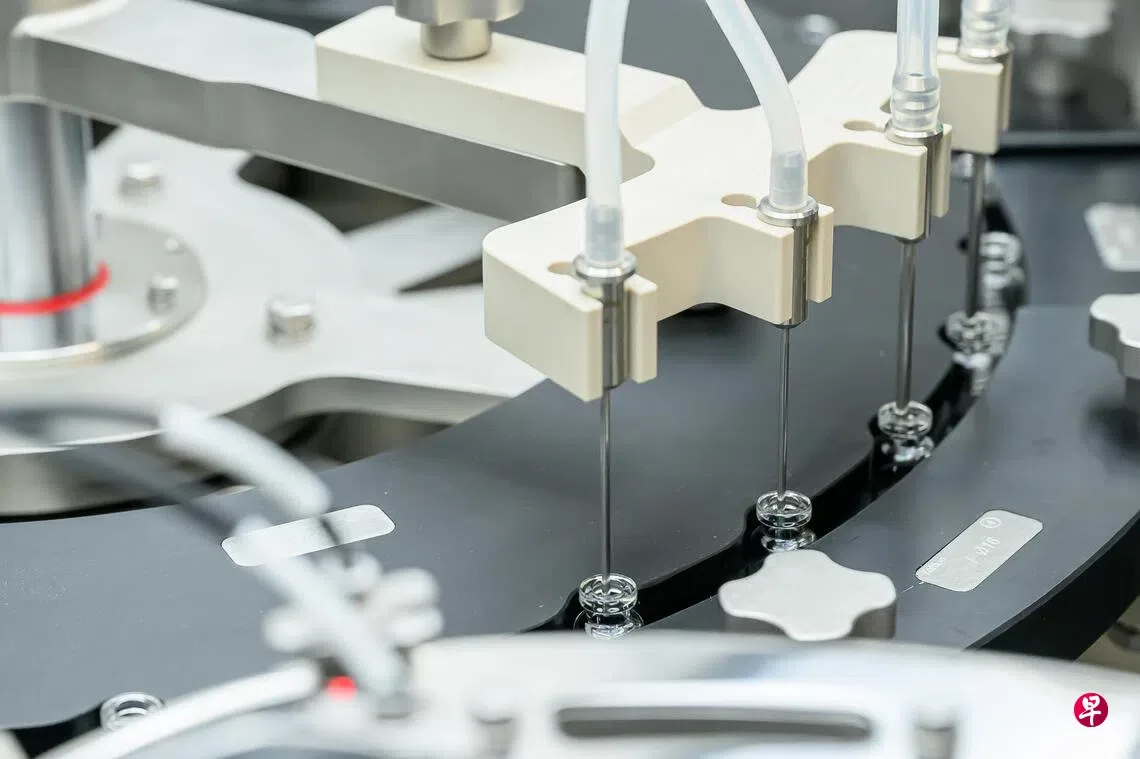
Hilleman Laboratories, headquartered in Singapore, is developing and producing a vaccine candidate targeting the Bundibugyo ebolavirus strain, which is driving one of the largest Ebola outbreaks in the Democratic Republic of the Congo (DRC) [1, 2, 3, 4, 5]. The company started work on the vaccine in August 2026 and expects to have clinical trial doses ready in about six months, CEO Raman Rao said [2, 3, 4, 5].
The Bundibugyo strain currently lacks any approved vaccine, unlike the Zaire ebolavirus strain for which several vaccines exist [1, 2, 3, 4, 5]. Hilleman Laboratories is leveraging the recombinant vesicular stomatitis virus (rVSV) platform, which is the technology behind Merck’s licensed Ervebo vaccine for the Zaire strain. Rao described rVSV as the "only existing licensed commercial Ebola Zaire vaccine product" and highlighted its promise as a single-dose vaccine [2].
CEPI, the Coalition for Epidemic Preparedness Innovations, is providing funding of up to US$8.5 million (around SGD 11.4 million) to support the vaccine development [1, 2, 3, 4, 5]. CEPI CEO Richard Hatchett said the rapid increase in Bundibugyo cases in the DRC is evolving into a humanitarian crisis, noting there is currently no approved vaccine against this strain and urgent testing of candidates is underway [1].
Hilleman Laboratories is a joint venture between Merck & Co and the Wellcome Trust. The company moved its headquarters to Singapore in 2021, reflecting a strategic focus on vaccine innovation [2, 3, 4, 5]. Singapore also announced in May 2026 an additional US$12 million commitment to CEPI over the 2027-2030 period, part of its continued support for global epidemic preparedness following a US$15 million pledge in 2022 [2, 3, 4, 5].
If early clinical trials succeed, Hilleman plans to transfer the vaccine technology to larger manufacturers for mass production and distribution. The goal is a formulation that remains stable in standard refrigeration for several months, facilitating delivery to remote African regions affected by the outbreak [2, 3, 4, 5].
The next key milestone is the expected availability of clinical trial doses around February 2027, marking the start of human testing for this vaccine candidate.