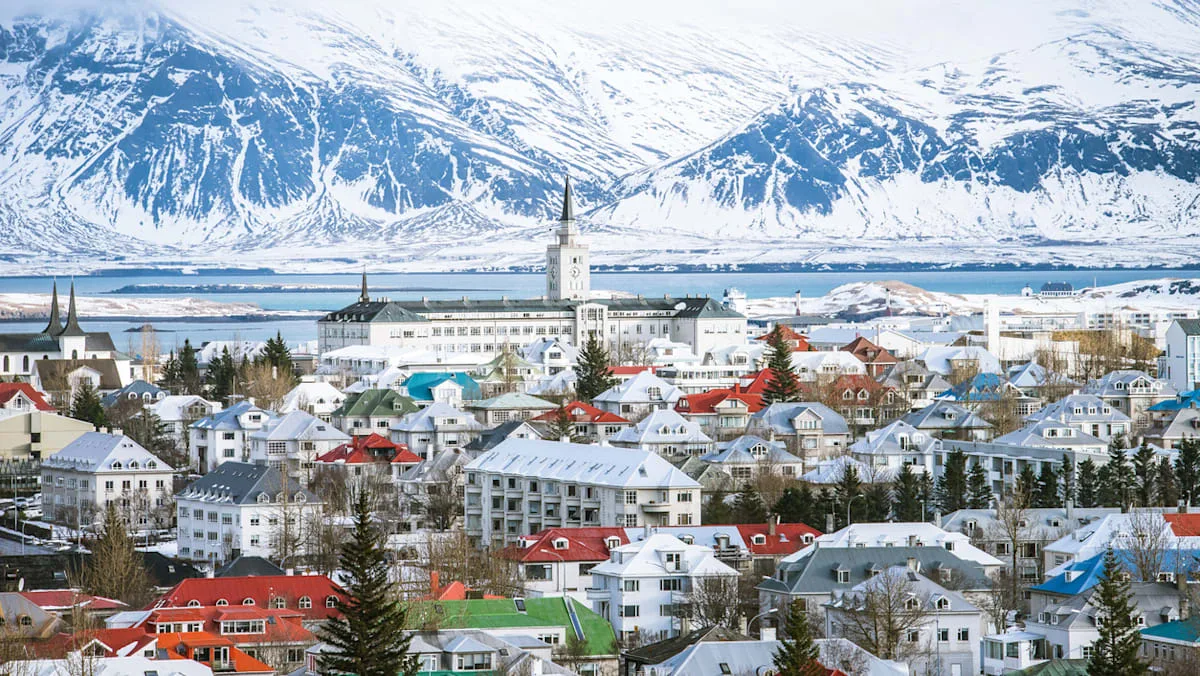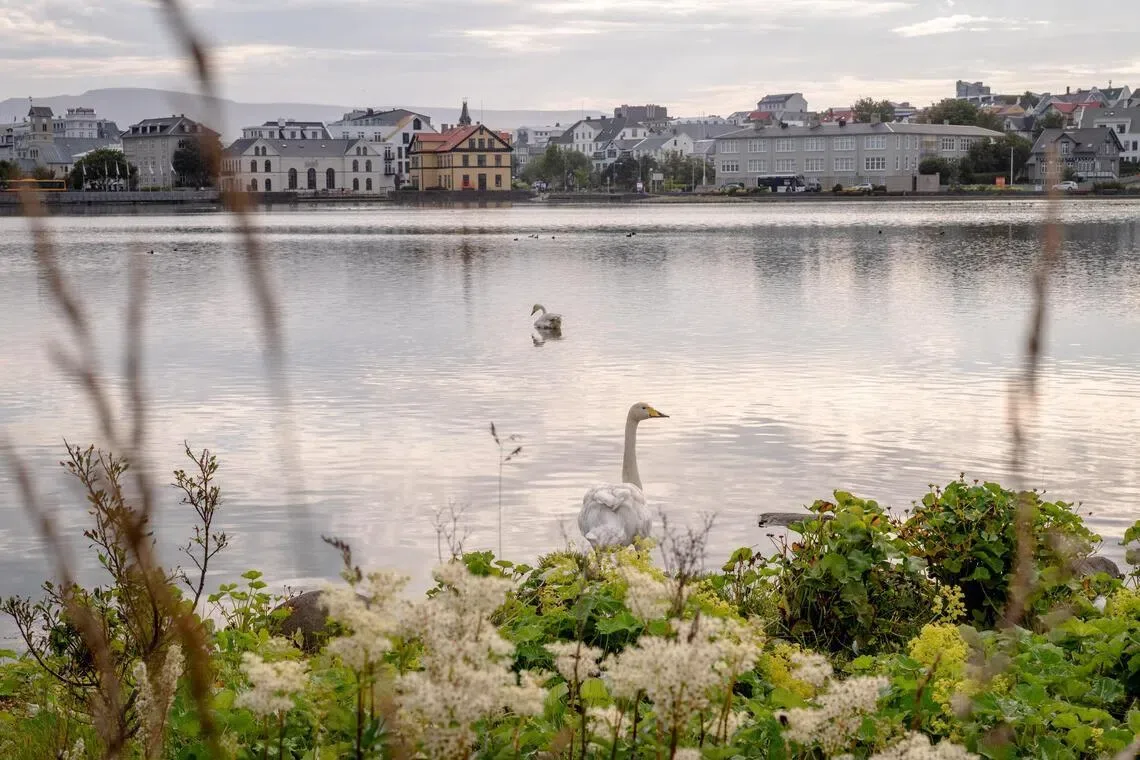
Iceland overtook Switzerland as the world’s most expensive country in price level, exceeding Swiss prices by three percentage points, according to economist Vilhjalmur Hilmarsson from the Viska trade union using Eurostat and Icelandic central bank data [1, 2, 3]. This marks the first time since 2018 that Iceland has held a higher cost level than Switzerland [1, 2, 3].
The post-pandemic surge in tourism has fueled an economic rebound in Iceland but also pushed inflation higher. Hilmarsson said, “Tourism is a huge contributor in the services’ inflation. The demand pressure from tourism has pushed wages up. Another big component is housing which has been directly affected by tourism. Tourists are competing with inhabitants for housing through AirBnB for instance” [1]. The competition for housing between locals and short-term rental tourists has driven rent and property prices upward [2, 3].
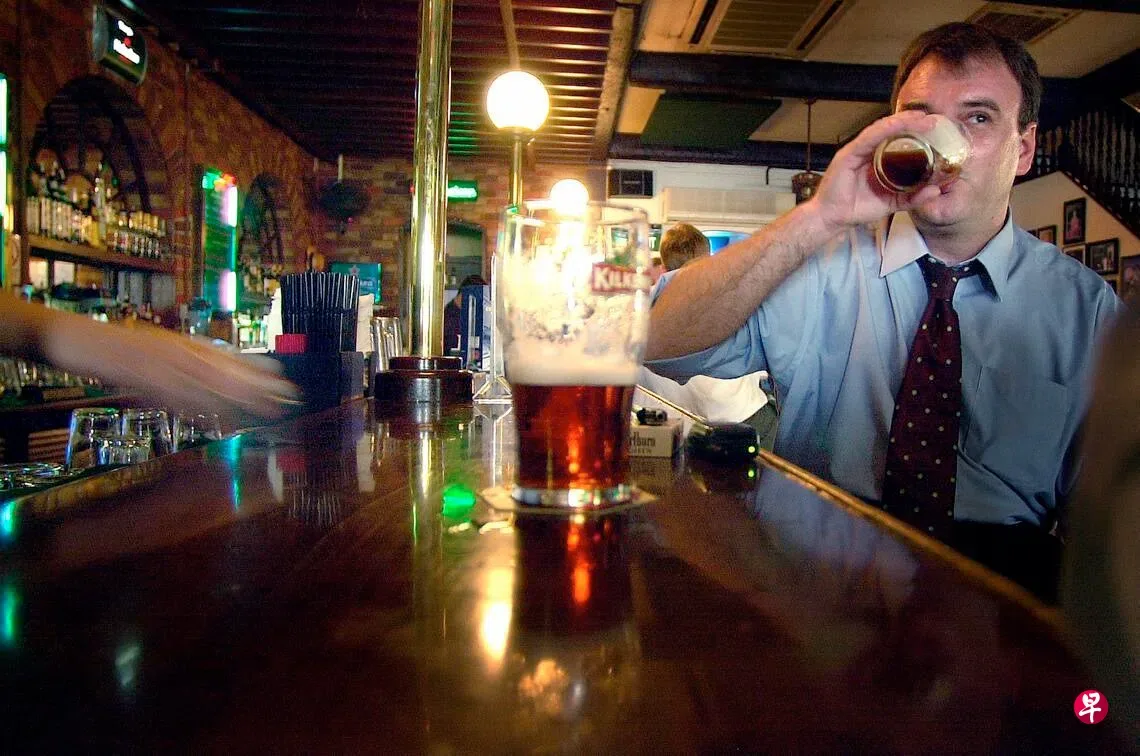
Food prices in Iceland now exceed those in other high-cost Nordic countries by 44%. Dairy and eggs cost 75% more, and meat prices are 71% above Nordic peers [1, 2, 3]. The price of a pint of beer can reach up to 1800 kronur, around S$18.60 to S$18.70, while a latte may cost as much as 1000 kronur (S$10.39 to S$18.60) [1, 2, 3].
Despite high costs, Iceland’s economy still depends heavily on labor-intensive sectors like tourism. Hilmarsson warned, “In the long run, Iceland is not building up productive sectors. We depend way too much on labour-intensive industries which will continuously create inflationary pressure. We need to foster more pillars” [1]. The lack of diversified, productive industries sustains inflationary pressure [2, 3].
A recent survey by the Iceland tourism board also found that rising costs are beginning to deter visitors [1, 3]. This signals potential challenges for an economy reliant on a steady flow of tourists.
Eurostat’s latest data for 2024, adjusted for purchasing power, continues to show Switzerland’s price level as over 7 percentage points higher than Iceland’s, suggesting differences when factoring in currency and income levels [1, 2, 3]. The nominal price level comparison still places Iceland above Switzerland.
Iceland’s increased cost pressures continue through 2026 amid ongoing tourism demand and inflation. How the country will address economic diversification remains a key question.