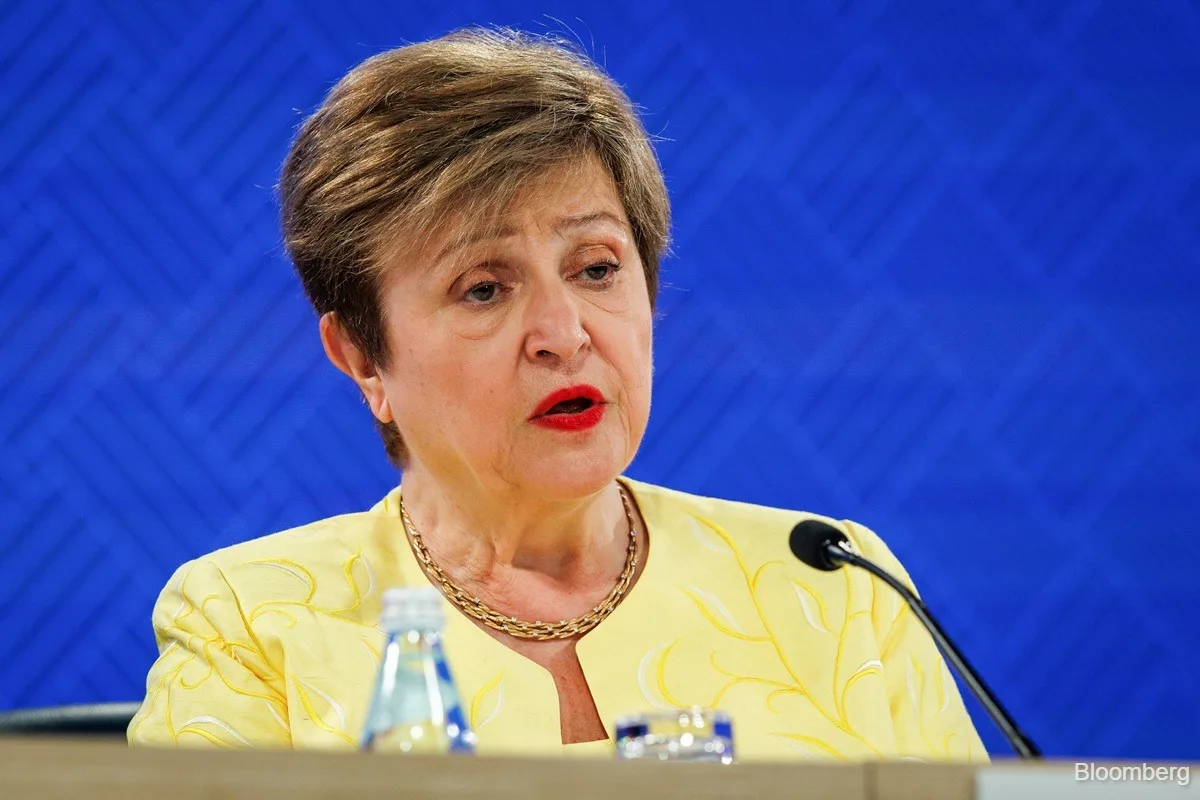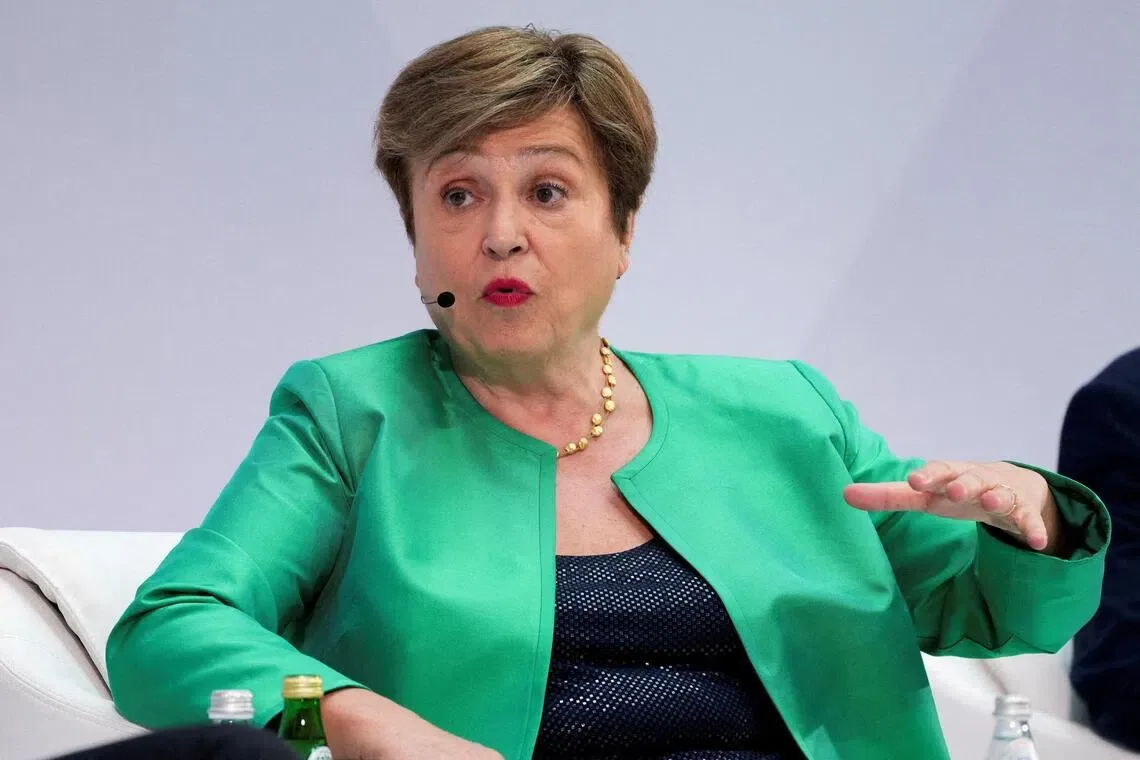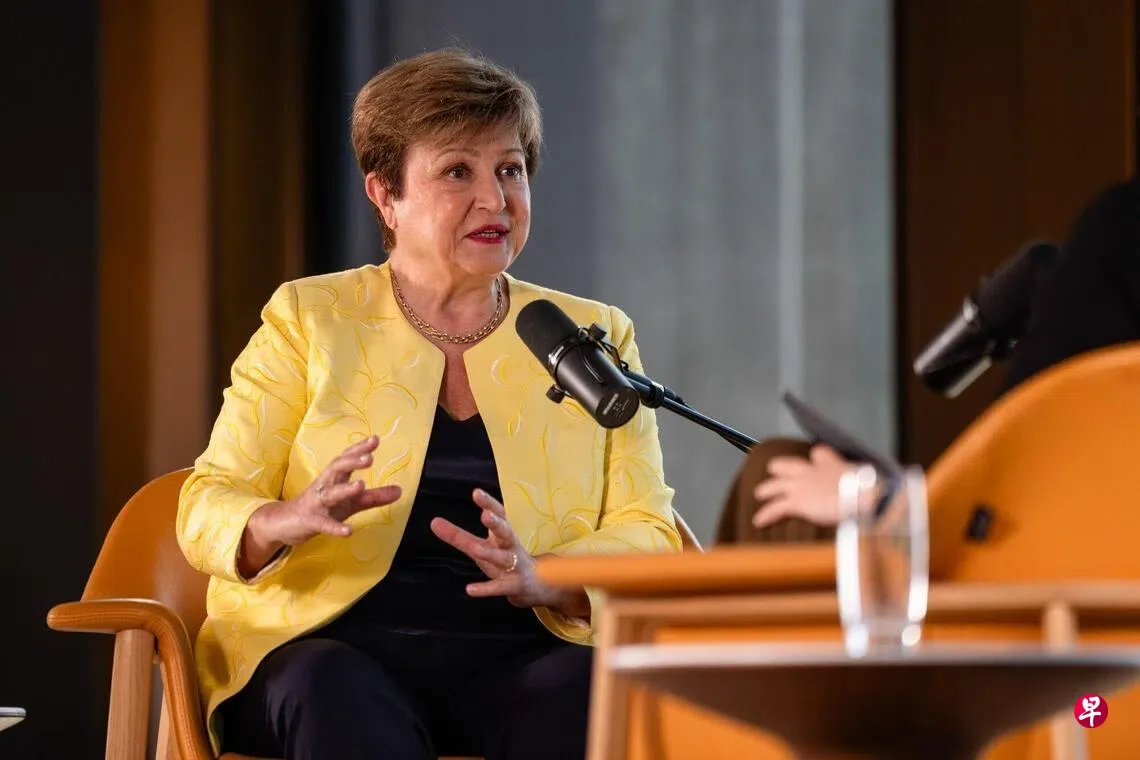
IMF Managing Director Kristalina Georgieva said the era of a shock-free global economy is over and the world is failing to fully grasp the likelihood of repeated crises. "I am worried that we are not completely internalising yet that this is how the world is going to be. We are not going to get to a place where shocks are gone," she said on June 8, 2026 [1]. Georgieva has led the IMF since 2019, overseeing the Covid pandemic, Russia-Ukraine war, trade disputes, and the ongoing Middle East conflict, among others [1, 2].
The IMF has nearly $1 trillion in lending capacity to support its 191 member countries, but Georgieva emphasized that the fund’s strongest asset is "objective economic analysis" rather than financial resources alone [1, 2]. She expressed concern about artificial intelligence (AI) as a major structural shift affecting labor markets and local economies. Georgieva warned AI could repeat globalisation’s negative fallout — hollowing out communities and worsening inequalities — which international bodies including the IMF failed to foresee and want to avoid this time. "I'll tell you what I'm very keen not to see repeated is the same with artificial intelligence," she said [1].
Recent financial market turmoil illustrates growing volatility. On June 5, 2026, US tech stocks plunged sharply, with the Philadelphia Semiconductor Index dropping over 10% amid investor fears [3, 4]. Following that selloff, Taiwan’s stock market opened June 8 with a historic single-day drop of 1,568 points or 3.48% as market uncertainty deepened [3, 4]. Some analysts see the selloff as a buying opportunity despite the risks [3, 4].
The IMF postponed its annual economic assessment of Russia due to war conditions and data issues but plans to resume regular reports in the future [1]. The fund downgraded its 2026 global growth forecast in April amid Middle East tensions and will update its outlook again in July to reflect new risks [1, 2].
Georgieva’s warnings highlight the IMF’s focus on economic analysis and policy advice as key tools to help countries adapt. The fund’s next global economic outlook update is scheduled for July 2026 [1, 2].