Indonesia and Singapore reaffirmed their commitment to keeping the Strait of Malacca open and accessible during a July 6 meeting in Jakarta between Indonesian President Prabowo Subianto and Singaporean Prime Minister Lawrence Wong [1, 2, 3]. Both leaders emphasized the strait's importance as a vital global shipping lane. "The strait must remain safe, open, accessible to all," Prime Minister Wong said [1]. President Prabowo added, "We will continue to coordinate with Malaysia and Thailand so that...the Strait of Malacca will always be open to all, safe and accessible" [1].
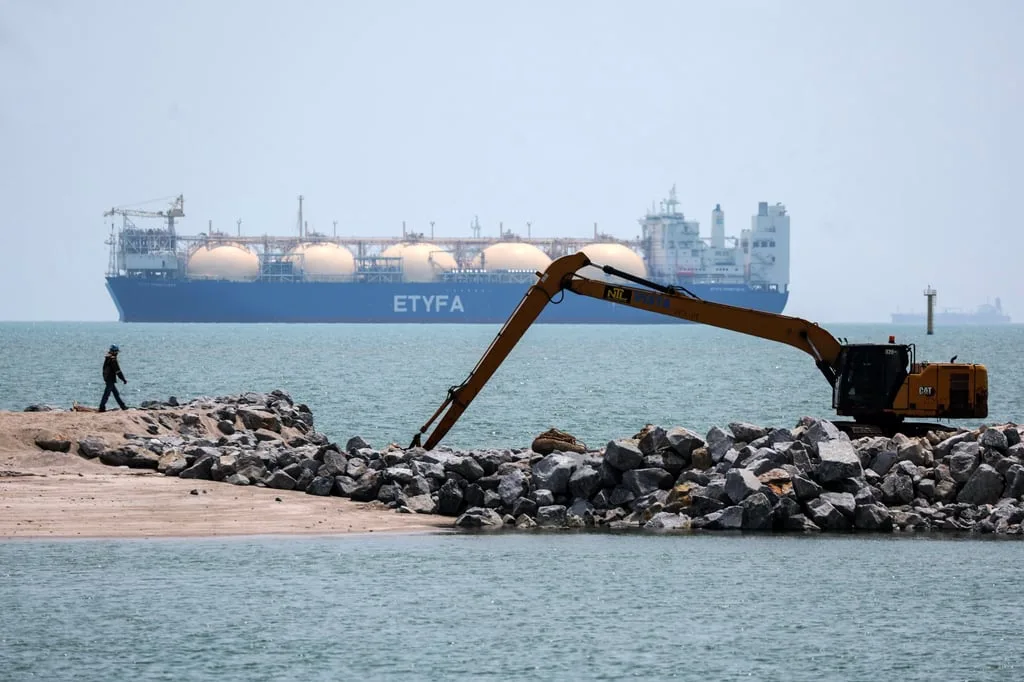
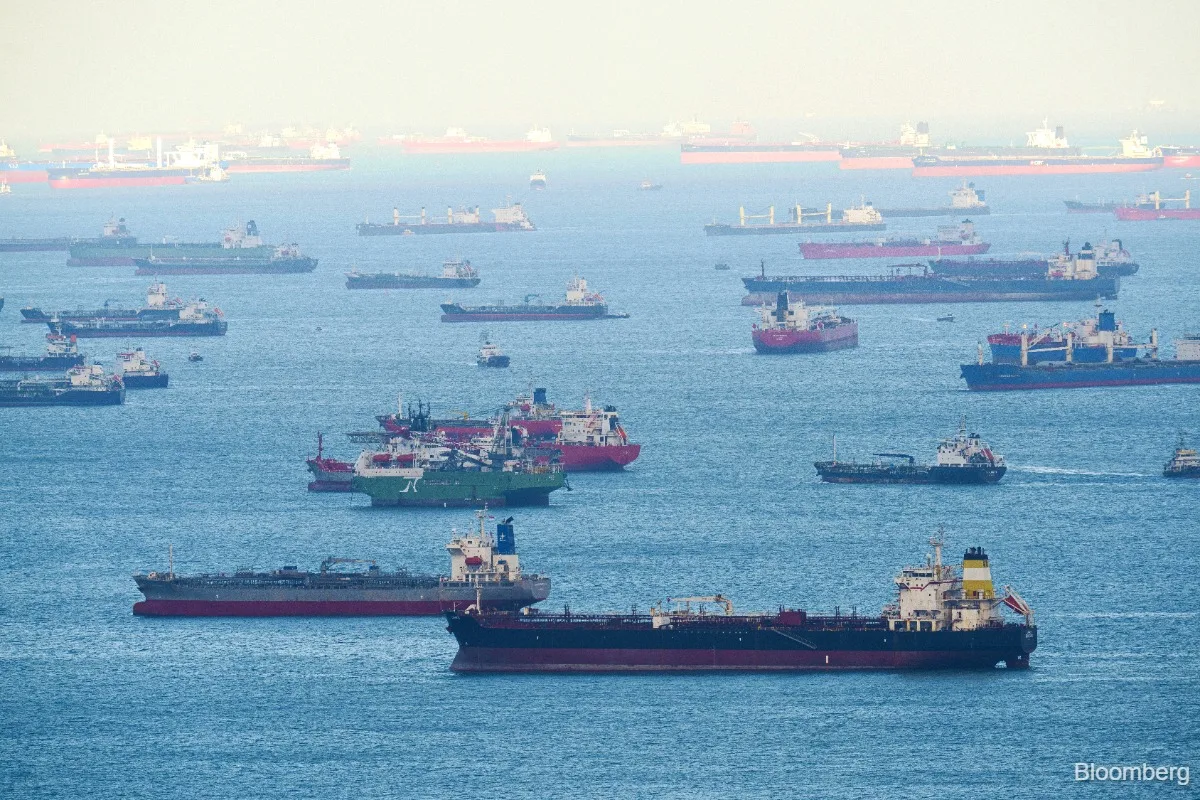
The Strait of Malacca, bordered by Indonesia, Malaysia, Singapore, and Thailand, is the world's largest chokepoint for oil transit by volume [1, 4, 2, 3]. According to the latest US Energy Information Administration data, about 23 million barrels of oil—roughly 29% of global maritime oil flows—pass through it daily in the first half of 2025 [1, 4, 2, 3]. The strait is crucial for the steady supply of energy to markets worldwide.
The renewed pledge comes as Iran recently announced it would begin charging fees on vessels transiting the Strait of Hormuz, another critical route that carries about one-fifth of the world's crude oil and LNG shipments [1]. Iran said it would offer special treatment to "friendly" countries but the fee move sparked concerns over free navigation. Negotiations between Iran and the US are ongoing to resolve tensions after Iran's previous blockade of the Strait of Hormuz [1].
Earlier in April, Indonesian Finance Minister Purbaya Yudhi Sadewa proposed imposing fees on ships crossing the Strait of Malacca but later withdrew the idea following regional feedback and concerns over disruption to maritime traffic [1, 4].
Singapore and Indonesia also underscored their commitment to uphold freedom of navigation rights under the United Nations Convention on the Law of the Sea (UNCLOS) and ensure the strait remains a safe and accessible passageway for all vessels [1, 2, 3].
Beyond security cooperation, the two countries are working together on a solar power project on Sulawesi island, showcasing a push toward renewable energy and regional collaboration [1].
The leaders’ next scheduled discussion will focus on continuing coordination with neighboring Malaysia and Thailand to maintain security and accessibility in the strait, aiming to protect this critical maritime corridor amid rising geopolitical tensions in other parts of the region [1].