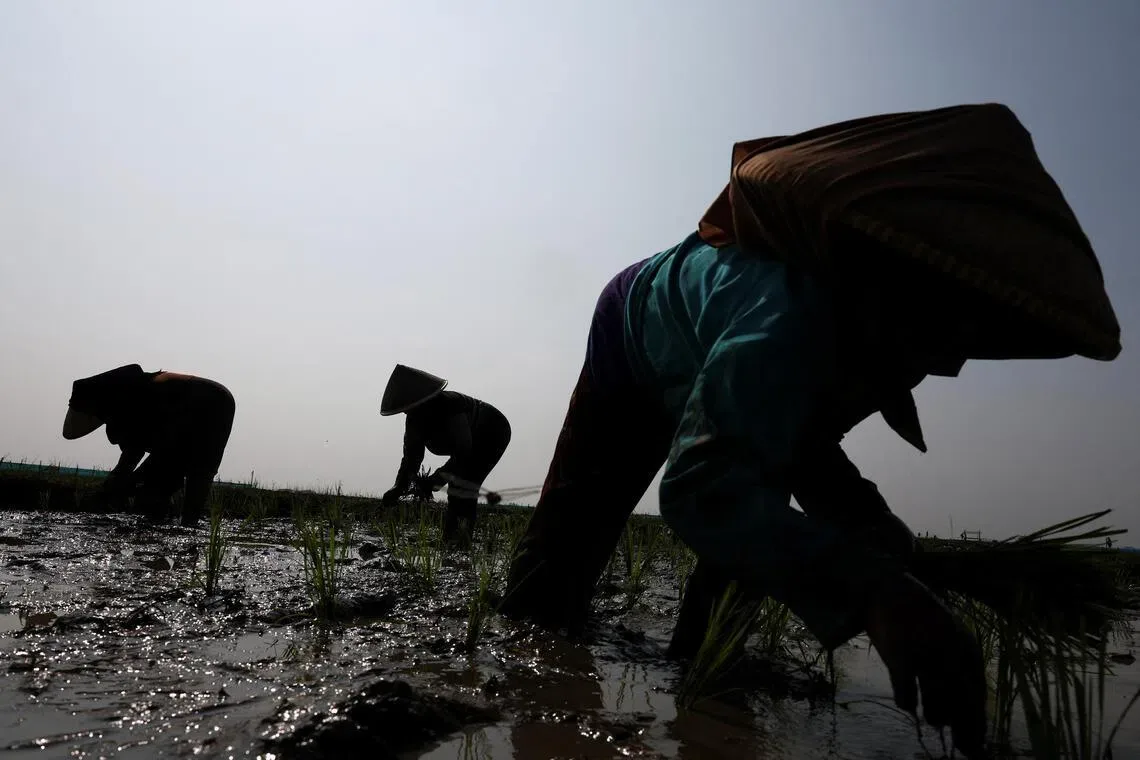
Indonesian rice farmers are planting earlier than usual in 2026 to combat expected prolonged dry spells caused by one of the strongest El Nino events on record. [1, 2] The El Nino is predicted to bring hot, dry weather across Asia, including Indonesia, threatening the nation's key rice harvest. [1, 2]
Normally, Indonesia's dry season runs from May to August, but it is expected to last longer in 2026 due to El Nino's influence. [1, 2] Many parts of Java and other islands have gone more than 10 days without rain as of early June, raising concerns about water availability for crops. [1, 2]
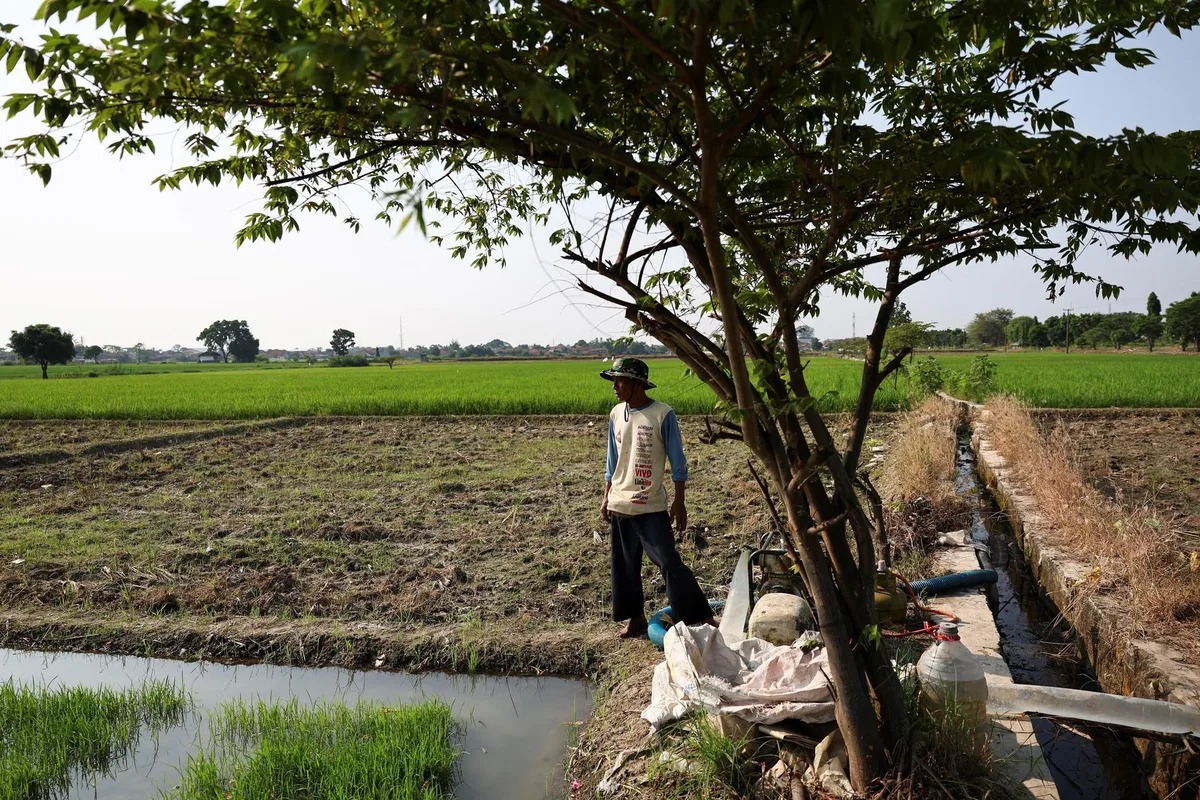
Teguh Basuki, a rice farmer in West Java, is adjusting by planting early on his 5-hectare farm to support his family of seven. "Farming is about adapting and finding solutions – hopefully it works out," Basuki said. [1] He added, "We live from farming, so we have to adapt." [2]
The Indonesian government has urged farmers to replant within two weeks of harvesting, cutting the usual 25-day delay to accelerate planting cycles. [1, 2] Agriculture Minister Amran Sulaiman instructed regional officials to optimize irrigation systems and promote drought-resistant seed varieties to safeguard rice production. [1, 2]
On June 8, ministry official Muhammad Agung Sunusi called on local leaders to enhance irrigation management and speed up planting on rice paddies. "We ask the governors, mayors, regents, and the ranks, please help to optimise our irrigation networks, planting on rice paddy fields," Sunusi said. [1]
With dry conditions intensifying, officials and farmers aim to mitigate El Nino’s impact by pushing planting schedules forward and protecting water resources. The second half of 2026 is when El Nino is expected to peak and bring the harshest weather. [1, 2]