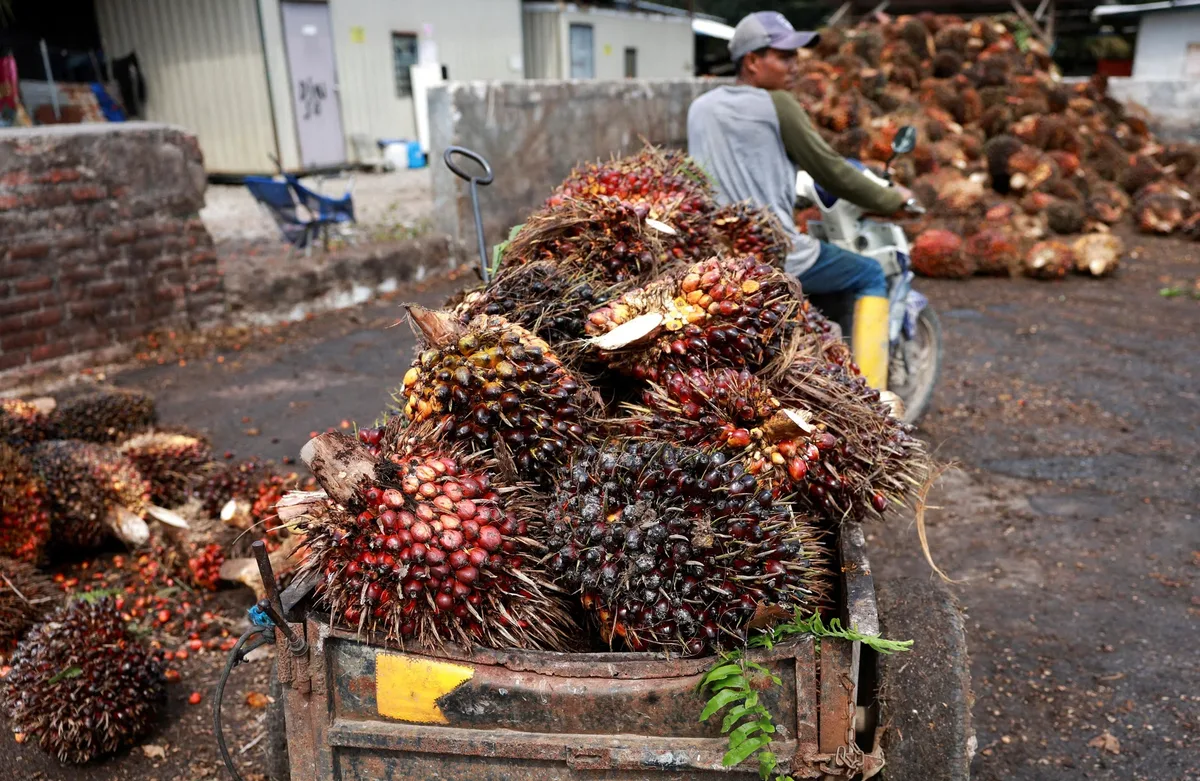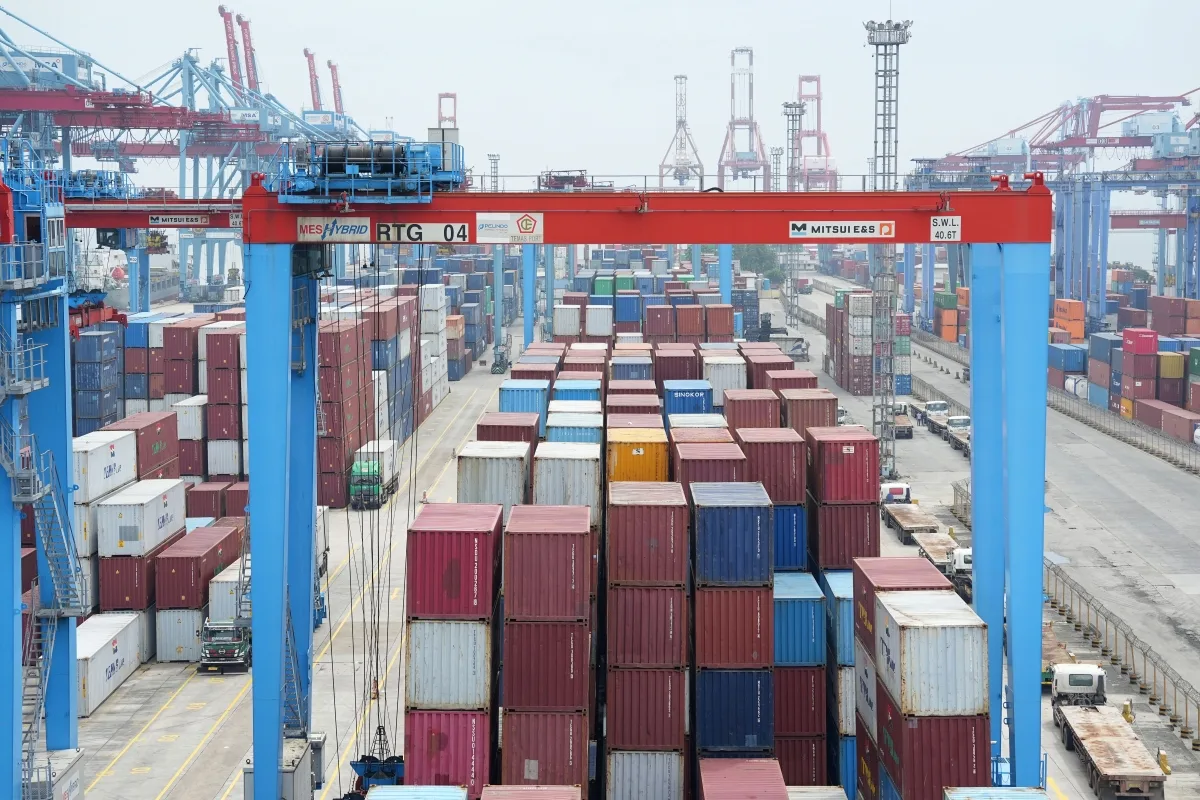
Indonesia plans to centralize export management for palm oil, thermal coal, and certain nickel products under a new government entity named Danantara Sumberdaya Indonesia [1, 2, 3]. Exporters must report sales of these strategic commodities to the agency beginning June 1, 2026, as part of the phased policy rollout [1, 2, 3].
President Prabowo Subianto announced the initiative last week, citing annual losses up to US$150 billion from export leakages like under-invoicing [1, 2, 3]. This amount nearly matches Indonesia's total state revenue of just under US$160 billion in 2025 [1, 3]. The government expects a transition period before the agency takes full control of export contracts, shipping, and payments [1, 2, 3].
Vice Trade Minister Dyah Roro Esti Widya Putri said, "This is very new, it’s still under progress. We are going to see how this progresses over the next few weeks to come," and assured that "every development over the coming weeks will be disseminated transparently to ensure global supply chains face minimal disruption" [1]. The trade ministry intends a step-by-step communication strategy to minimize disruptions during the shift [1, 2, 3].
The announcement has unsettled investors and markets tied to Indonesia’s palm oil and mining sectors. The Indonesia Stock Exchange opened nearly 2% lower on May 22 after the policy was revealed, with commodity stocks falling further over the week [4]. Shares of palm oil producer Salim Ivomas dropped about 16%, while Bayan Resources fell over 10% in the same period [4]. Industry groups report disrupted supply chains and a slowdown in trading, as participants await clarity on the new export framework [4].
Palm oil farmer groups said the announcement immediately disrupted operations, with transporters halting palm fruit collections. Mansuetus Darto, chairman of the Indonesian Palm Oil Farmers Organisation Association, said, "This uncertainty has created market panic, speculation and a decline in trading activity." He added, "Who would have thought that a two-hour speech would cause transporters to stop sending trucks to collect palm fruits from farmers?" [4].
The government plans to complete full implementation of the centralized export policy by September 1, 2026, after the phased rollout beginning June 2026 [4].