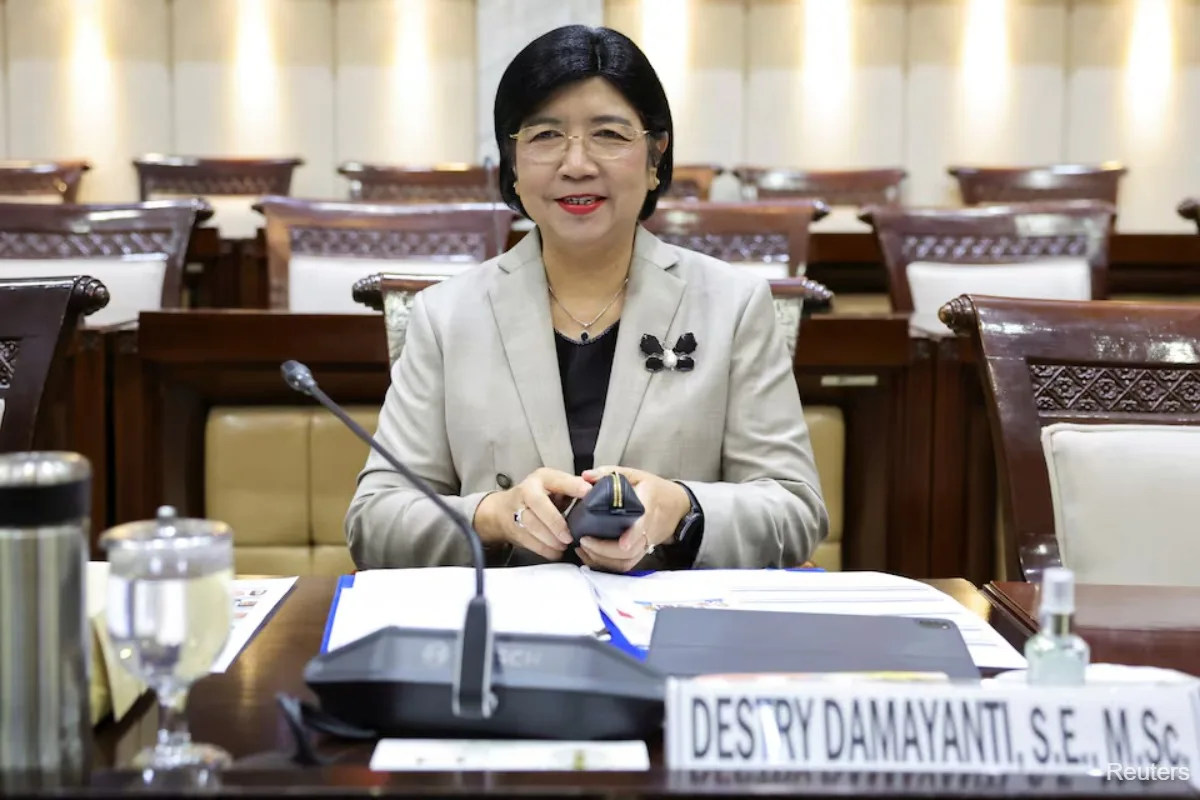
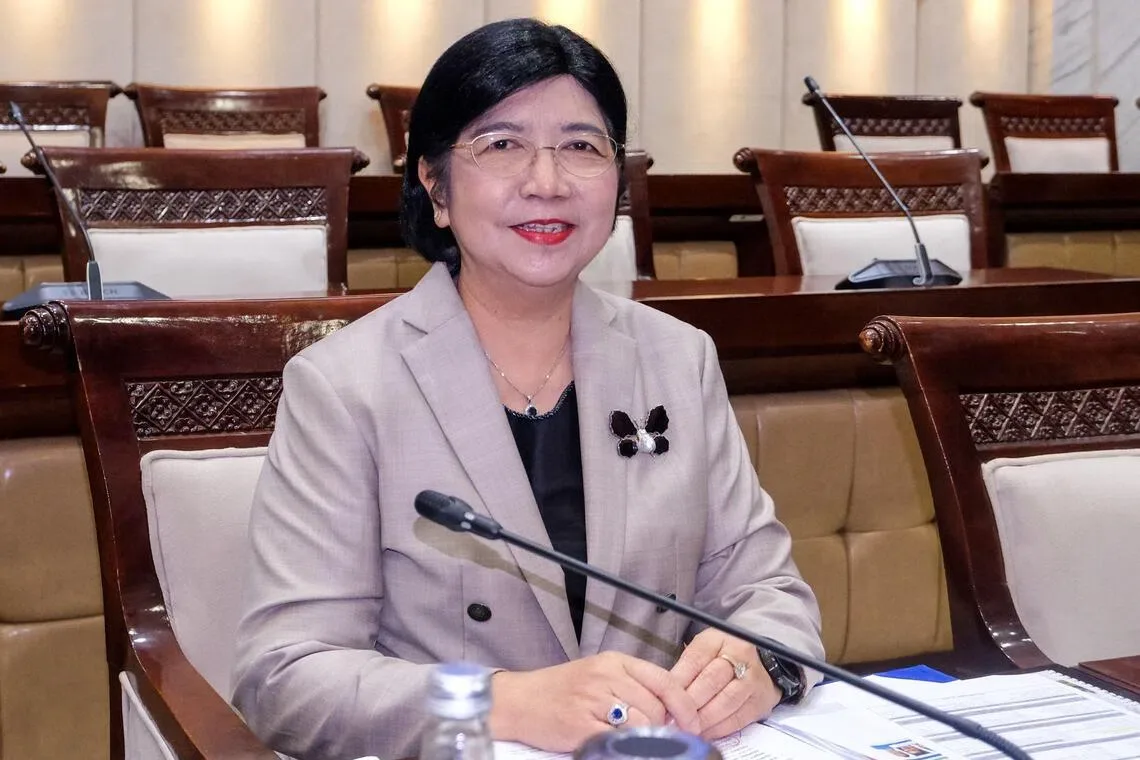
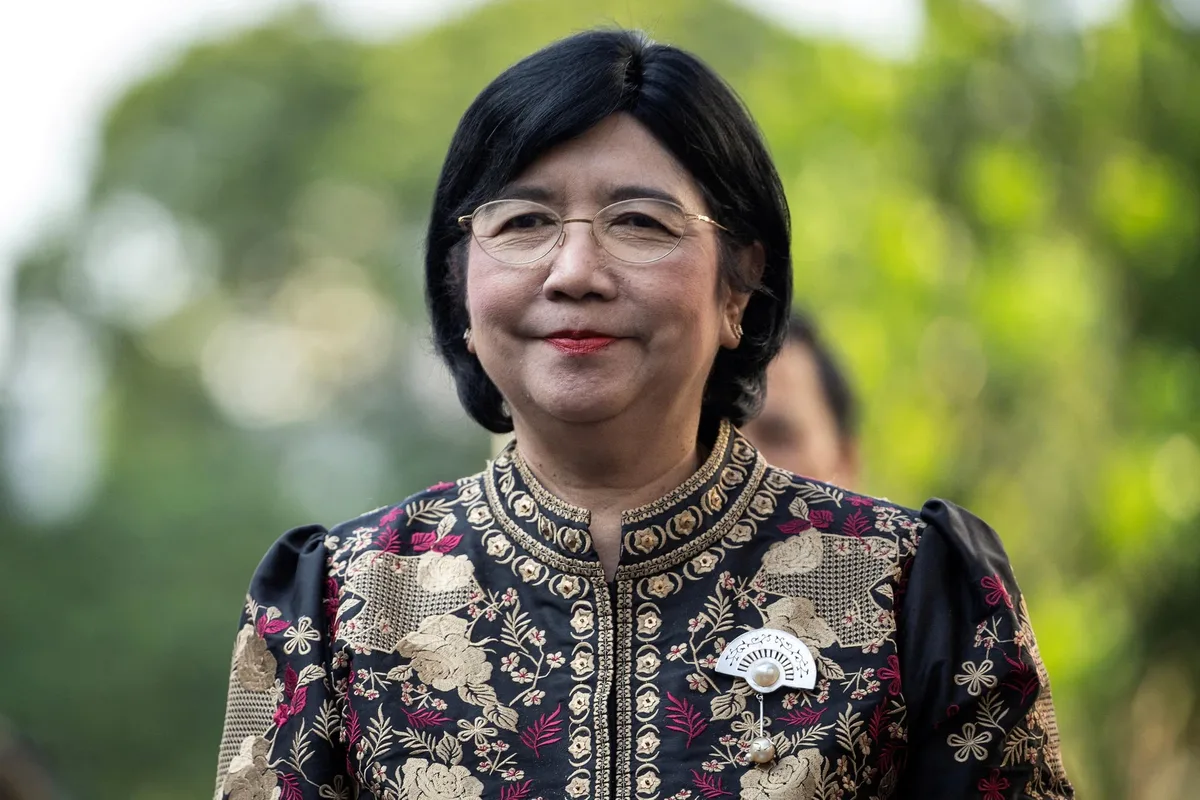
Indonesia’s parliament approved Destry Damayanti as the next governor of Bank Indonesia on September 1, 2026, confirming her as the first woman to lead the central bank in the country’s history [1, 2, 3, 4, 5, 6]. The 62-year-old was the sole nominee following the unexpected resignation of former Governor Perry Warjiyo in July 2026, midway through his second term [1, 2, 3, 4, 5, 6].
Destry has served as a senior deputy governor since 2019 and was nominated by President Prabowo Subianto, who is expected to issue a formal decree formally appointing her shortly after parliamentary approval [1, 2, 3, 4, 5, 6]. During her vetting hearing in late August, she pledged to maintain economic stability, support growth and job creation, safeguard the financial system and rupiah stability, and preserve the central bank’s independence despite close coordination with government agencies [1, 2, 3, 4, 5, 6].
"We will continue good policies that are appropriate with the times, because they depend on current situations," Destry said, emphasizing the priority of stability amid continuing global uncertainty [3]. She described Indonesia’s current economic environment as a "highly complex situation" requiring stronger coordination among institutions, while stressing that cooperation would not compromise Bank Indonesia’s independence [5].
Indonesia’s economy is valued at approximately US$1.4 trillion, making it the largest in Southeast Asia [3, 5]. Investors have raised concerns about fiscal management, stock market transparency, and the autonomy of the central bank as President Prabowo seeks to achieve an 8% economic growth target [1, 2, 3, 5]. The previous governor’s last policy meeting in July 2026 held borrowing costs at 5.75% following cumulative increases of 100 basis points earlier that year [6].
Parliament increased its oversight powers over Bank Indonesia with a June 2026 bill that assigned it responsibility for evaluating the central bank’s performance and economic growth outcomes, raising questions about political influence on monetary policy [6]. Perry Warjiyo’s resignation sparked speculation that he faced pressure to align policies more closely with the government’s pro-growth agenda [6].
Fitch Ratings said Destry’s appointment reinforced expectations of continued policy stability at Bank Indonesia [6]. Former Governor Warjiyo urged the new leadership to "strengthen its mandate of ensuring stability and supporting growth" [3].
Parliament had endorsed Destry’s nomination after a fit-and-proper test on August 27, following a vetting hearing the day before [1, 2, 3, 4, 5]. President Prabowo’s formal decree on her appointment is expected in the coming days [1, 2, 3, 4, 5].