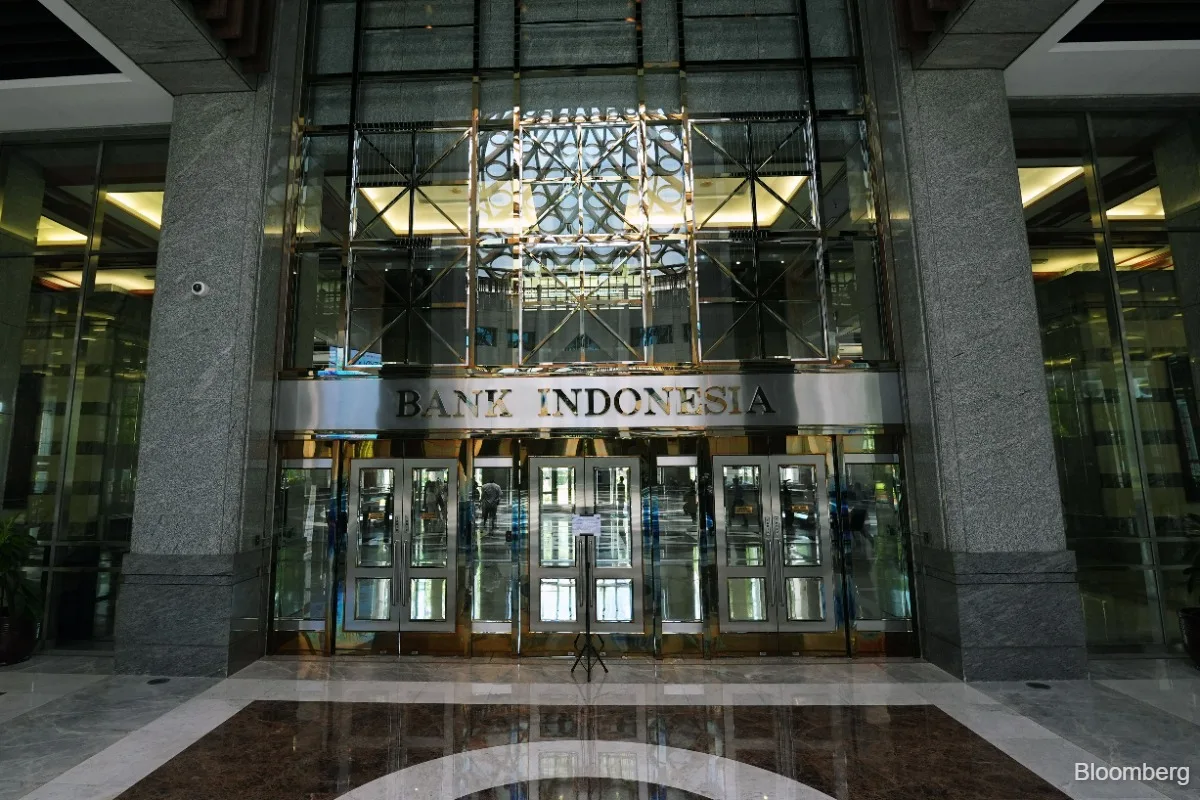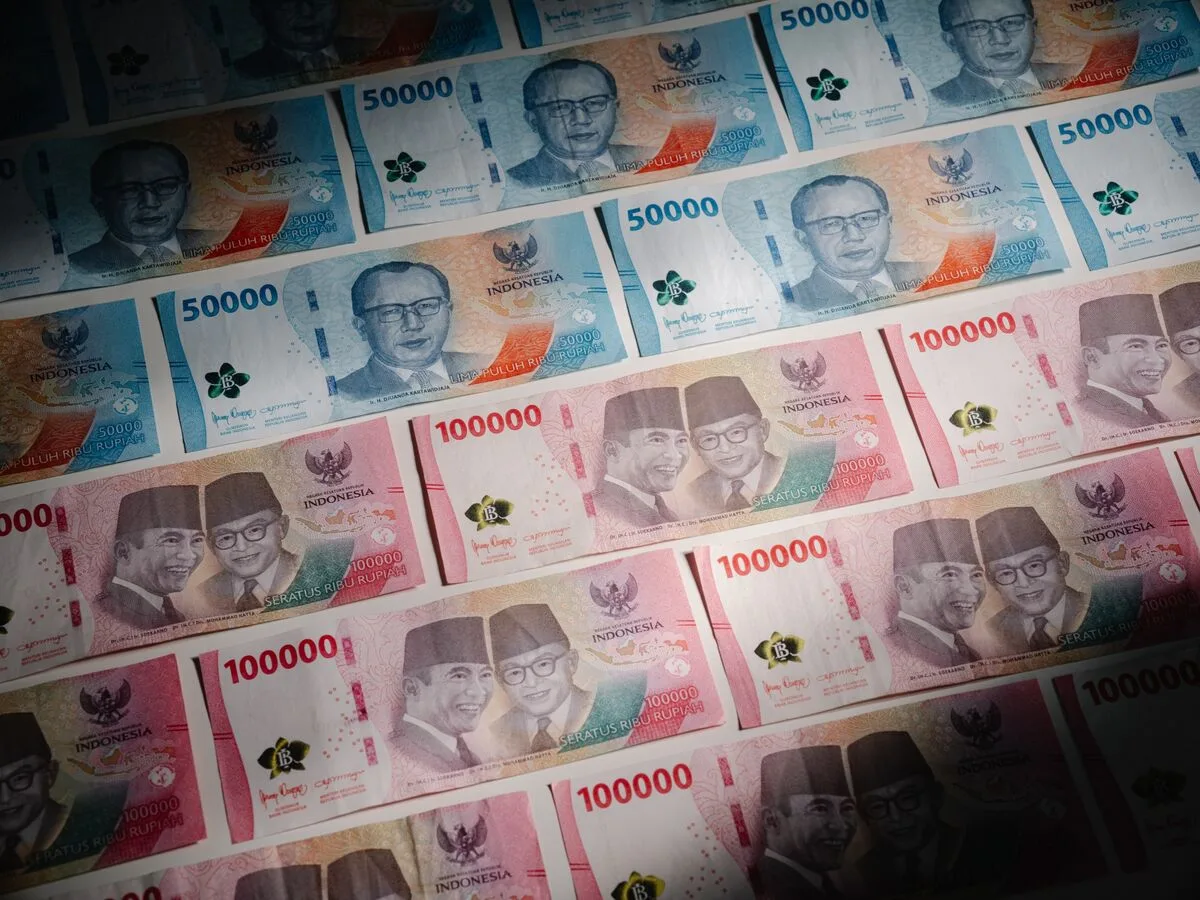
Bank Indonesia raised its policy rate by 50 basis points to 5.25% on May 20, 2026, the first hike in over two years and bigger than market expectations of 0.25% or no change [1, 2, 3]. The move came as the Indonesian rupiah slid to record lows against the US dollar and Singapore dollar, reaching an intraday low of about 17,745 per US dollar on May 20 and 13,800 against the Singapore dollar [4, 5, 6, 7, 8].
The rupiah’s declines in 2026 reflect inflation fears from high oil prices driven by ongoing Middle East conflicts, concerns over Indonesia’s fiscal discipline, foreign capital outflows, and issues with central bank independence and stock market governance [4, 5, 6, 7, 8]. The currency was among Asia’s worst performing this year, falling more than 5% against the US dollar by mid-May, second only to the Indian rupee [4, 5].
President Prabowo Subianto downplayed the rupiah’s weakness on May 16, saying, "Many thousands of rupiah the exchange rate to the dollar is, you folks in villages do not use the dollar anyway. Believe that our economy is strong, our fundamentals are strong. Whatever people say, Indonesia is strong" [5].
On May 18, the rupiah hit a record low near 17,668 per US dollar amid oil price spikes and regional tensions. Bank Indonesia Governor Perry Warjiyo was grilled in parliament, where some lawmakers called for his resignation. MP Primus Yustisio said, "Perhaps it is time for you to resign. There is nothing wrong with that—it is up to you" [6, 9, 10].
Before the rate hike, Bank Indonesia used over US$10 billion from its foreign reserves to stabilize the rupiah [2]. Governor Warjiyo said the rupiah "remains undervalued and should strengthen in the coming quarter as domestic demand for dollars eases" [2]. Meanwhile, economists noted the rate increase could support the currency but cautioned more measures are needed to boost capital inflows. Radhika Rao of DBS Bank said, "The guidance will be supportive of the currency, though more durable gains will require measures to boost capital inflows" [8]. OCBC strategist Christopher Wong called it "a good surprise and should help stabilise sentiment, but it is not a silver bullet" [8].
Jakarta’s stock market also fell sharply in mid-May, dropping over 4% on May 18 and near year-lows, weighed down by rupiah weakness and MSCI index removals [4, 5, 8]. Some observers warned the rupiah could weaken further to 18,000 per US dollar if geopolitical tensions and domestic uncertainty persist [7].
Bank Indonesia said it will continue foreign exchange interventions alongside monetary tightening to stabilize the rupiah and restore investor confidence [2, 3, 8].