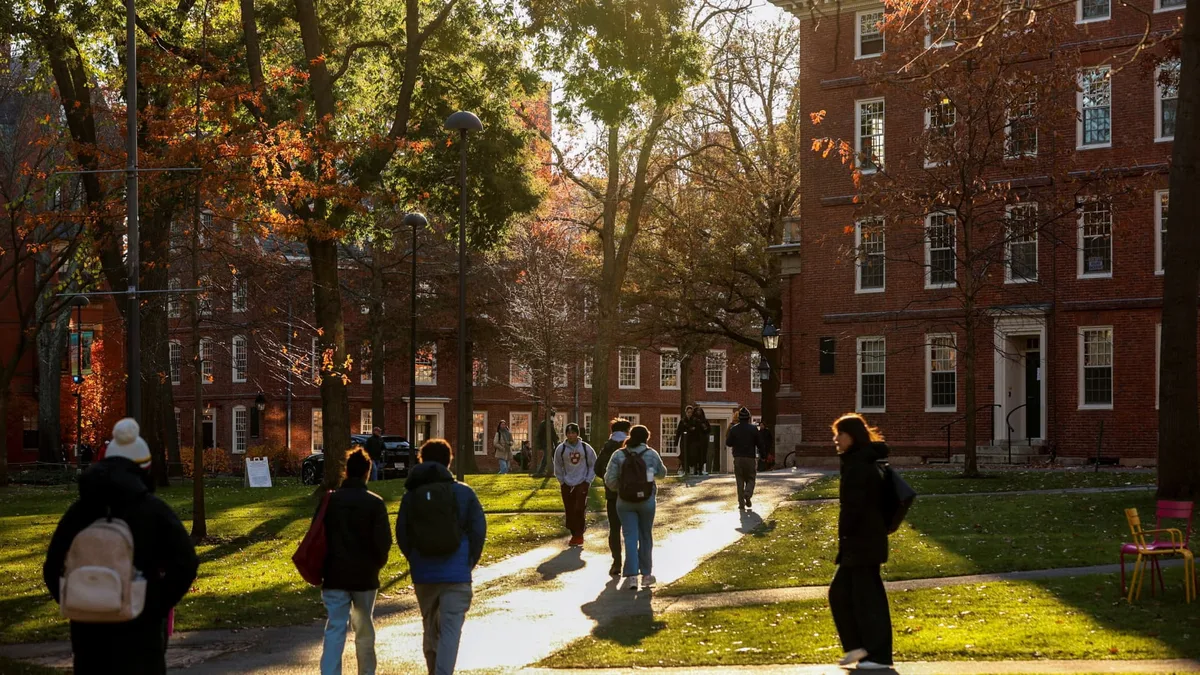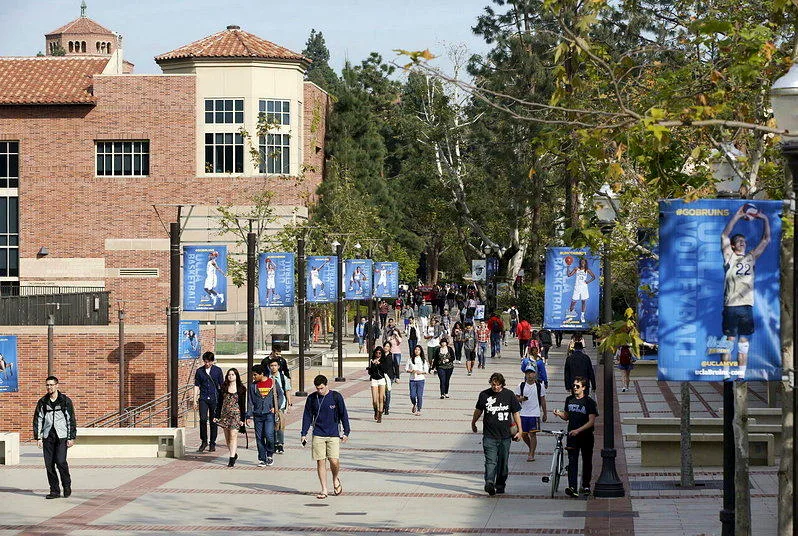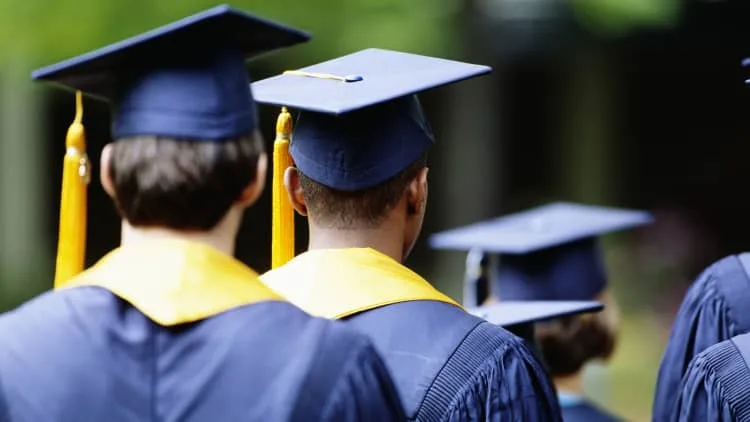
International student applications to US colleges for the fall 2026 semester fell approximately 10%, the largest drop since 2013, according to Common App data released August 20, 2026 [1, 2, 3]. Nearly 16,000 fewer international students applied this year compared to 2025 [1, 2, 3].
The decline was steepest among applicants from Asia and Africa, both regions seeing double-digit drops. European applicants fell about 4% [1, 2, 4, 3]. Rodney Hughes, senior data scientist at Common App, said, "If it’s harder to get a visa, that might make it less likely that students apply" [1].
The fall in international applications hit less selective institutions hardest. Schools with acceptance rates over 50% experienced around a 20% drop, whereas top-tier universities with acceptance rates below 25% saw only about a 1% decline [4, 3]. Jamie Beaton, CEO of Crimson Education, said, "They’ll accelerate a sorting that was already underway, where institutions that can't demonstrate clear return on investment lose enrollment and cut programs, and the very top schools like Harvard, Stanford, MIT and Duke continue standing strong" [5]. Beaton also noted in Mandarin that while many schools face enrollment challenges, elite institutions remain unaffected [4].
Visa policy changes implemented during the Trump administration, including capping F-1 and J-1 visa durations at four years and limiting visa holders’ flexibility, significantly contributed to the drop in applications [1, 2, 5, 4, 3]. These restrictions may create hurdles particularly for graduate and STEM programs, raising challenges for universities relying on large international student populations [5, 4].
Meanwhile, US domestic college applications grew by 4%, with a notable 9% increase from the US southwest region [1, 2, 3]. Standardized test submissions (SAT/ACT) also became more common among applicants for 2026-27, reflecting recruitment adjustments by some colleges [3].
The decline follows a 17% fall in new international student enrollment in fall 2025 compared to the previous year [5, 4]. Earlier, academic year 2024-25 saw about a 1% dip in international applications shortly after visa restrictions were introduced [1, 2, 3].
Data from 1,146 colleges surveyed by Common App illustrates the scale of shifts in applicant demographics and institutions affected [1, 2]. Top-ranked universities like Harvard, Stanford, MIT, and Duke continue to attract international students despite the overall decline [5, 4].
The next admissions cycle for fall 2027 will reveal whether international student numbers stabilize or continue to be influenced by visa policies and recruitment strategies.