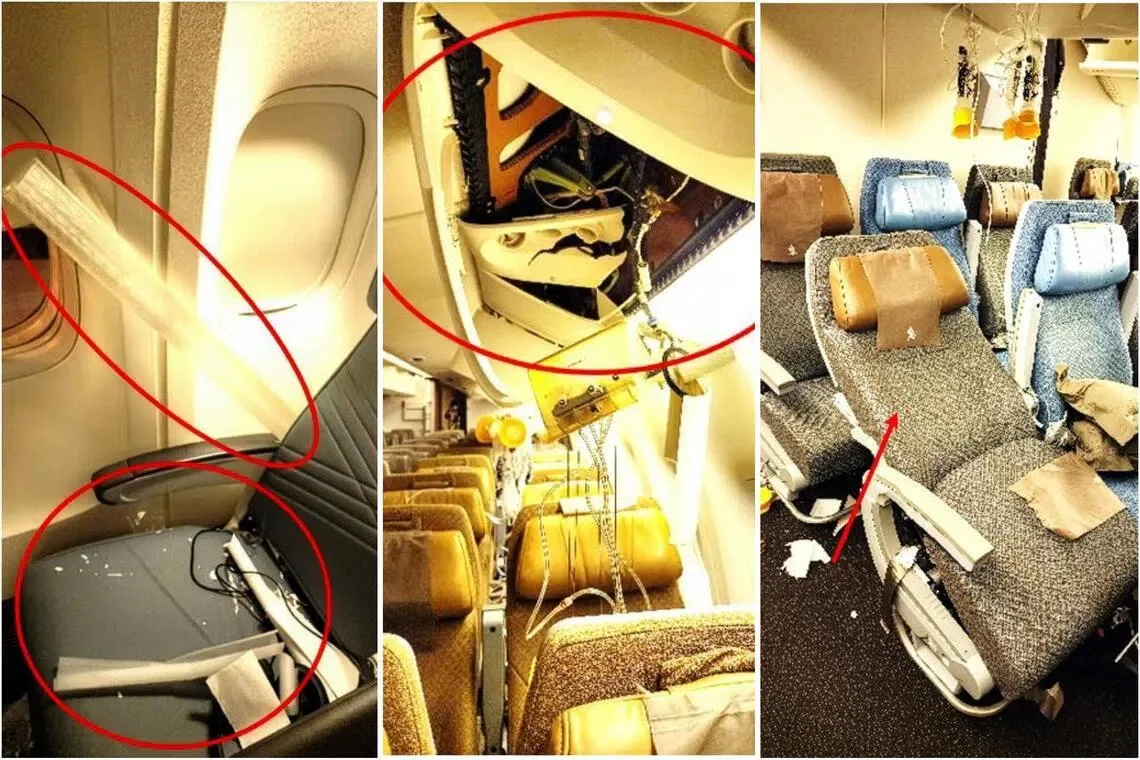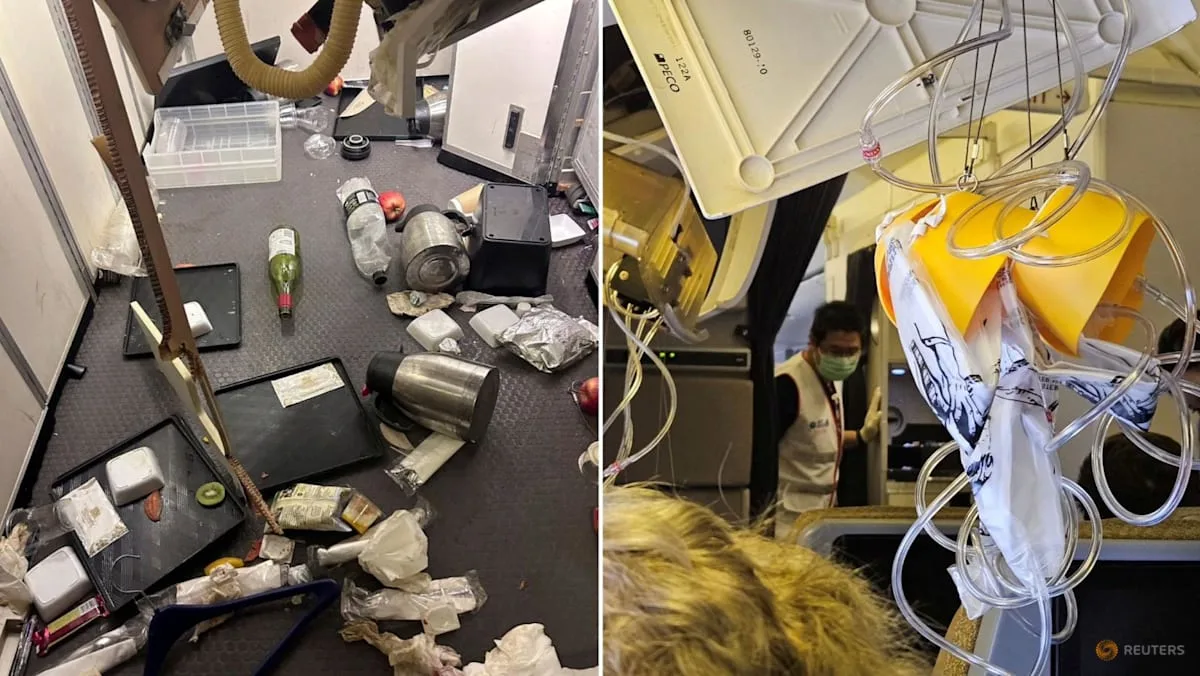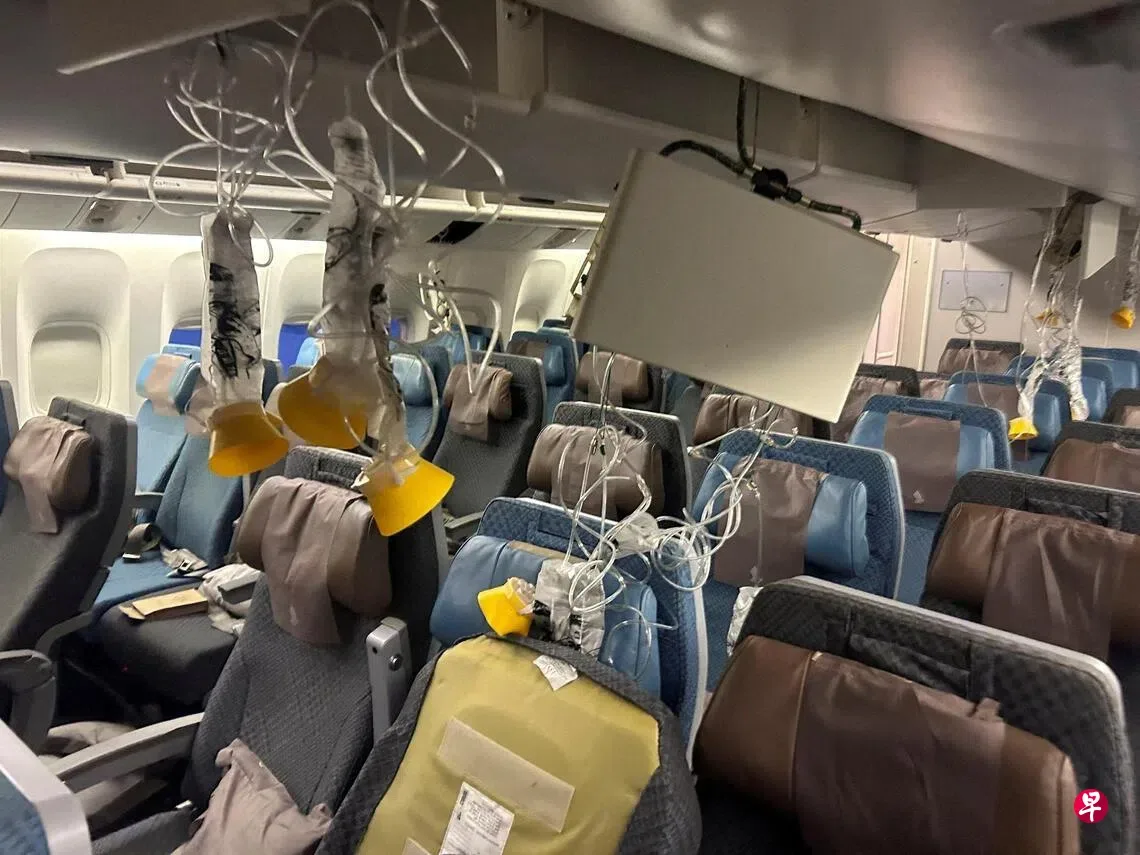
On May 21, 2024, Singapore Airlines flight SQ321, a Boeing 777-300ER cruising at 37,000 feet over southwest Myanmar, encountered severe turbulence that killed one passenger and injured 79 people aboard the aircraft, which carried 211 passengers and 18 crew members [1, 2, 3, 4, 5, 6, 7, 8]. The turbulence occurred at 3:49:23 pm Singapore time while the plane flew at Mach 0.84 (about 1037 km/h), with rapid gravitational forces fluctuating from +0.44G to +1.57G within 17 seconds, violently throwing unbelted passengers against the cabin ceiling [1, 2, 3, 5, 6, 7]. The aircraft made an emergency landing at Bangkok Suvarnabhumi Airport the following day [1, 4, 8].
The flight crew reported that before the turbulence, visual inspections and the aircraft’s weather radar showed no dangerous weather conditions [1, 2, 3, 4, 5, 6, 7]. After the incident, maintenance records revealed that the same aircraft’s weather radar system had failed to properly detect or display weather on at least three previous occasions in the month prior to the turbulence, including six days before the event [1, 2, 3, 4, 5, 6, 7]. However, tests by the radar manufacturer after the incident found no conclusive evidence that the radar system malfunctioned during the flight [1, 2, 3, 4, 5, 6, 9, 7].
Singapore’s Transport Safety Investigation Bureau (TSIB) released its final investigation report on May 19, 2026. Investigators said they could not conclusively determine if the weather radar failed, but the possibility of under-detection or malfunction could not be ruled out [1, 2, 3, 4, 5, 6, 9, 7, 8]. They recommended aircraft manufacturers develop procedures to help crews identify when weather radar displays may be under-painting or failing and support maintenance troubleshooting [4, 9].
Legal action has been filed by a group of British passengers injured in the turbulence, citing the TSIB report in claims against Singapore Airlines [10]. James Healy-Pratt, a lawyer representing the group, said, "The report for us points to clear liability on the part of Singapore Airlines to fully compensate injured passengers. It is regrettable that Singapore Airlines and its insurer have not accepted legal liability in London, which will delay claims and increase legal costs" [10].
Experts noted that weather radars primarily detect precipitation, not turbulence itself. Tony Stanton, a Strategic Air analyst, said, "Radar primarily detects precipitation rather than turbulence itself. A mismatch between radar display and actual environment may be due to lack of precipitation in turbulent zones. Crews should rely on multiple weather sources rather than radar alone" [11].
In response to the incident, Singapore Airlines apologized and offered monetary compensation to all 229 people aboard, including passengers and crew. The airline has implemented enhanced turbulence management procedures, including improved weather radar and turbulence monitoring training for crews, and increased passenger safety announcements [4, 12, 8]. The next regulatory review of radar system reliability for the Boeing 777 fleet is scheduled for later this year.