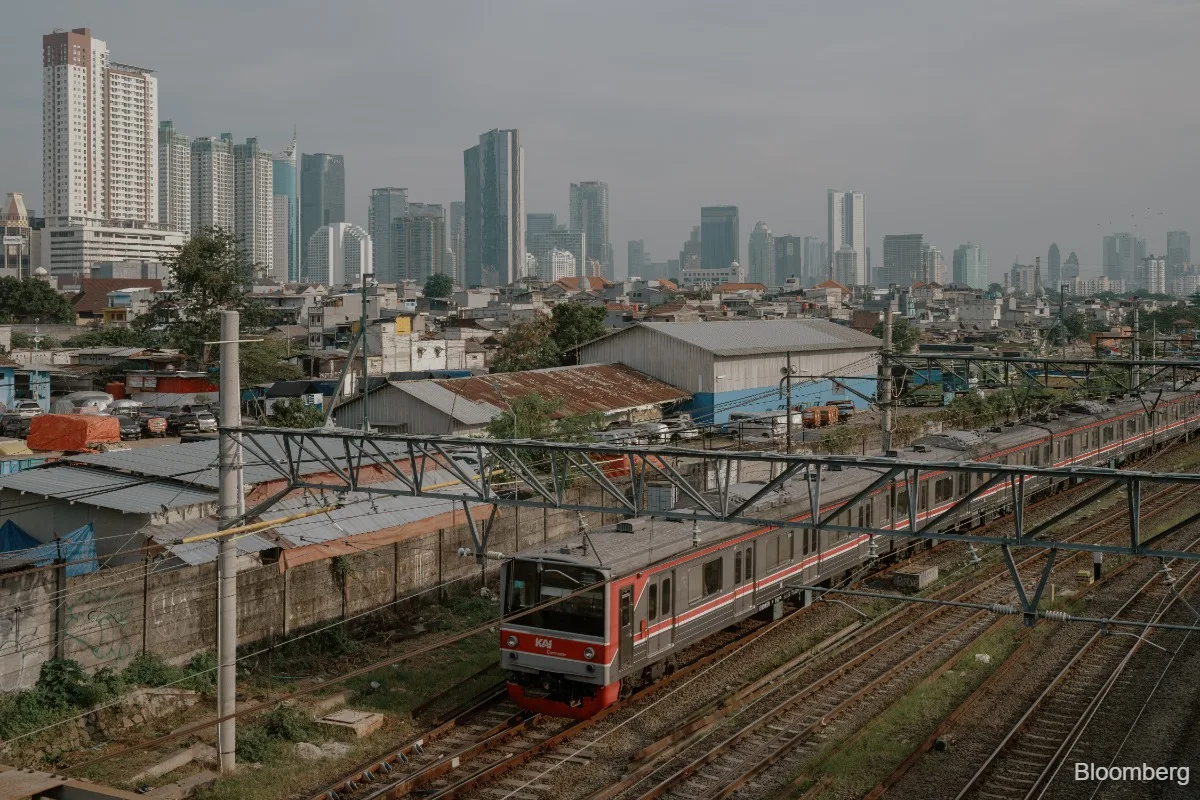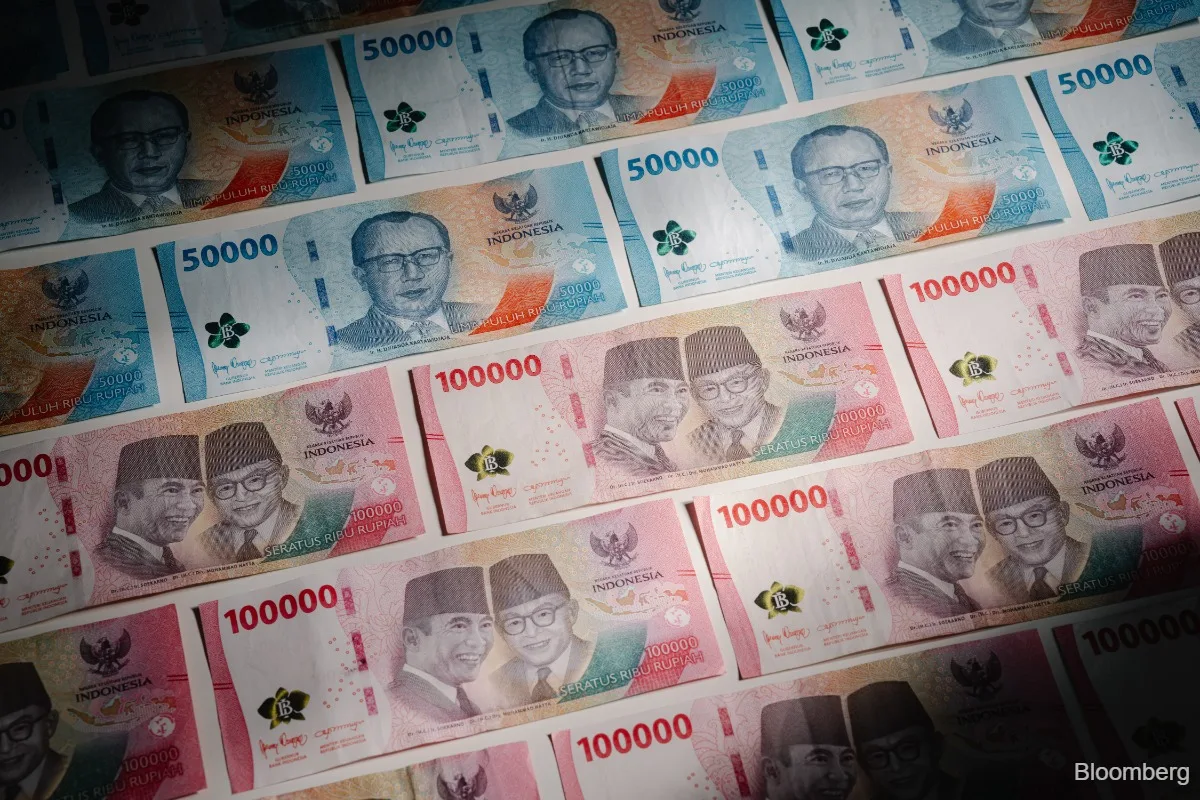
Indonesian stocks have dropped to their lowest level in five years, with the Jakarta Composite Index down about 32-36% so far in 2026, making it the worst performer globally this year [1, 2, 3, 4, 5, 6, 7, 8, 9]. The rupiah weakened to historic lows, breaching 18,000 per US dollar around June 4-5 and trading above 14,000 against the Singapore dollar for the first time [2, 3, 10, 4, 5, 6, 7, 8, 9]. It has depreciated roughly 7-7.6% against the US dollar in 2026, the worst showing among Asian and emerging market currencies [3, 10, 7].
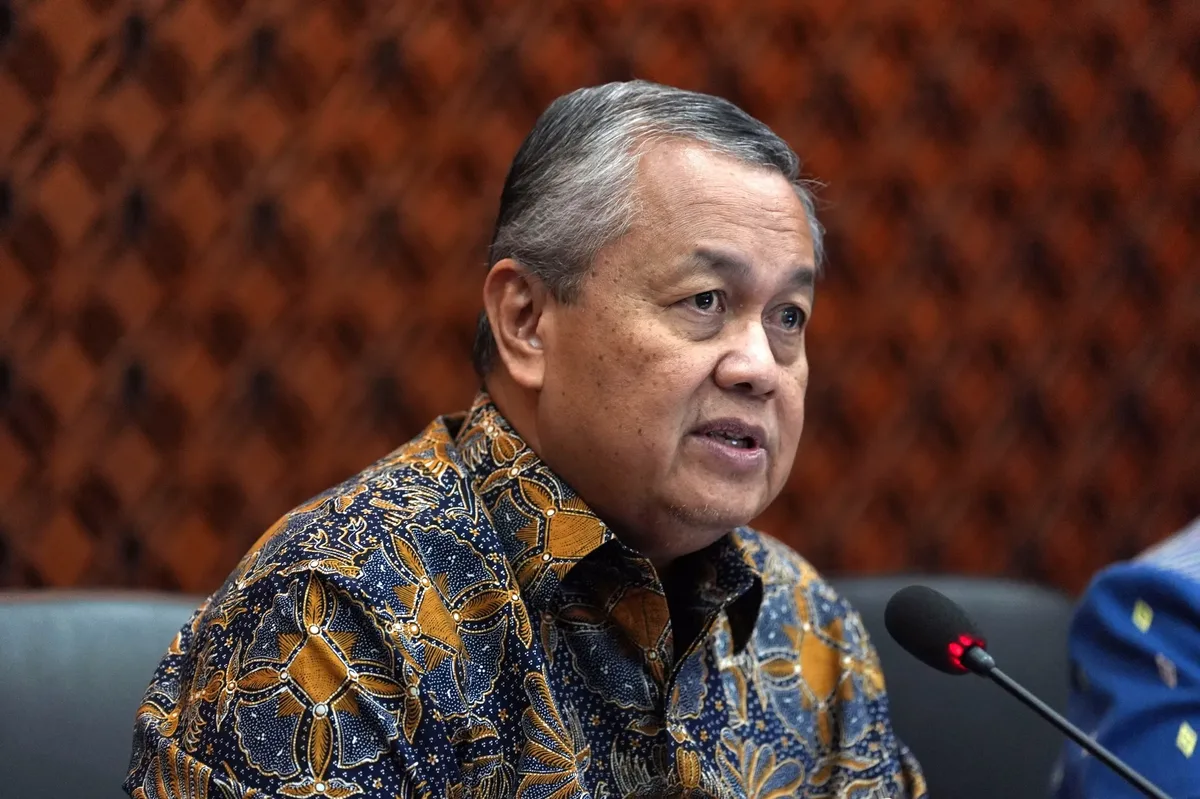
Investor confidence has waned due to concerns over Indonesia’s fiscal deficit, risks of credit rating downgrades, and shrinking trade surplus. The trade surplus nearly vanished in April 2026 as high imported oil and gas prices outpaced export gains [1, 2, 3, 10]. Inflation rose 3.08% year-on-year in May, exceeding Bank Indonesia’s 1.5%-3.5% target midpoint [1, 2, 3]. Bank Indonesia Governor Perry Warjiyo said authorities will maintain market liquidity and increase interest rates on government deposits to attract capital inflows [11].
President Prabowo Subianto, in office since October 2024, has pursued a populist and interventionist agenda, including expanding state control over commodity exports and channeling funds into a sovereign wealth fund [4, 5, 6, 8, 9]. Foreign investors have pulled billions from Indonesian bonds and equities amid economic and political risks [4, 5, 6, 8, 9]. "The big trade in Asia is sell Indonesia. I have zero exposure," said George Boubouras, head of research at K2 Asset Management [4]. Former JPMorgan strategist Henry Wibowo added that concerns over credit rating downgrades and rupiah weakness are pressuring stocks [1].
Yield on Indonesia’s 10-year government bond rose to 6.78% amid market uncertainty [10]. Andrey Wijaya from RHB Sekuritas Indonesia said a weaker rupiah fuels inflation fears, higher funding costs, and limits policy flexibility, prompting foreign investors to reduce holdings in equities and bonds [10]. Tang Yuxuan of JPMorgan Private Bank cautioned that domestic political uncertainty could keep global investors sidelined until predictability returns [4].
Finance Minister Purbaya Yudhi Sadewa stressed that Indonesia’s fiscal situation remains sound and said government and central bank policies will synchronise to preserve growth and stability [12]. On June 6, officials reiterated their commitment to stabilising the rupiah and attracting inflows, with Bank Indonesia raising interest rates on government cash deposits [11, 12].