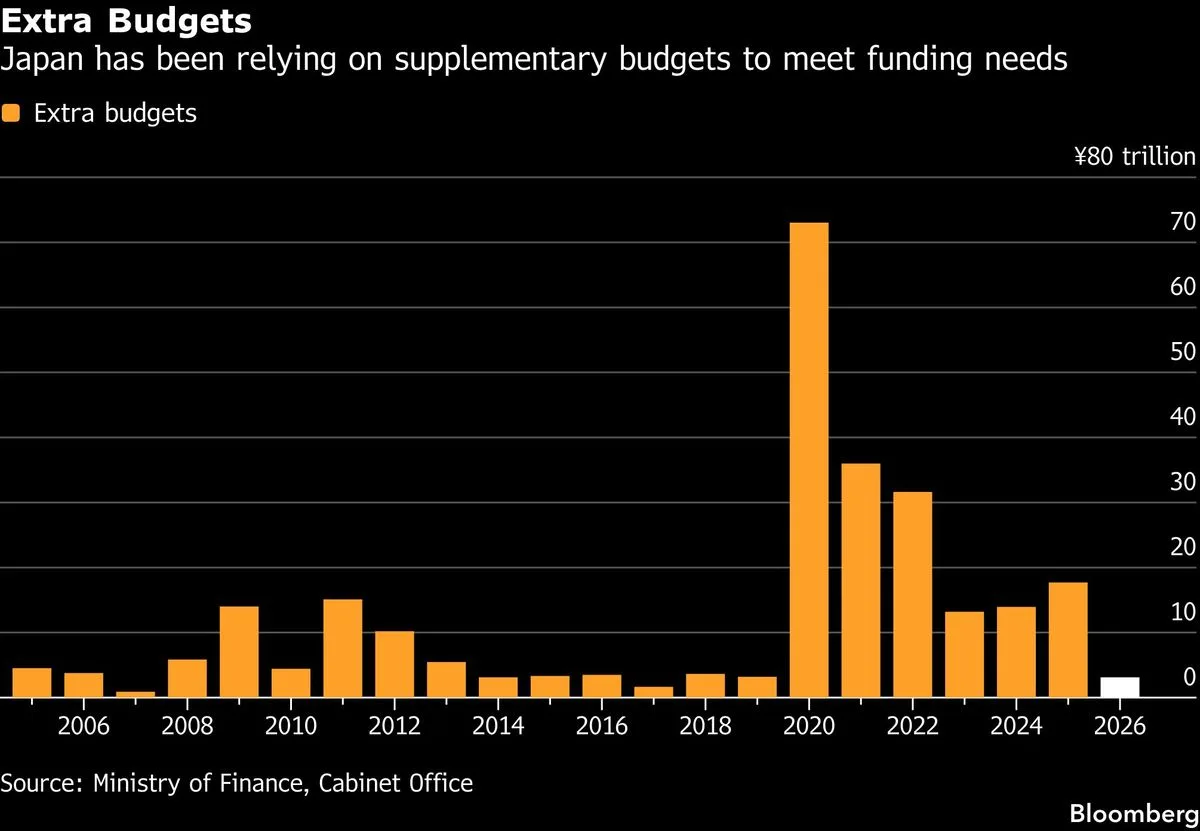
Japan’s cabinet finalized and approved a supplementary budget of about ¥3.1 trillion (roughly US$19.4-19.5 billion) for fiscal year 2026 on June 3 to help households and businesses cope with rising energy costs tied to instability in the Middle East [1, 2, 3, 4, 5, 6].
The budget creates a new reserve fund of ¥2.5 trillion dedicated to commodity price subsidies, including caps on gasoline and utility prices [2, 3, 4, 7, 5, 6]. It also replenishes existing contingency reserves by about ¥513.5 billion used for electricity and gas bill subsidies during summer months [7, 5, 6]. An additional ¥100 billion supports local grants for liquefied petroleum gas (LPG) users and businesses reliant on extra-high-voltage electricity [7, 5, 6].
The entire supplementary budget will be financed through deficit-financing bonds, offset by cancelling some bond issuances planned in the previous fiscal year. This will maintain total government bond issuance for the calendar year at approximately ¥183.8 trillion, avoiding an increase in the overall market supply [1, 2, 3, 4, 5, 6]. Cabinet Secretary Minoru Kihara said, "Although the budget will be funded entirely by borrowing, adjustments in total planned issuance are expected to prevent market impact, and we will work hard to pass the bill promptly" [5].
Prime Minister Sanae Takaichi emphasized the urgent need due to the prolonged Middle East conflict, stressing measures to minimize economic disruption. She said, "From the perspective of minimizing risks, we are fully preparing the necessary funds" [8].
Investor and bond markets reacted nervously, with government bond yields reaching three-decade highs in May 2026 amid inflation and monetary policy concerns, raising fears of weakened fiscal discipline. Some opposition lawmakers criticized the budget for increasing reserves without detailed policies, but those opposition motions were defeated in the Lower House vote on June 4 [1, 2, 3, 5, 8, 6, 9].
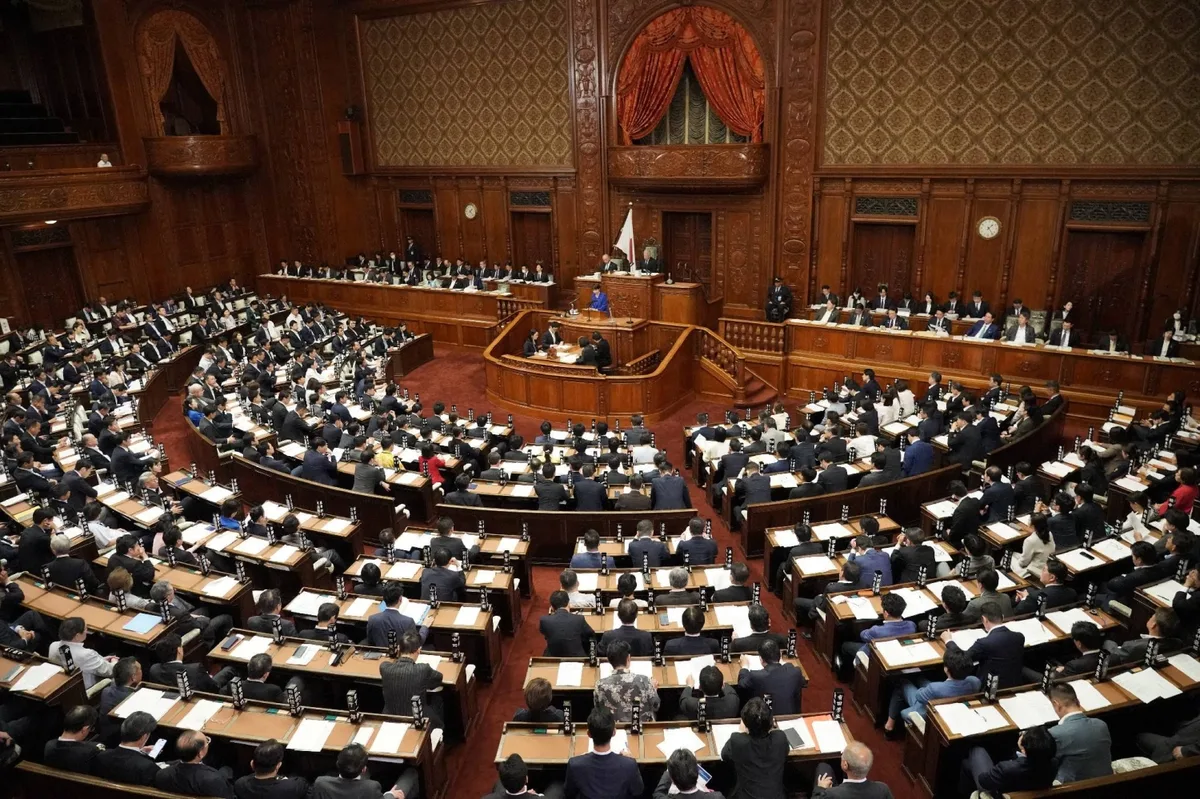
The Lower House passed the supplementary budget on June 4 with majority support from ruling and some opposition parties despite some criticism over lack of specific policy details [8, 9]. The Upper House is expected to approve the bill on June 5, leading to its enactment and implementation [1, 2, 5, 8, 9].
Subsidies will help cushion rising costs through the summer, aiding households and businesses dependent on Middle East imports for fuel and petrochemicals [1, 2, 3, 7].