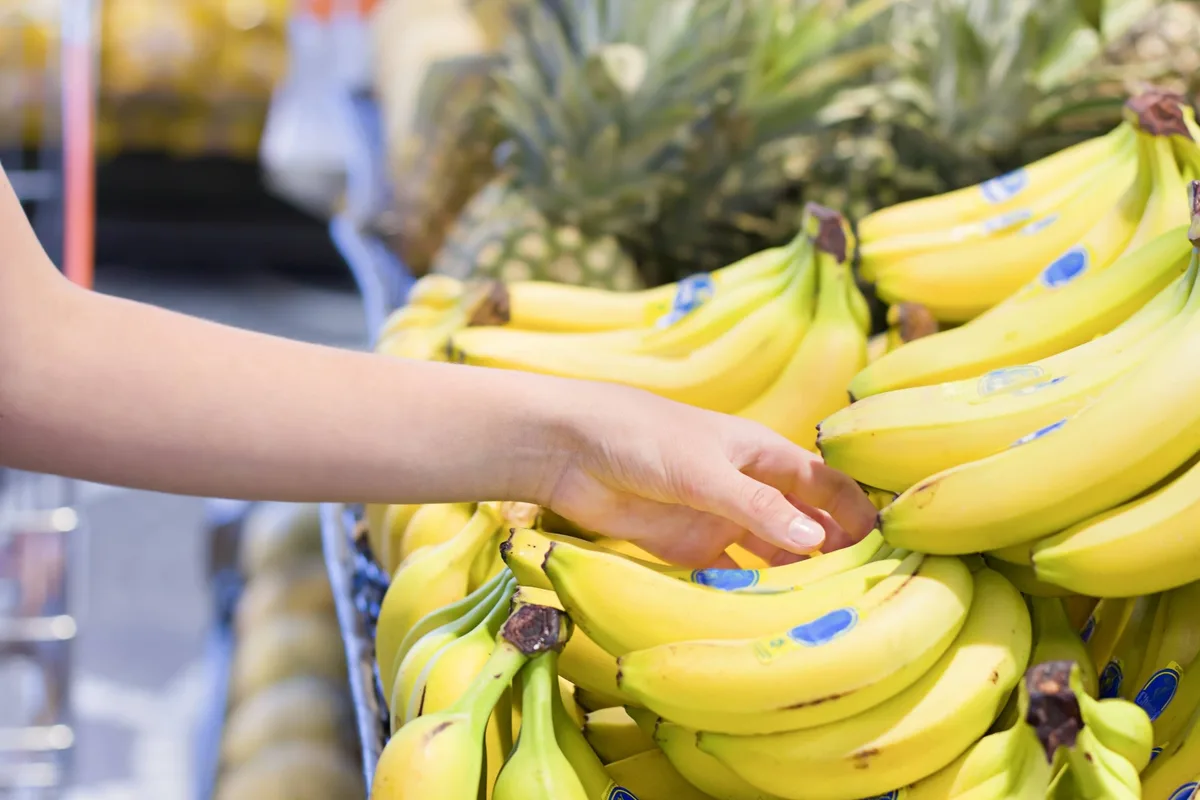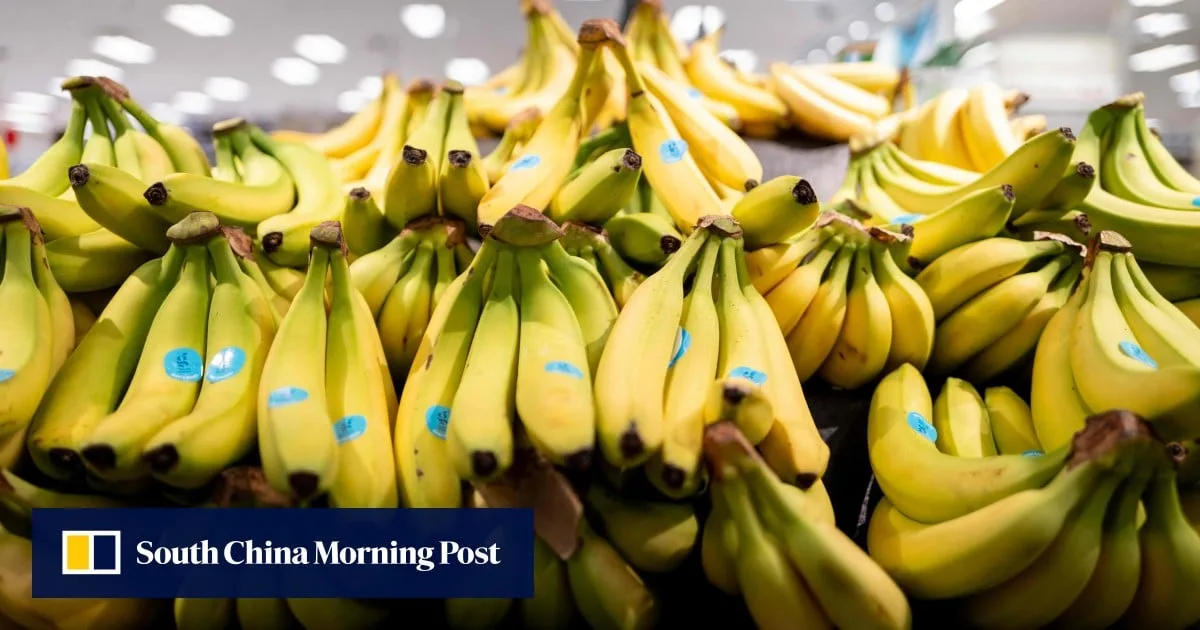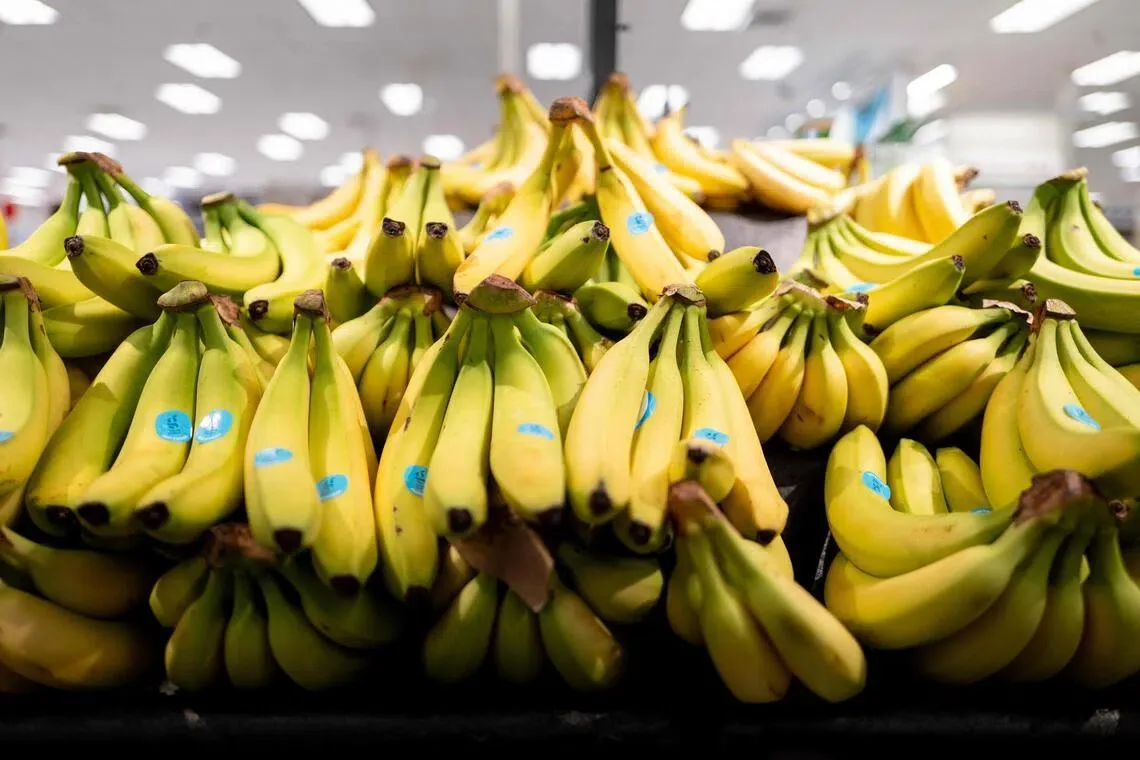
Japan imports about 1 million metric tons of bananas each year, making the fruit a key grocery staple for consumers [1, 2, 3]. These bananas arrive shipped green and are ripened domestically using ethylene gas derived from naphtha, a petroleum product [1, 2, 3].
The closure of the Strait of Hormuz has cut global petroleum supplies by 20%, causing a sharp drop in Japan's naphtha inventory, which has fallen approximately 25% so far in 2026 [1, 2, 3]. This represents the worst disruption to Japan's naphtha and ethylene supply in 50 years, creating a critical shortage of ethylene needed to ripen bananas [1, 2, 3]. Without sufficient ethylene, bananas do not soften or sweeten properly and will eventually rot [1, 2].
The impact on consumers is reflected in rising banana prices. Retail banana prices in Tokyo rose 4.4% in 2025 and have increased over 30% since 2022 [1, 2]. The average Japanese household spent about ¥5,200 on bananas in 2025 [1, 2]. Other fruits like avocados and kiwis also rely on ethylene for ripening but require less gas than bananas [1, 2].
Japan imports over 90% of its crude oil, making it highly vulnerable to maritime shipping disruptions such as the Strait of Hormuz closure [1, 2, 3]. While some banana importers have secured enough ethylene supplies to last two to three months, the overall shortage poses risks to supply stability [1, 2].
Eiji Akashi, Secretary General of the Japan Banana Importers Association, acknowledged the challenges but expressed efforts to maintain supplies: "Prices may rise, but we’re doing everything we can to avoid shortages. The entire banana industry is committed to doing everything it can to maintain stable supplies" [1].
The naphtha inventory drop and resulting ethylene scarcity are expected to continue affecting banana ripening capacity throughout 2026, with importers closely monitoring the evolving petroleum supply situation linked to the Strait of Hormuz closure [1, 2, 3].