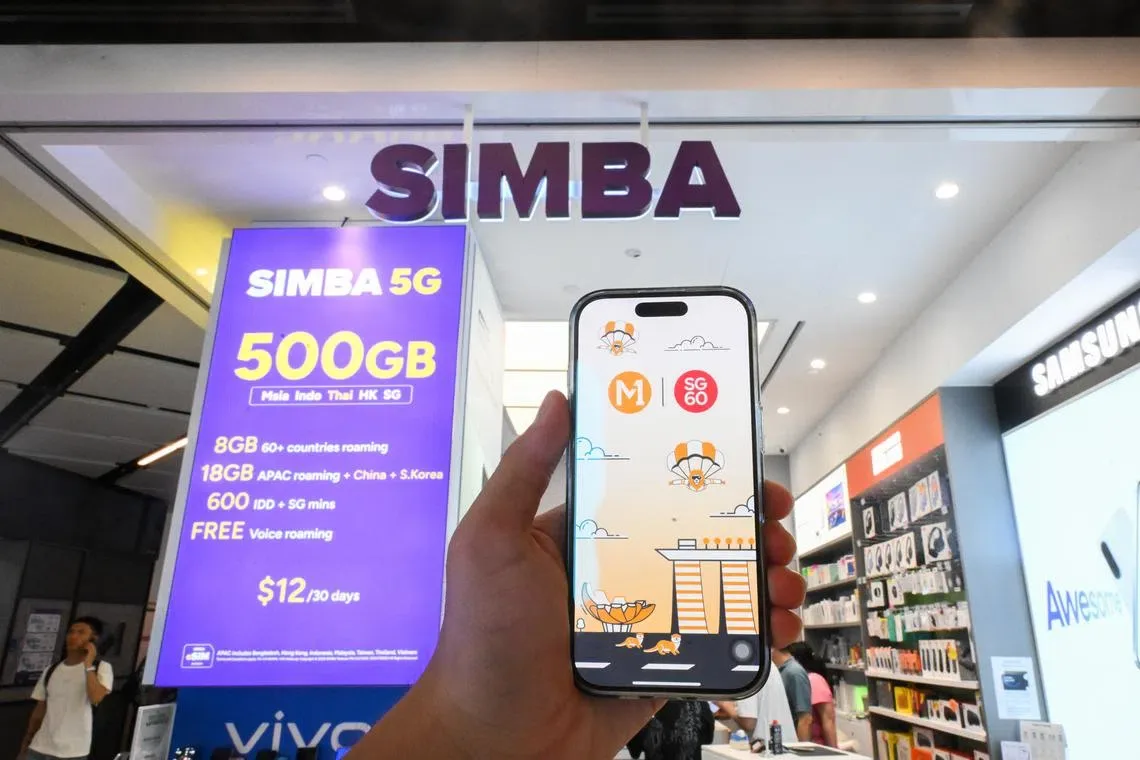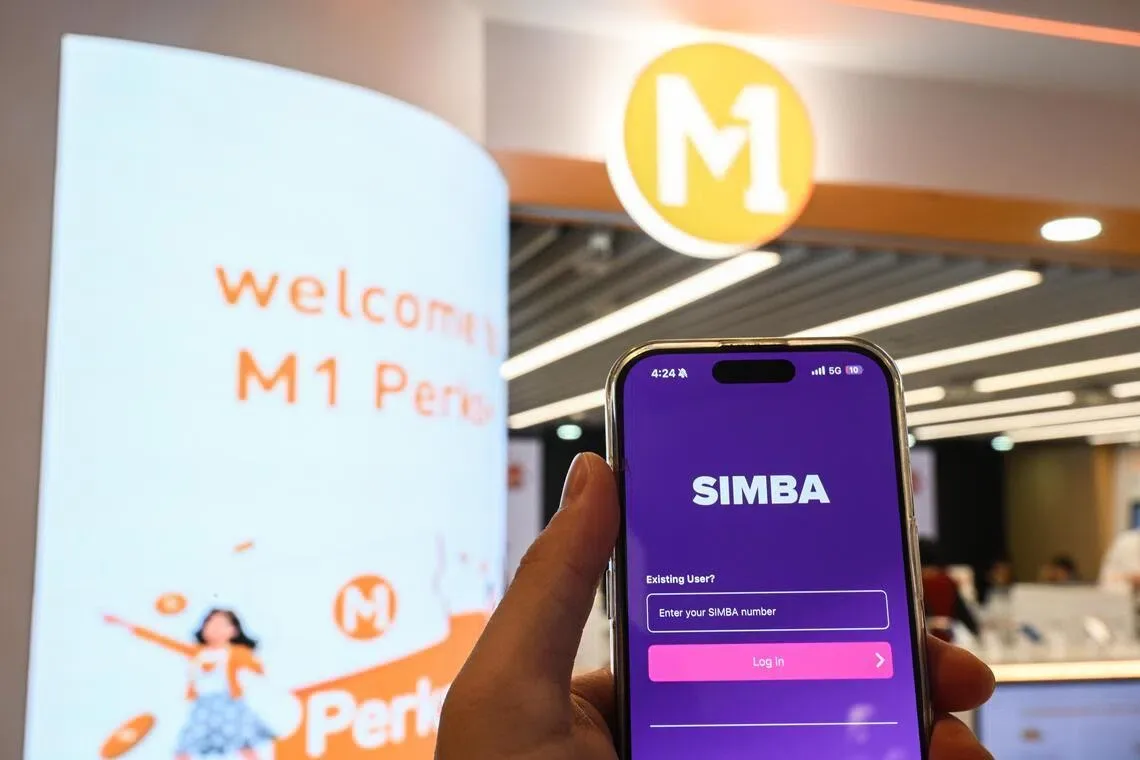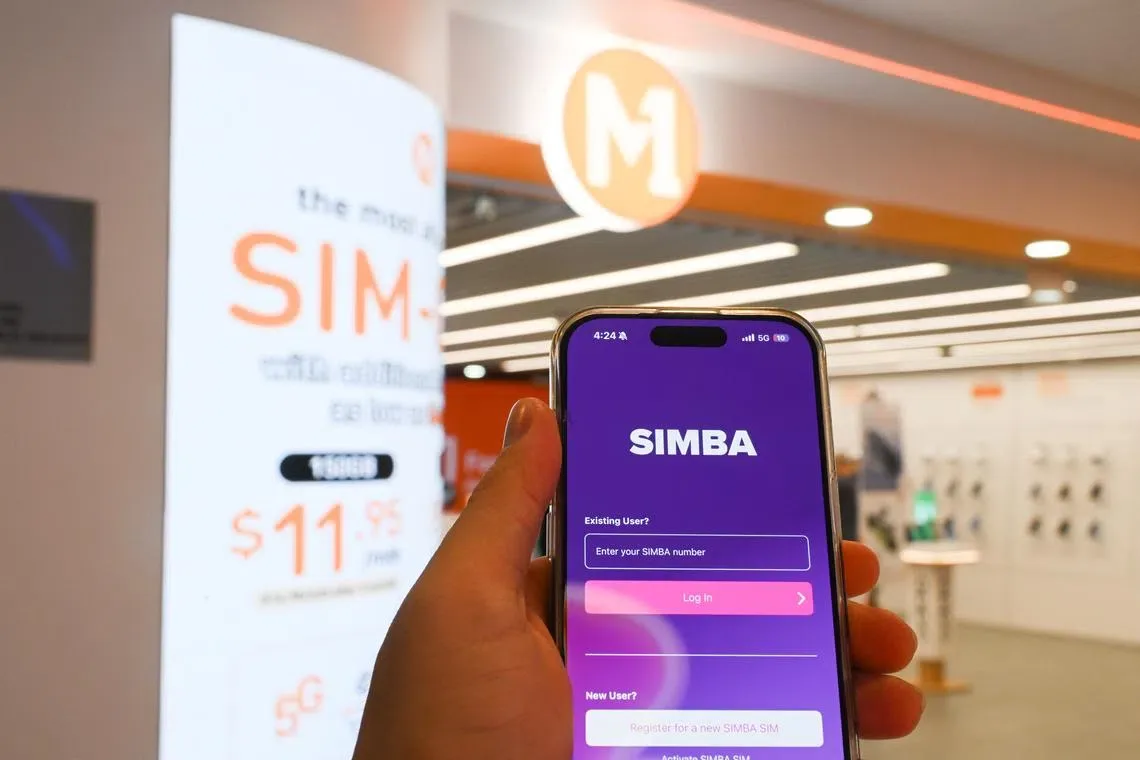
Keppel Holdings allowed the sale and purchase agreement with Simba to lapse on its long-stop date of May 21, 2026, after the Infocomm Media Development Authority (IMDA) suspended its review of the deal earlier this month [1, 2, 3]. IMDA halted its assessment on May 18 due to an ongoing investigation into potential unauthorised use of radio frequency bands by Simba, which the regulator said would breach the Telecommunications Act and Simba’s operating licence conditions [1, 2, 4].
The proposed $1.43 billion sale of M1 to Simba was first announced in August 2025 as an all-cash deal [2, 5, 4]. Keppel extended the long-stop date from March to May 21 but confirmed on May 18 it would not seek to extend it further and would allow the deal to lapse when the deadline arrived [1, 2, 3]. Keppel CEO Loh Chin Hua said, "We will allow the share purchase agreement with Simba to lapse when the long-stop date comes up later this week on May 21" and added there are no current plans for legal action over costs against Simba’s parent, Tuas Limited [1, 2].
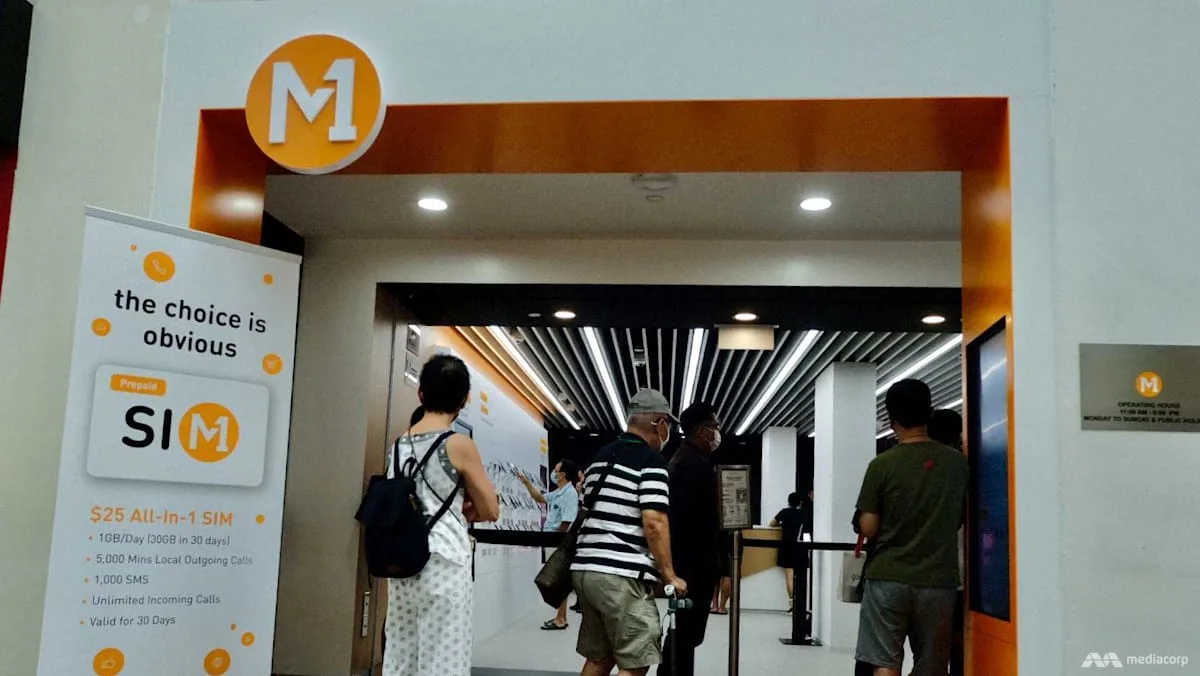
Following the lapse, Keppel said it would focus on restructuring M1 to strengthen competitiveness, with a 90-day plan emphasizing rightsizing, cost optimisation, AI automation, and product streamlining [1, 2, 5, 3]. M1 has 2.29 million mobile subscribers as of May 2026 [5]. The telco’s CEO Manjot Singh Mann said, "There will be no more capex required for 5G deployment, it’ll be more on operations and maintenance" [5]. Keppel plans to defer M1’s monetisation by about one to two years but will continue to monetise other non-core assets valued between S$2 billion and S$3 billion in 2026 [2, 3].
Shares of Keppel fell about 4.6% to 5% on May 18 after the suspension announcement, reflecting a market loss of over S$900 million in market capitalization [6, 7, 8, 9]. Tuas Ltd, Simba’s parent listed on the Australian Securities Exchange, plunged over 60% on the same day [7, 10, 8, 9].
Market analysts said the failed merger delays consolidation in Singapore’s telecommunications sector, prolonging intense competition and margin pressure among the four-player market. OCBC analyst Chu Peng said, "A merger would have been structurally positive for the industry. Without it, competition among the telco operators is unlikely to ease, which will continue to weigh on the earnings outlook of their Singapore telco businesses" [11, 12]. Maybank’s Hussaini Saifee added, "The Singapore market is suffering from high single-digit to double-digit revenue declines, and therefore too small and crowded to sustain four telco players" [12].
The long-stop date of May 21 marked the official end of the M1-Simba merger deal, with no extension or further attempts to revive the agreement [1, 2, 5, 3].