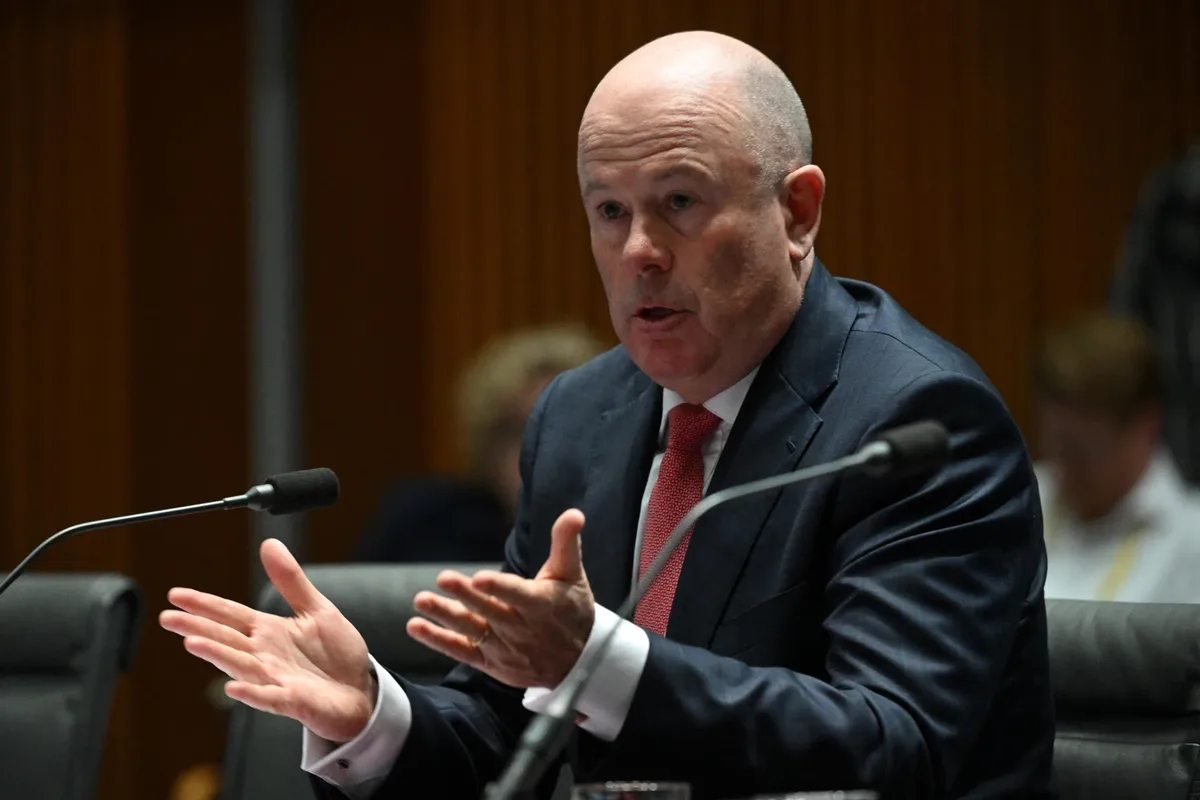
More than 30 people, including current and former senior KPMG staff, clients, lawyers, and board members testified at a parliamentary hearing in Canberra on June 19 about ethics and accountability within KPMG Australia [1, 2, 3, 4].
KPMG is accused of misusing confidential information taken from property developer Lendlease Group to win contracts with other major clients, including Westpac Banking and Dexus [2, 3, 4]. Lendlease chair John Gillam said the misuse caused disruption and extra costs while trying to understand the matter. He described it as “a fundamental breach of trust” involving a “grave misuse of access privilege” by a few senior people [3].
Amid the growing controversy, Andrew Yates resigned as KPMG Australia’s CEO last month. He testified at the hearing and said, “I have taken accountability for the things that did not go right” and acknowledged the firm is “large, complex” and “fallible” [3, 4].
KPMG admitted it mishandled a whistleblower complaint related to the allegations and acknowledged its internal investigation lacked rigour [2, 3, 4].
The scandal follows PwC Australia’s 2023 ban from bidding on new government contracts and sale of its consulting business after a data leak scandal [2, 3, 4]. Like PwC, KPMG operates as a partnership regulated by state laws. This structure exempts it from some reporting and oversight rules of the Australian Securities and Investments Commission [2, 4].
Greens Senator Barbara Pocock called for splitting audit and consulting businesses of firms like KPMG and PwC. She proposed freezing KPMG’s 297 government contracts worth A$653 million while investigations continue. Pocock said, “The PwC scandal and now the KPMG scandal really raise questions about the systemic regulation of these very large partnerships. Their leadership and their culture have been exposed as open to unethical practices and really poor treatment of whistleblowers” [2, 4].
On June 15, KPMG agreed not to bid for new federal government contracts for three months while the government reviews the matter [2].
The parliamentary hearing marks a significant stage in ongoing scrutiny of KPMG Australia as regulators, lawmakers, and clients seek accountability and reforms.