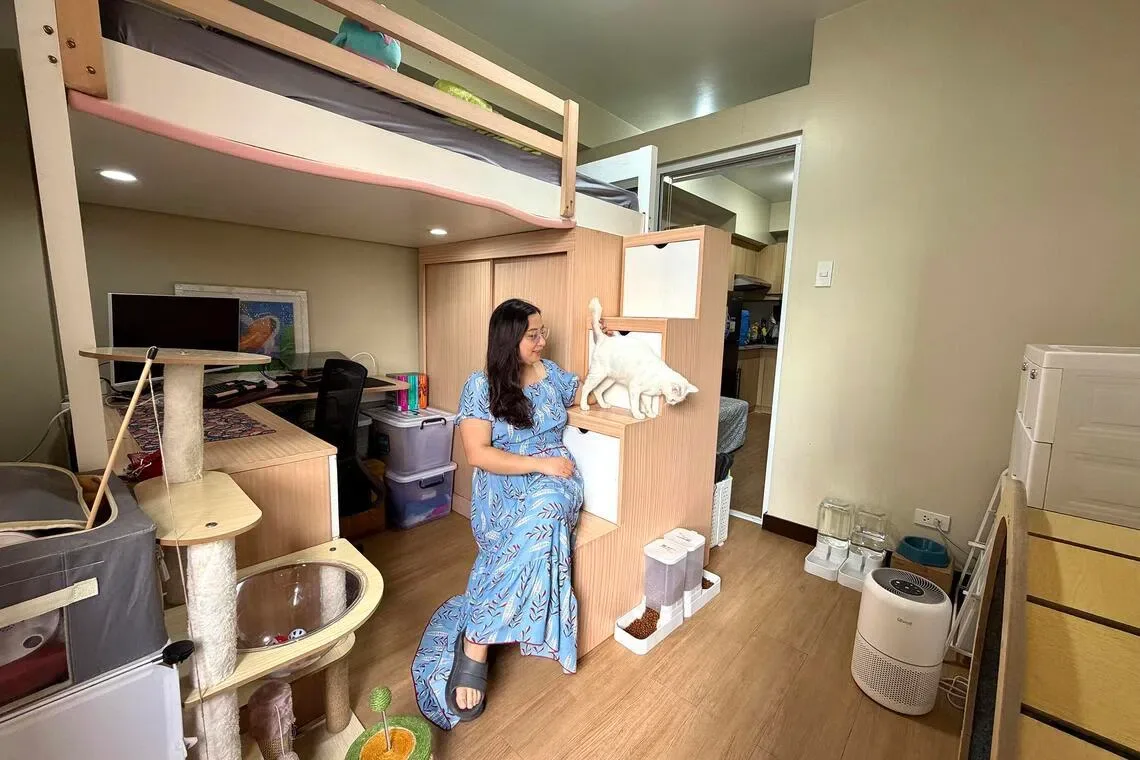
Dayanara Lim signed a rent-to-own agreement in 2024 for a 30 sq m, one-bedroom condominium in Metro Manila, paying 25,000 pesos monthly for two years. She aimed to secure a bank loan to complete the purchase but failed and moved to a smaller rented flat at 18,000 pesos per month in May 2026 [1, 2, 3, 4, 5].
Lim said, “You have to sacrifice your lifestyle. You have to hustle. It’s not easy, but it’s doable. But this is already from someone earning more than the average Filipino income.” She remains hopeful about homeownership, adding, “It’s just a matter of where. And who I’m with when I do it” [1].
In 2024, the average monthly income in the Philippines was 21,544 pesos, while Metro Manila’s average was higher at 29,310 pesos [1, 2, 3, 4, 5]. Rent-to-own schemes require buyers to make monthly payments for two years as part of a down payment. After that, buyers must secure bank loans to pay the remainder or risk losing their investment. These payments often exceed market rents, causing financial strain for those who cannot proceed to full ownership [1, 2, 3, 4, 5].
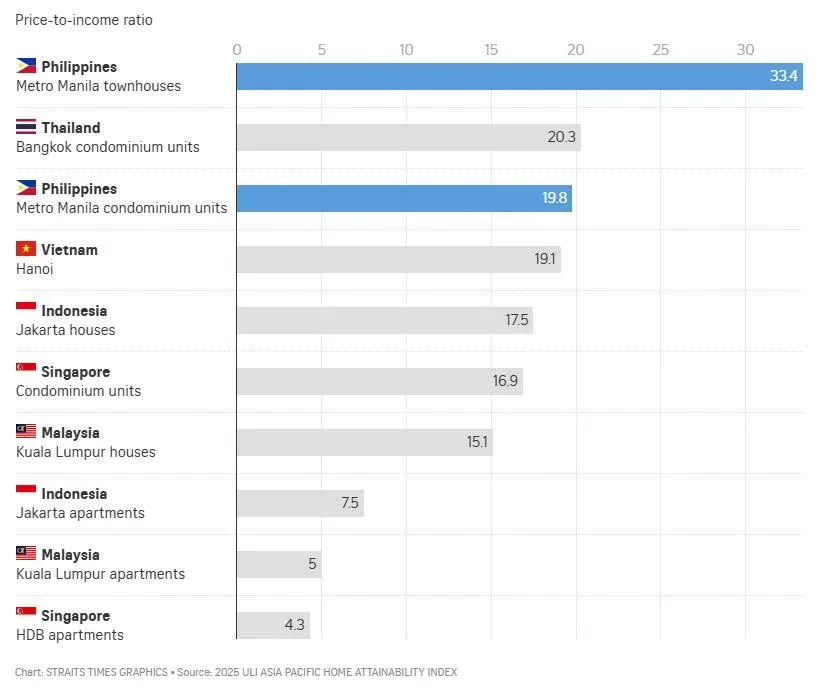
Condominium prices in Metro Manila in 2024 were 19.8 times the median annual household income, making homes unaffordable for most residents [1, 2, 3, 4]. The Urban Land Institute’s 2025 report says median home prices should not exceed five times median income, and rent should be capped at 30% of monthly income to be affordable [1, 2, 3, 4, 5].
The Economist labeled Manila one of the world’s most unaffordable housing markets in March 2026 [1, 2, 3, 4, 5]. Developers have historically targeted wealthy investors rather than average buyers, contributing to the shortage of affordable homes [4]. Government programs exist but struggle due to high mortgage rates, stagnant wages, and systemic barriers [4].
Lim’s experience epitomizes the challenges many Filipinos face amid a housing market out of reach for most. After failing to buy through rent-to-own, she downsized her living situation, a step mirrored by many in Metro Manila. Her story highlights the financial sacrifices involved and the difficulty in bridging rental and ownership gaps in the Philippine capital today [1, 2, 3, 4, 5].