The ongoing war in the Middle East involving US and Israel against Iran has disrupted global energy supply chains and rattled financial markets worldwide [1, 2, 3, 4, 5]. The conflict has severely strained supplies through the Strait of Hormuz, a critical chokepoint for oil and gas shipments [1, 2, 3, 4, 5]. Global crude inventories are being drawn down at a record pace due to major supply losses in this area [3, 4, 5].
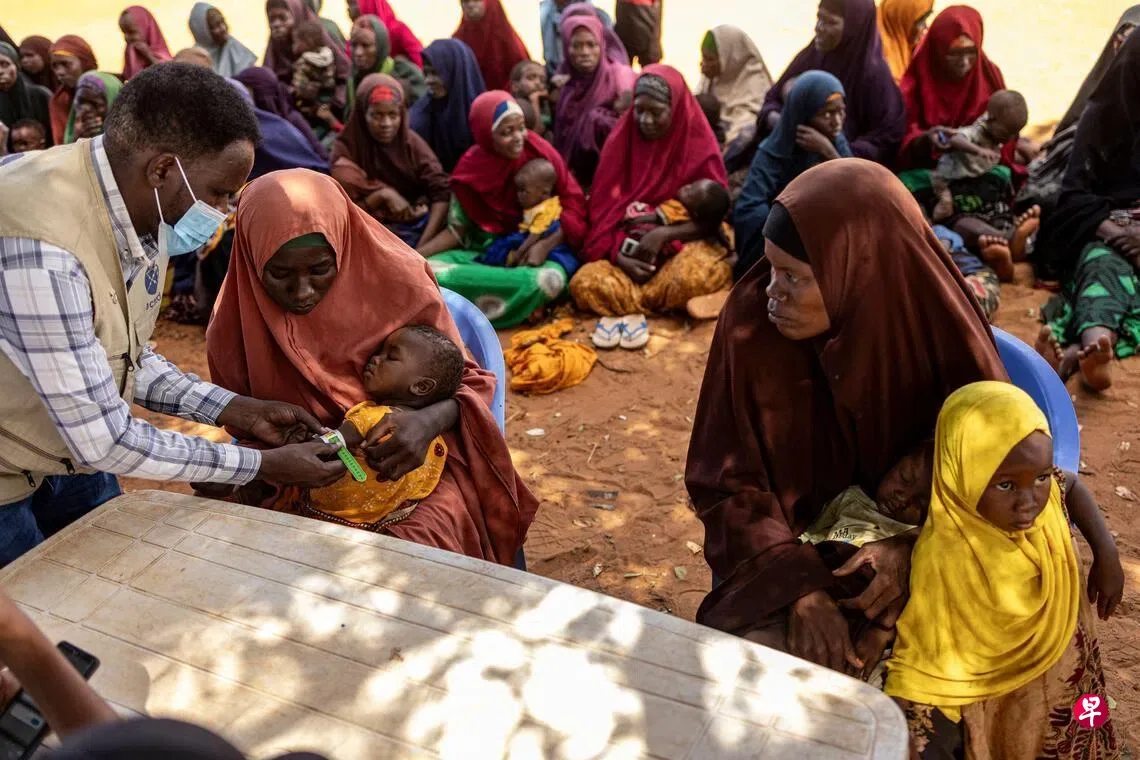
Leaders from the IMF, World Bank, IEA and WTO issued a joint statement warning, "If shipping flows do not return to normal, continued rapid depletion of global oil inventories ahead of peak summer oil demand in the Northern Hemisphere would present increasing risks for fuel security, market conditions, and broader economic resilience" [1]. This comes as energy prices surge, hitting poorer and vulnerable countries hardest and raising concerns around fertilizer costs amid the planting season [5].
Fatih Birol, IEA Director, said, "We are facing the largest energy security crisis in world history. I believe it will reshape global investment strategies, with impacts comparable to the major energy changes following the 1970s oil crisis" [6]. Despite high oil prices, investment in oil is set to fall below $500 billion in 2026 for the third year running due to uncertainty and project limitations outside the Middle East [6].
Overall global energy investment is forecast at $3.4 trillion in 2026, slightly up from last year. Around $2.2 trillion will target grids, storage, low-emission fuels, nuclear, renewables and efficiency. Oil, gas and coal will receive about $1.2 trillion [6]. Natural gas investment is expected to reach a 10-year high of $330 billion, led by LNG export projects in the US and Qatar [6]. Renewable energy investment will total approximately $665 billion, with solar alone accounting for $365 billion. Nuclear power is projected to exceed $80 billion annually, while coal investment will hit $180 billion, its highest in a decade [6].
The IMF estimates vulnerable economies may need $20-50 billion in financial support due to the conflict’s fallout [4, 5]. Bangladesh has requested an assistance package and is negotiating with the IMF [4, 5]. The war has particularly impacted countries dependent on Gulf oil and gas imports, including much of South and Southeast Asia [4, 5]. IMF Chief Kristalina Georgieva said, "The war had forced a paring of the global growth forecast" [4].
On May 28-29, heads of the IMF, World Bank, IEA and WTO met to coordinate economic responses to the conflict’s impact [6, 1, 2, 3]. On May 31, global agencies reiterated warnings about risks to summer fuel security if the Strait of Hormuz remains closed [5].