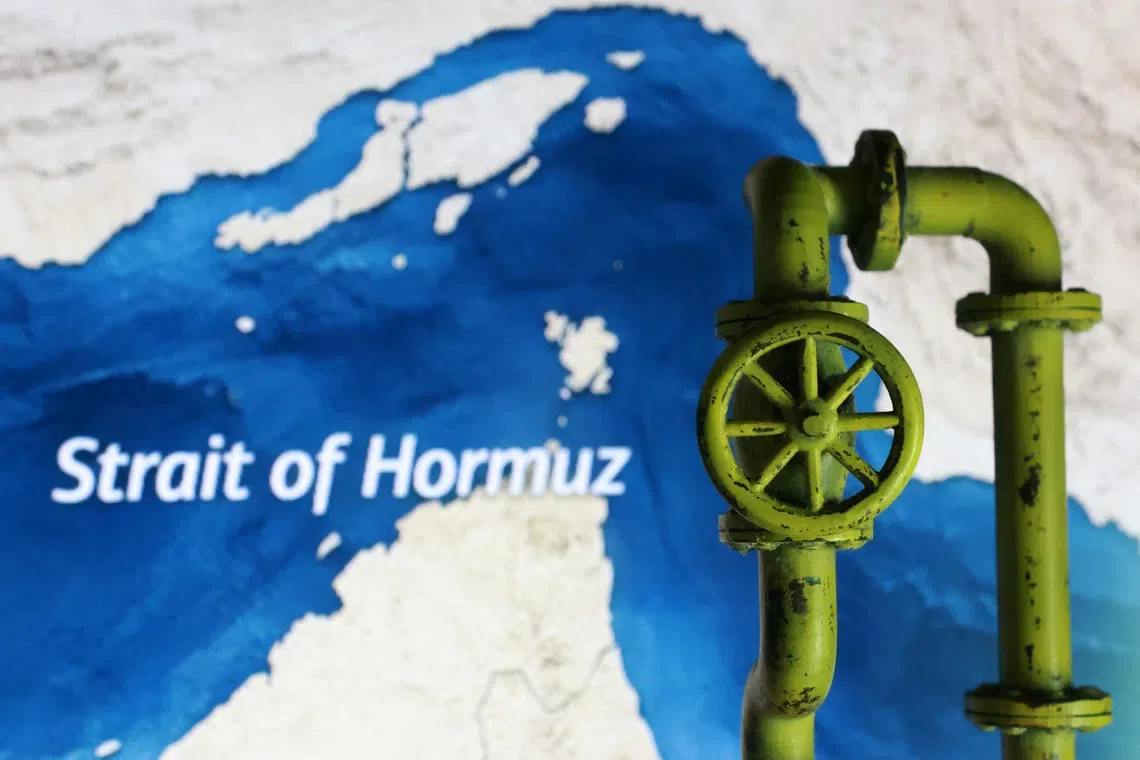
Approximately 45 million barrels per day of oil, over 43% of the global supply based on 2025 output, now come from countries affected by ongoing conflicts including Iran, Russia-Ukraine, Libya, Venezuela, and Kazakhstan [1, 2, 3]. The Iran war, triggered six months ago by US and Israeli attacks, has set off the largest recorded oil supply crisis with no clear resolution in sight [1, 2, 3].
The war has disrupted Gulf oil flows by an estimated 5 to 7 million barrels per day as Saudi Arabia reroutes shipments and relies on secret export routes out of the Strait of Hormuz [1, 2, 3]. Attacks near the Red Sea and Egypt's Suez Canal in July 2026 further raised risks to vital oil transport pathways [1, 2, 3].
Meanwhile, the Russia-Ukraine war has forced cuts in production and refining capacity, affecting Russia and neighbouring Kazakhstan [1, 2, 3]. Ukraine has targeted many Russian refining plants, including one in Omsk, located 2,700 km from Ukrainian-controlled areas [1, 2, 3]. Russia has faced fuel shortages and responded by banning gasoline and diesel exports, tightening global fuel markets [1, 2, 3].
Ongoing conflict in Libya and US restrictions on Venezuelan oil exports have added to supply strains [1, 2, 3]. Overall, global refining capacity has declined about 10% due to the combined impact of the Gulf conflicts and the Russia-Ukraine war [1, 2, 3].
Surging fuel prices have fueled inflation and pushed US national debt to a record $40 trillion [1, 2, 3]. US diesel prices have reached historic highs despite refiners operating at or near peak capacity [1, 2, 3]. The International Energy Agency released record volumes from emergency stockpiles to ease the shock, but these releases are nearly complete while global inventories continue to fall [1, 2, 3].
The Iran war began in February 2026 with US and Israeli attacks and sparked the biggest oil supply crisis on record [1, 2, 3]. Attacks on routes near the Red Sea and the Suez Canal in July exposed ongoing vulnerability to disruption [1, 2, 3]. The coming months will likely see continued uncertainty in global oil markets as these conflicts persist.