The Philippines became the world’s largest importer of solar panels from March through May 2026, spending $407 million on solar equipment. This represents a 145% year-on-year increase since the Middle East conflict began in late February 2026, which triggered electricity price hikes across the country [1, 2, 3].
The country’s main power distributor, Meralco, raised electricity rates by 10% since the conflict started. This has put additional pressure on households, which already spend about 12% of their monthly income on electricity assuming an average 200 kWh consumption for a family of three [1, 2, 3].
Residential power prices in the Philippines rank among the highest in Southeast Asia, with minimal government subsidies. Only Singapore has similar rates, but its citizens have roughly 13 times greater purchasing power [1, 2, 3].
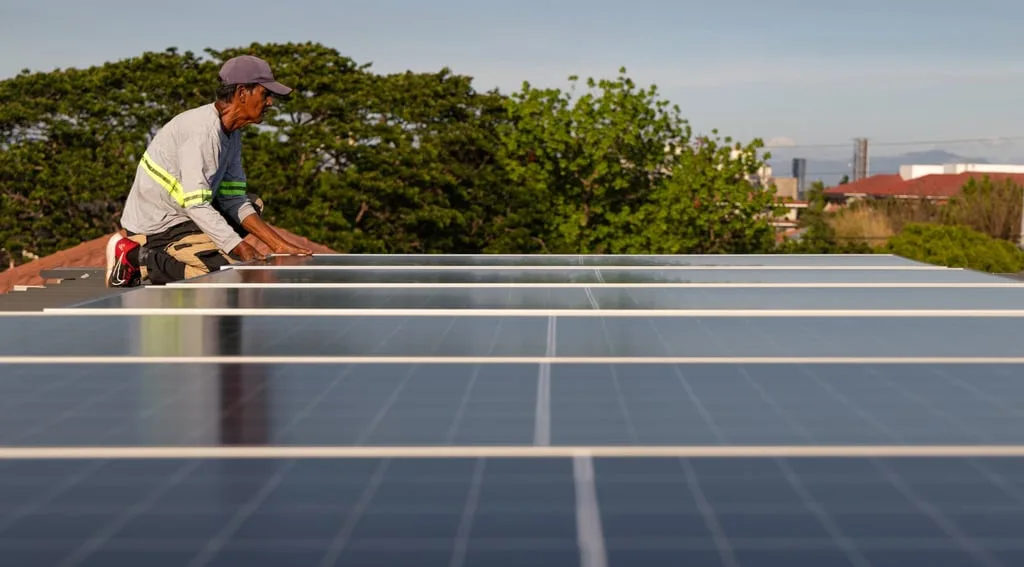
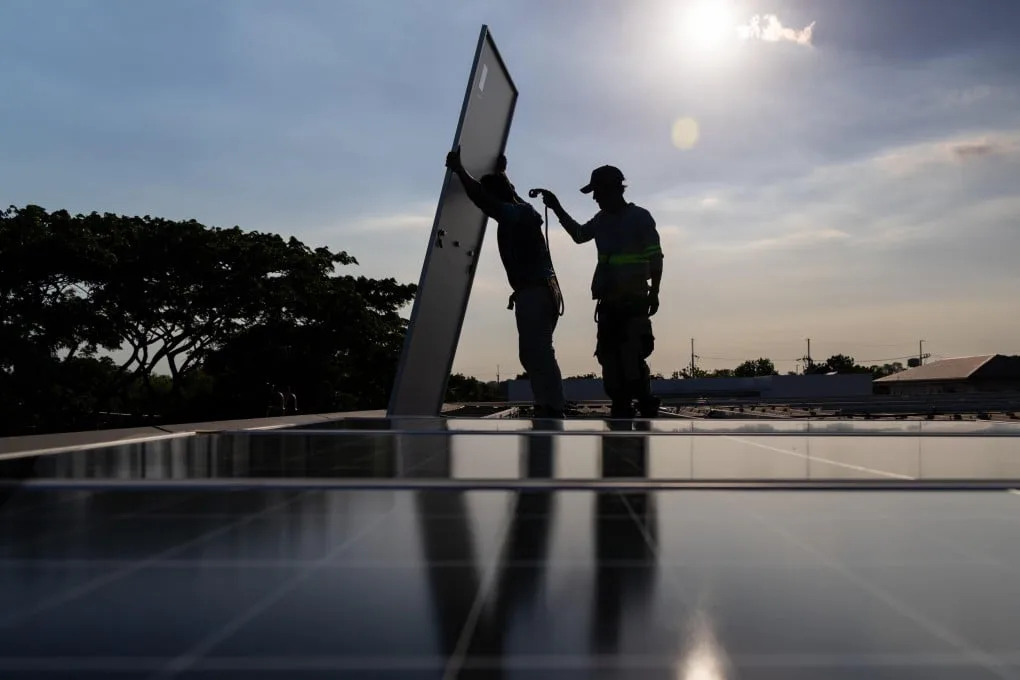
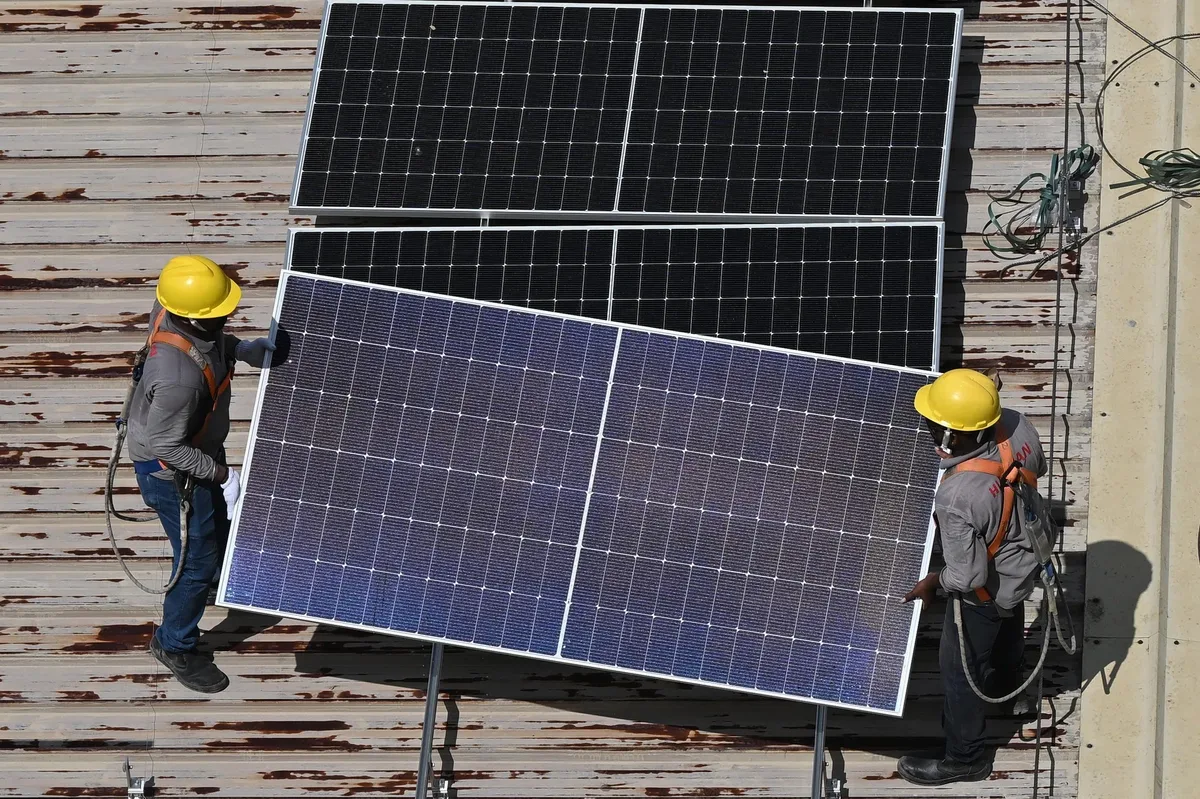
The sharp electricity cost increase has driven a surge in rooftop solar adoption among middle-class Filipinos. Software engineer Adrian Sabatera recently installed a 570,000 peso ($9,300) rooftop solar system. Sabatera said, "I wouldn’t be shocked if a third of the middle-class population eventually finds their way to this setup" [1].
Despite an overall 13% drop in Chinese solar panel shipments in May after a tax rebate ended, exports to the Philippines rose by nearly a third. Manila-based installer Philergy German Solar reported more than 2.5 times the customer inquiries in the first five months of 2026 compared to last year, with demand peaking at 3,000 inquiries a day. Company representatives noted that "customers are deciding to buy much faster than before," driven by high electricity prices [1, 2, 3].
Distributed solar capacity in the Philippines could nearly triple to 3,500 megawatts within two years, approaching the size of the country’s current utility-scale solar fleet. Loan payback periods for rooftop systems are expected to fall from four years to 3.1 years, boosting affordability and adoption [2, 3].
Solar still accounts for under 4% of the nation’s total power consumption, leaving room for significant growth [3]. Although the Netherlands ranks higher on paper as a solar panel market, this mostly reflects its role as a transshipment hub rather than local demand [2, 3].
The Middle East conflict that began on February 28, 2026, set off the chain of events leading to the electricity price surge and increased solar imports. The Philippines’ solar imports figure from March to May represents the largest global spending over that period, surpassing other countries affected by the same geopolitical shifts [2].