Singapore saw around 1.26 million tonnes of Russian fuel oil arrive in April 2026, the largest monthly volume since April 2025 [1, 2, 3, 4, 5]. Shipments from Russia rose sharply from 160,155 barrels per day in February to 273,565 barrels per day in April 2026 [1, 2, 3, 4, 5].
The surge follows the US and Israel launch of an attack on Iran on February 28, 2026, which disrupted fuel oil supplies from the Middle East, a region that normally supplies 15 to 25 percent of Singapore’s fuel oil inflows [1, 2, 3, 4, 5]. Asia-Pacific fuel oil pricing lead at Argus Media, Ms Tng Yong Li, said the increase "has been driven higher as the Iran war cut off fuel oil supplies from the Middle East"
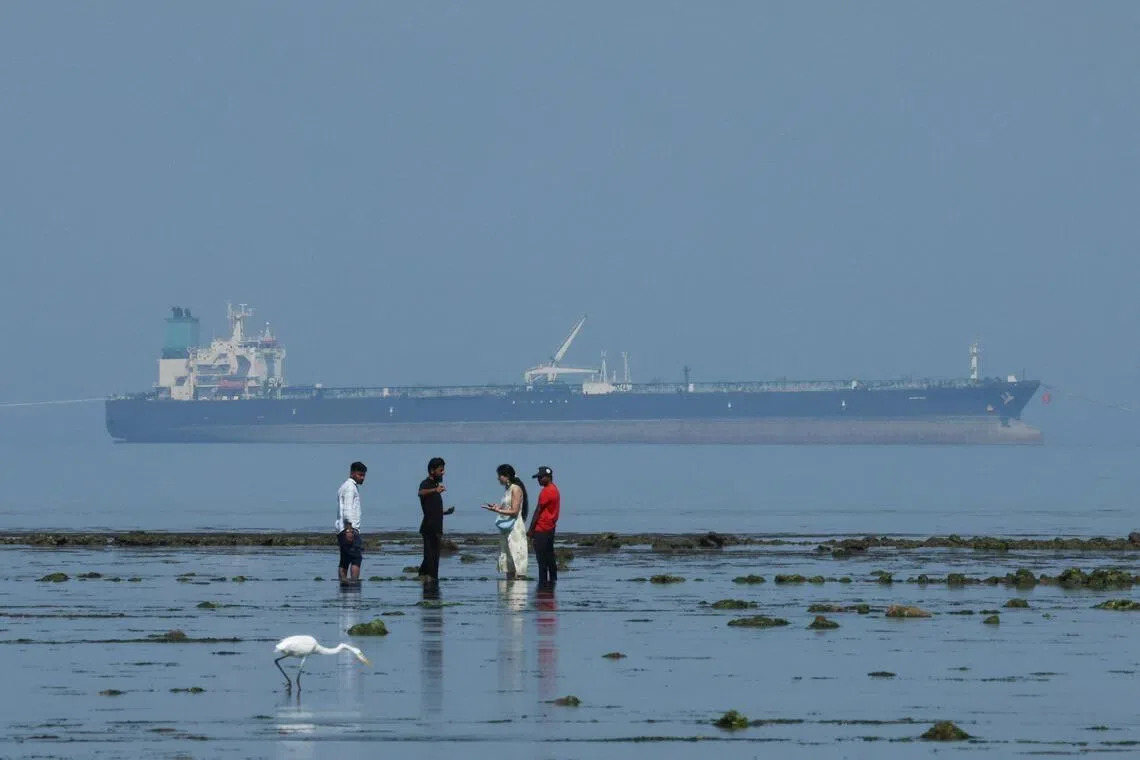
Russian fuel oil typically takes one to two months to reach Singapore waters, meaning some April cargoes were loaded before the Middle East conflict began [1, 2, 3, 4, 5]. The imports mainly consist of low sulphur fuel oil (LSFO), used primarily as bunkering fuel for ships [1, 2, 3, 4, 5].
Singapore is the world’s largest bunkering hub, with annual bunker sales more than five times those of Rotterdam, the second largest [1, 2, 3, 4, 5]. According to Ms Lin Ye, vice-president of oil markets at Rystad Energy, "Russian fuel oil is typically blended into bunker fuel in Singapore and then either serves the regional market or is re-exported (further away)."
The Singapore Ministry of Trade and Industry stated that "business interactions with Russian entities, including the importation of Russian oil supplies are not prohibited, unless they relate to products or financial transactions that fall under the sanctions imposed by Singapore" [1]. Singapore imposes targeted sanctions on some Russian banks and exports but allows general imports of Russian oil supplies.
The spike in Russian fuel oil arrivals reflects Singapore’s role as a key marine fuel hub adapting to shifts in global supply caused by the Middle East conflict. The Ministry of Trade and Industry confirmed the volume increase does not breach existing sanctions policies [1].