SATS achieved a record revenue of 6.35 billion Singapore dollars in the financial year 2026, marking a 9% increase from the previous year [1, 2]. The growth was largely driven by gateway services, which accounted for 4.95 billion dollars or about 78% of total revenue. Gateway services revenue rose 10.8% compared to FY2025 [1, 2].
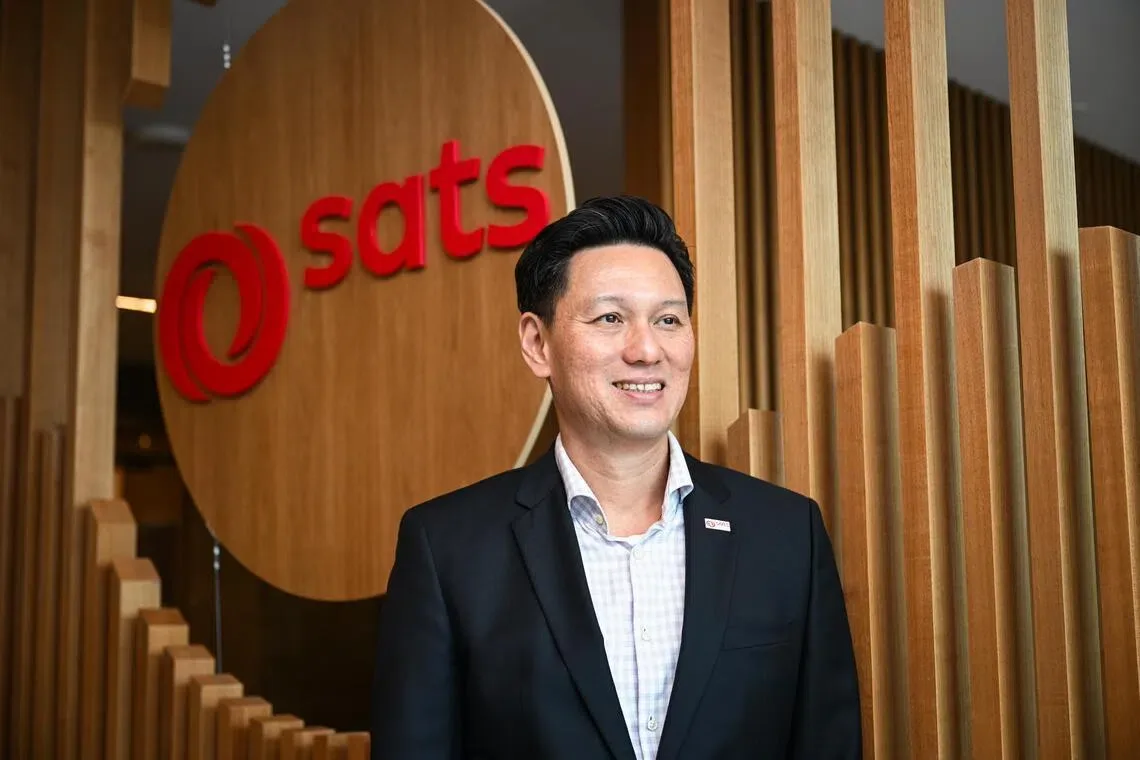
The company operates in 225 locations across 27 countries [1, 2]. The Middle East conflict disrupted global supply chains, causing air cargo to be rerouted through alternative hubs, including Singapore. SATS president and CEO Kerry Mok said, "Cargo flows to the path of least resistance" as the crisis shifted cargo volumes [1].
SATS had prepared for such an increase through long-term capacity planning and investments. In August 2025, it opened the Bulk Unitisation Programme Handling Centre at Changi Airport to speed up outgoing air cargo processing [1, 2]. The company's ground staff quickly adapted, increasing night shift manpower to stabilize operations within a week of the cargo surge [1, 2]. Mok commented, "Resilience is created during peacetime. When we plan our capacity, it’s always about looking ahead. When something like this happens, you need to have the capacity. If you don’t have it, then you’ll be in trouble" [1].
Reconstruction efforts in the Middle East drove demand for industrial equipment and supplies flown from the U.S., handled by SATS subsidiary Worldwide Flight Services [1, 2].
The FY2026 financial year ran from April 1, 2025, to March 31, 2026, encompassing the period of record revenue and strategic operations [1, 2]. CEO Mok detailed SATS’s response to the crisis and operational performance in an earnings briefing on May 26, 2026 [1, 2].