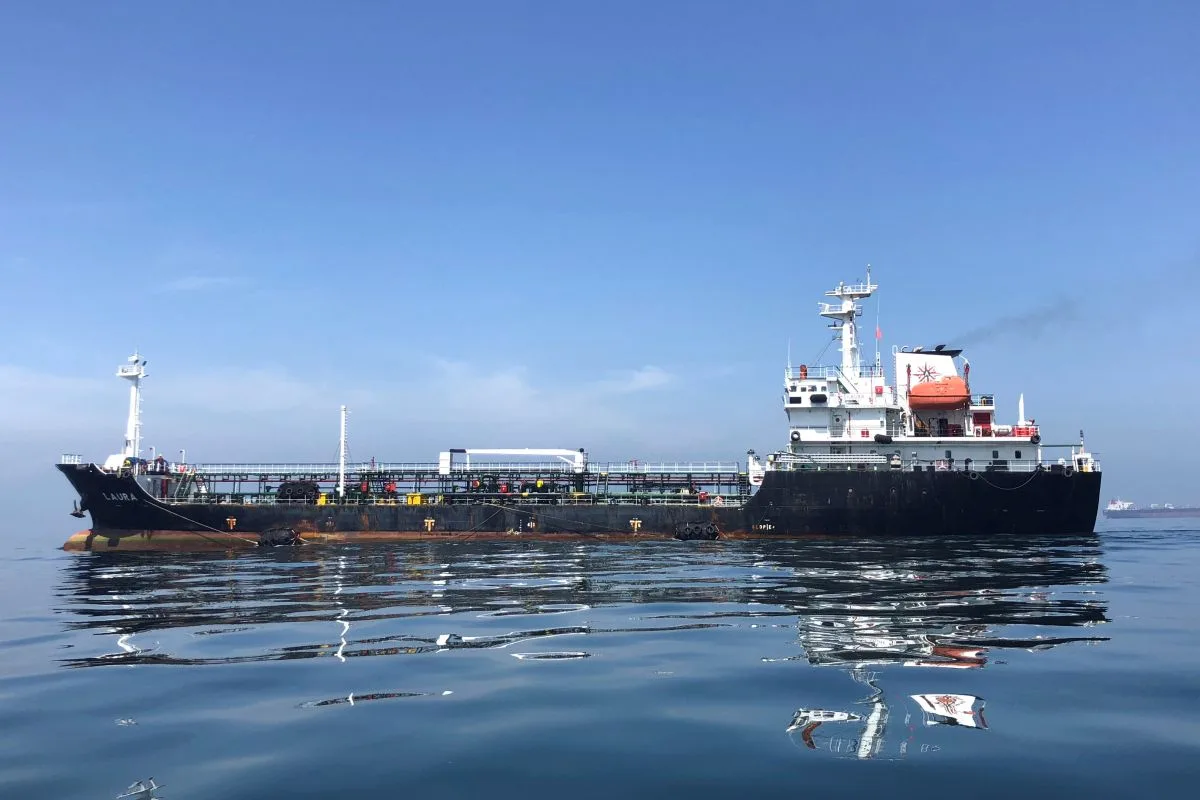
Three Saudi-flagged supertankers named Shaden, Jaham, and Awtad resumed crossing the Strait of Hormuz on June 18, carrying about 6 million barrels of crude oil after the recent US-Iran interim peace agreement was signed [1, 2, 3, 4, 5, 6, 7]. Each vessel is a very large crude carrier (VLCC) with about 2 million barrels capacity [1, 4, 6].
The tankers had been stranded inside the Persian Gulf since the conflict involving the US, Israel, and Iran began on February 28, sharply curbing traffic through the Strait of Hormuz [1, 2, 3, 6]. Before the war, about 130 ships passed daily through Hormuz; during the conflict, that number dropped to around 10 vessels per day [6]. Approximately 30 supertankers and over 100 oil tankers were trapped in the Gulf during this time [1, 3].
The reopening followed the signing of the 14-point Islamabad Memorandum in negotiations led by Pakistan, finalized between June 17-18 by US President Donald Trump and Iranian President Masoud Pezeshkian [2, 4, 6, 7]. The supertankers reactivated their transponders after hiding their locations for over two months [1, 4, 6].
Shipping companies had been cautious about sending vessels through the waterway amid fears of mines and attacks, as well as unclear reopening protocols [1, 3, 4]. The US published guidance for vessels to take a southern route near Oman's coast through the strait [1, 3]. The Joint Maritime Information Center downgraded Hormuz's threat level to "substantial" from "severe," while warning risks remain from mines and attacks [4].
On June 18 and 19, commercial traffic through the strait increased sharply, with 25 ships passing in one day carrying around 8 million barrels of crude, including 6.2 million barrels of Saudi crude [7]. Alongside the Saudi tankers, other vessels crossing recently included the Qatari LNG carrier Mraikh heading to Pakistan’s Port Qasim and Chinese-managed tankers Ye Chi and Tong Lin Wan [1, 2, 3, 4, 7]. An Iranian tanker Viraj, carrying contaminated petroleum products, also passed and is en route to the UAE [6].
Matt Smith, director of commodity research at Kpler, said "The floodgates haven't opened, there is no mass exodus as yet," reflecting a measured resumption of traffic [4].
The next milestone will be monitoring how ship movements evolve as more vessels consider transiting the Strait of Hormuz under the reduced threat conditions.