Maharashtra’s Devgad region saw a drastic collapse in its Alphonso mango harvest in 2026, with losses estimated at 85 to 90 percent according to a government-backed survey [1, 2]. The 1.2-hectare orchard of mango farmer Komal Walke produced almost no Alphonso mangoes this year, forcing her to source fruit from larger farms to fulfill orders for online grocers. Walke said, "If we don’t deliver on our orders, the big clients will not return next year" [1, 2].
Experts attributed the crop failure to unusual weather patterns linked to a strong El Nino event. Sharp temperature differences between day and night in December 2025 and January 2026 hurt flowering and fruit setting. This was followed by hotter than usual weather in April and May 2026, which spoiled the fruits [1, 2]. Maharashtra is famed for its Alphonso mangoes, often called the "King of Mangoes" [1, 2].
India produced 28 million tonnes of mangoes in 2024-2025, with the industry valued at US$2.3 billion in 2025. Mango exports were worth about US$56 million, with pulp exports adding another US$80 million [1, 2]. The weather damage comes amid a slump in exports caused by conflict-related disruptions in Iran, a major market [1, 2].
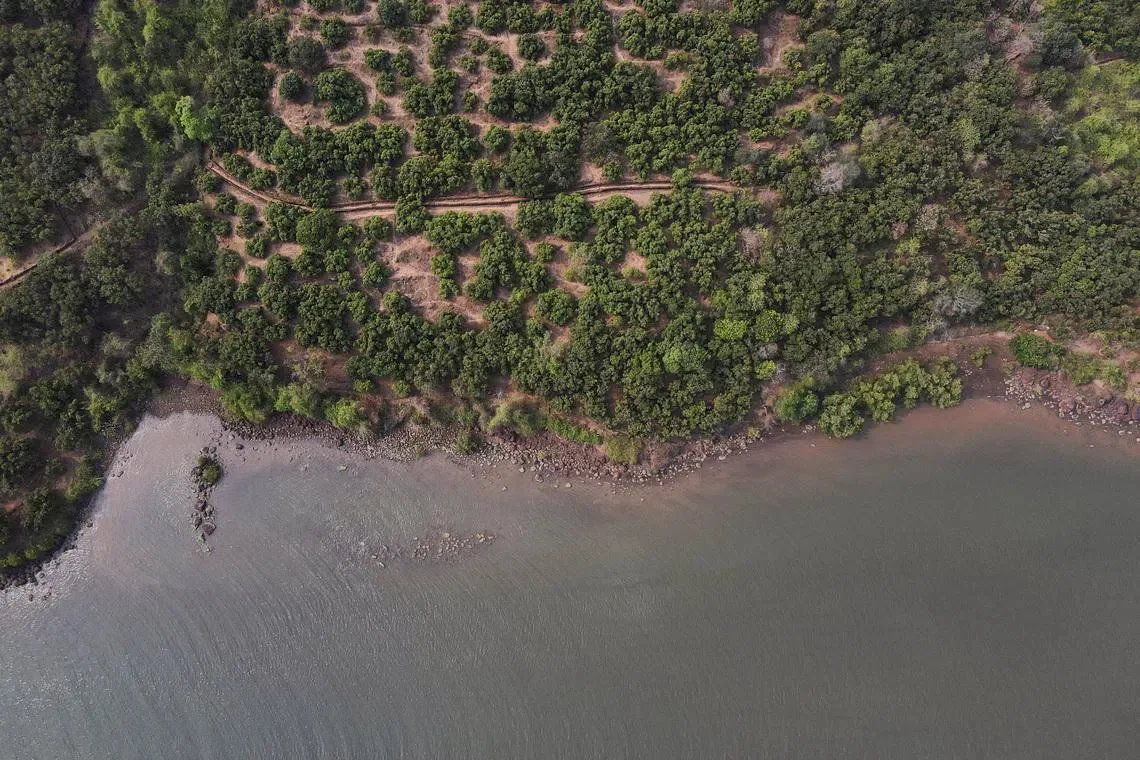
The government survey confirmed the significant crop losses early this year. Komal Walke’s orchard, spanning 1.2 hectares (3 acres), exemplifies the scale of damage that pushed growers to source alternative supplies despite regional fame for Alphonso mangoes [1, 2].
A strong El Nino is forecast to persist through 2026, expected to have adverse effects on crops across Asia, South America, and Africa [1, 2]. The Devgad mango crop failure highlights the challenge it poses to India’s leading mango-producing state.
Farmers and exporters now face pressure to adapt as the next mango season approaches. The extent of recovery or ongoing impact will depend on weather conditions in the coming months and the El Nino’s trajectory.