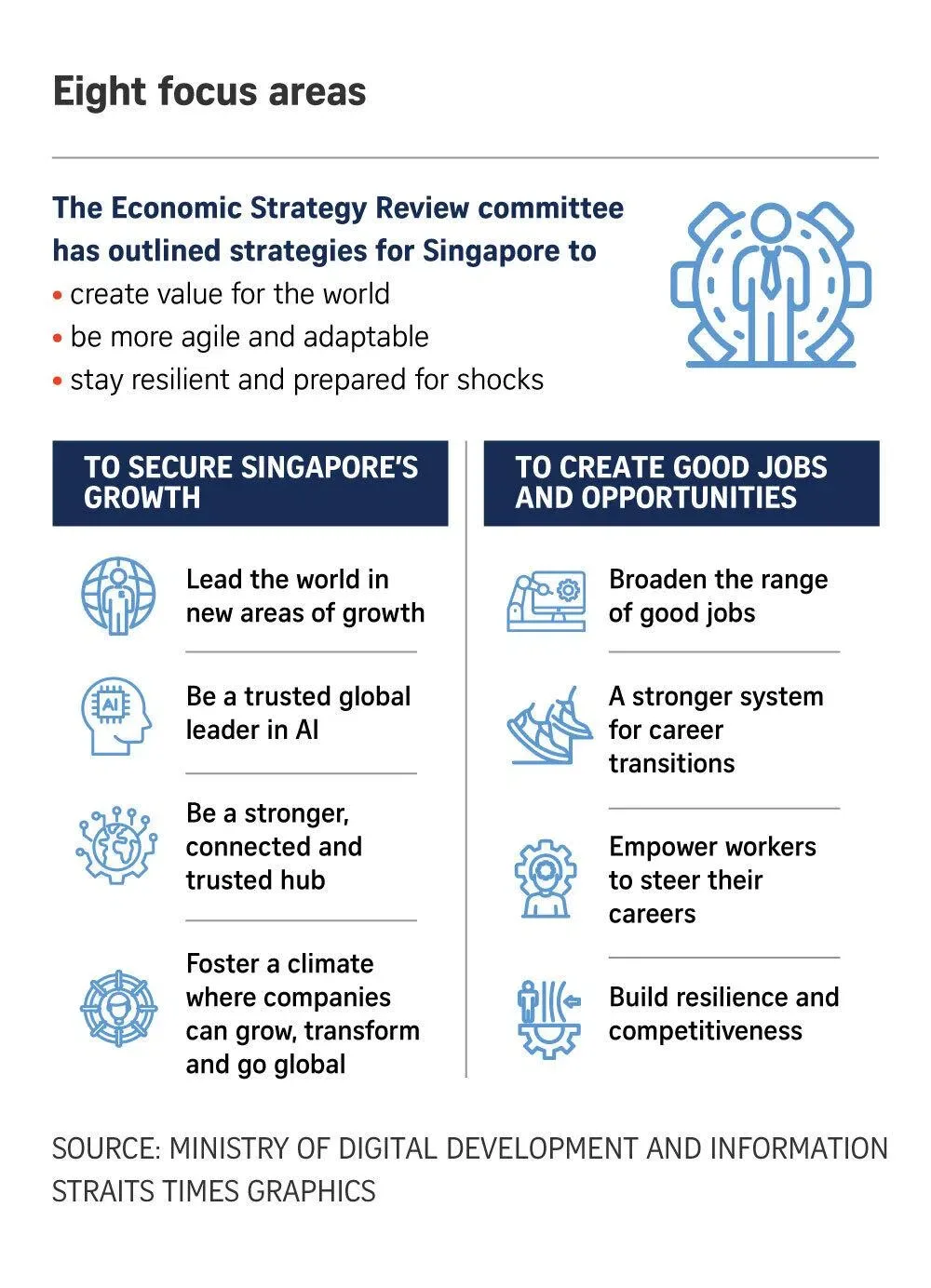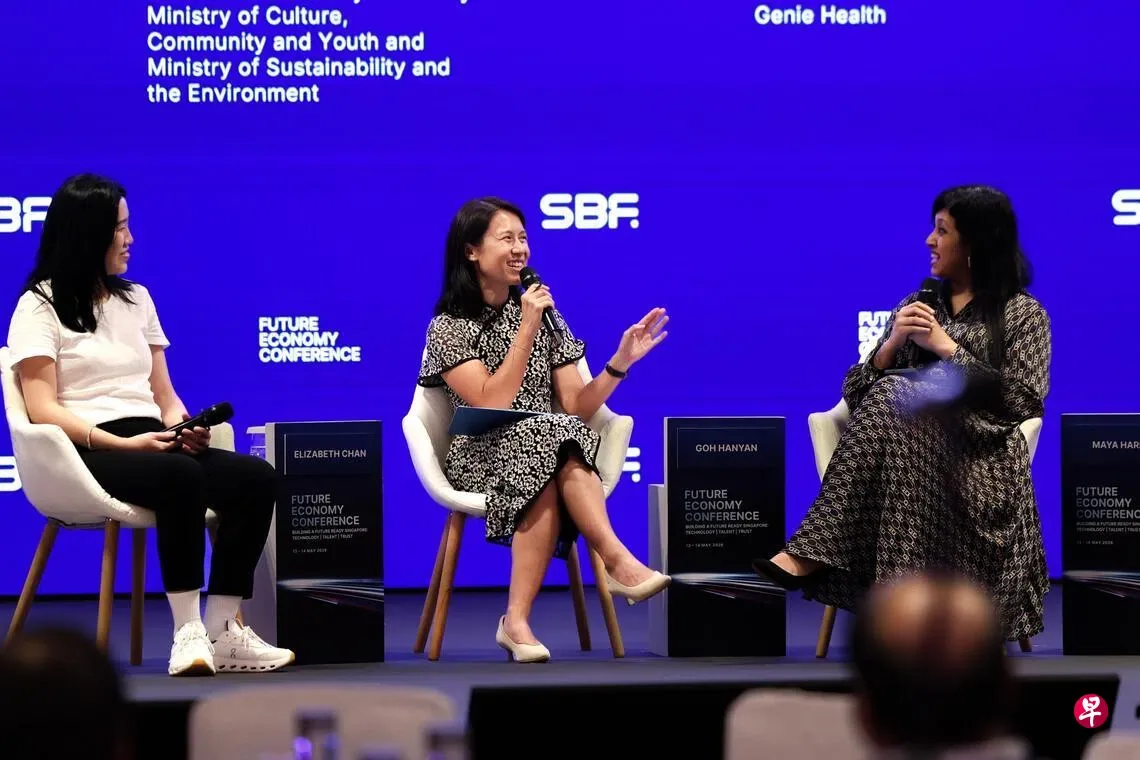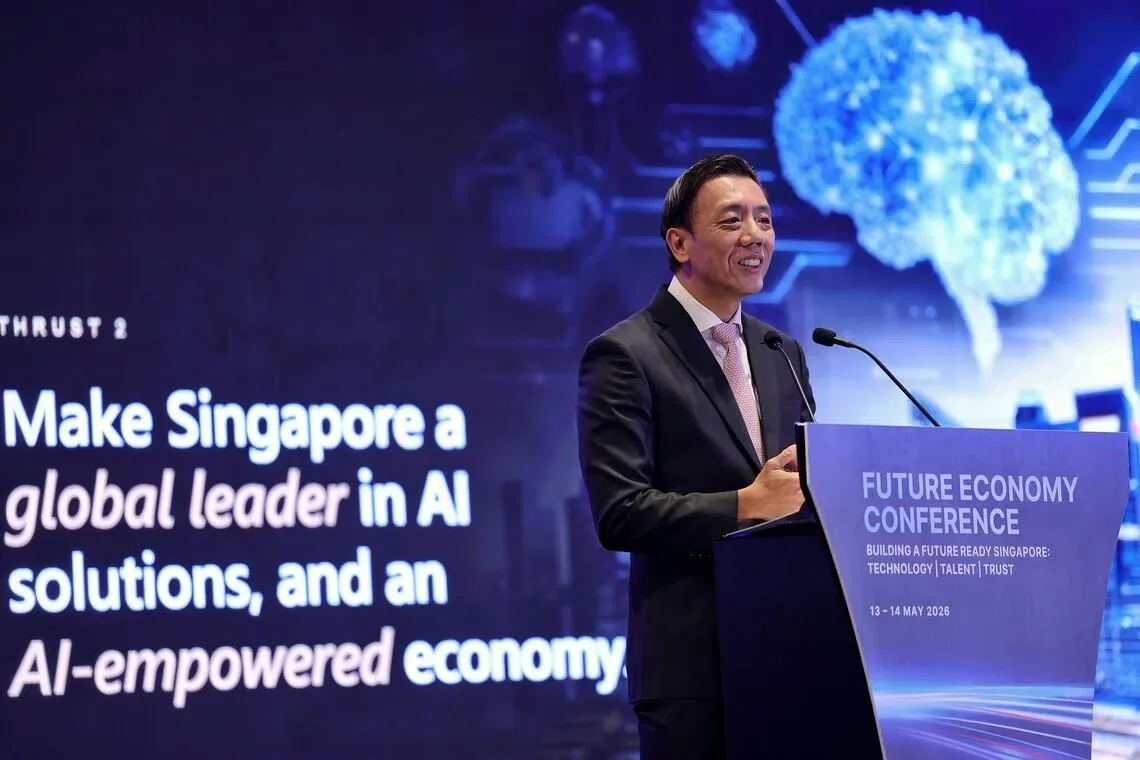
Singapore’s Economic Strategy Review (ESR) committee has outlined plans to position the country as a trusted hub for developing, testing, and deploying AI solutions at scale across industries. The committee’s recommendations were submitted to the government after more than 80 consultations and presented by Deputy Prime Minister Gan Kim Yong on May 13, 2026, at the Future Economy Conference [1, 2].
The ESR committee, formed in August 2025 and led by 10 political office holders, aims to chart Singapore’s economic plans for the next 5 to 10 years amid growing geopolitical uncertainties, rapid technological changes, climate challenges, and evolving work trends [1]. Gan said, "It is about how Singapore positions itself for the longer term, to stay competitive, create good jobs and remain relevant in a more fragmented, contested and fast, changing world" [1].
Singapore will not seek to build the largest frontier AI models or biggest data centers but will focus on enabling widely deployed AI solutions that solve real-world problems in sectors such as advanced manufacturing, finance, healthcare, and logistics. These four focus areas are aligned with the government’s National AI Council missions established to drive the national AI strategy [3].
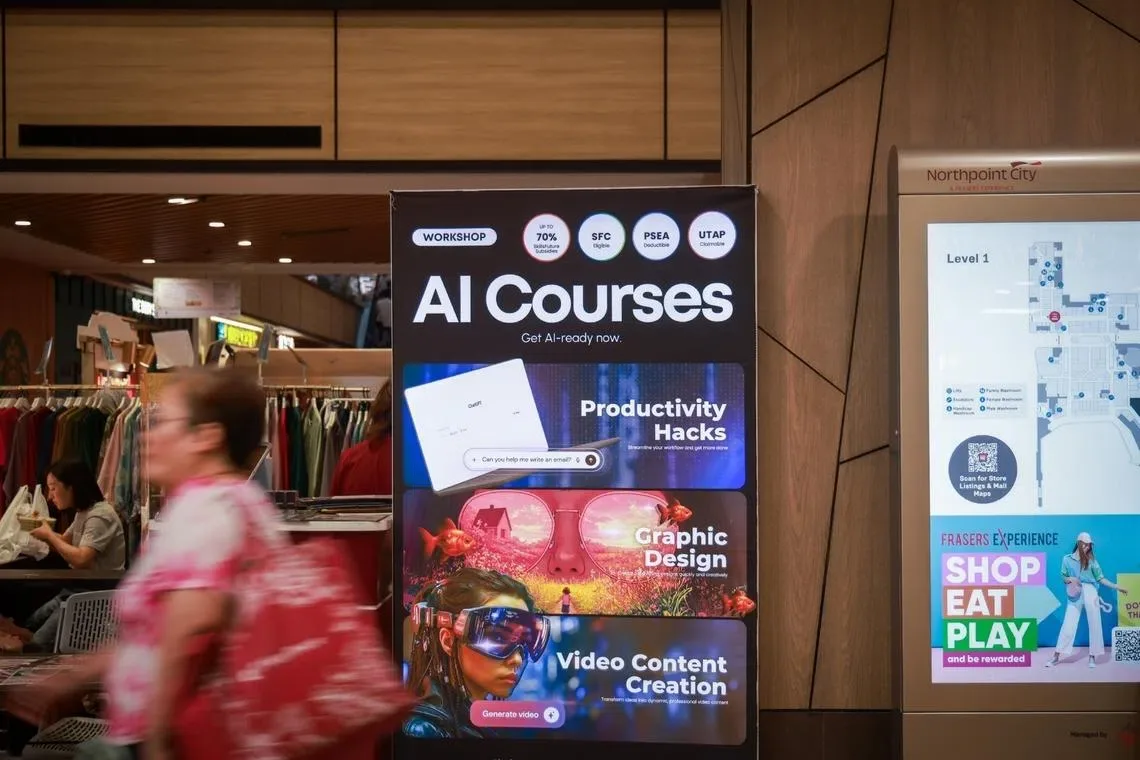
The ESR roadmap underscores the need for updated AI governance, investment in AI safety, mobilizing resources, attracting AI companies and talent, and offering tailored support and training—especially for small and medium enterprises—to foster broad AI adoption [3, 2]. AI adoption challenges include fragmented data sources and the risk of information overload. Senior Minister of State 吴函燕 noted that AI can generate hundreds of reports, which may obscure key data, and scattered data across systems can hinder AI progress [2].
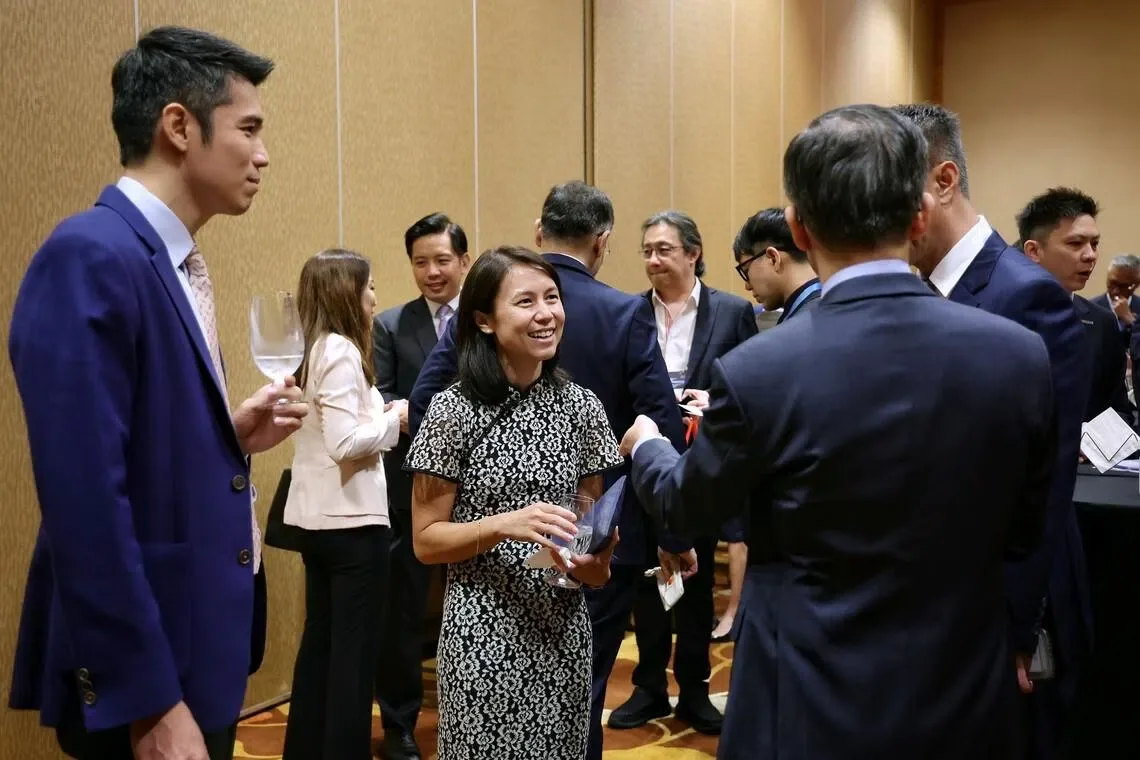
Singapore acknowledges it cannot compete with larger countries on AI talent volume but emphasizes its advantage as a small nation that can integrate government, industry, unions, and workers swiftly to advance AI adoption. 吴函燕 said, "The development of AI technology is unstoppable. The best thing we can do is to treat it in a way that improves public welfare, strengthens the workforce and our own capabilities" [2].
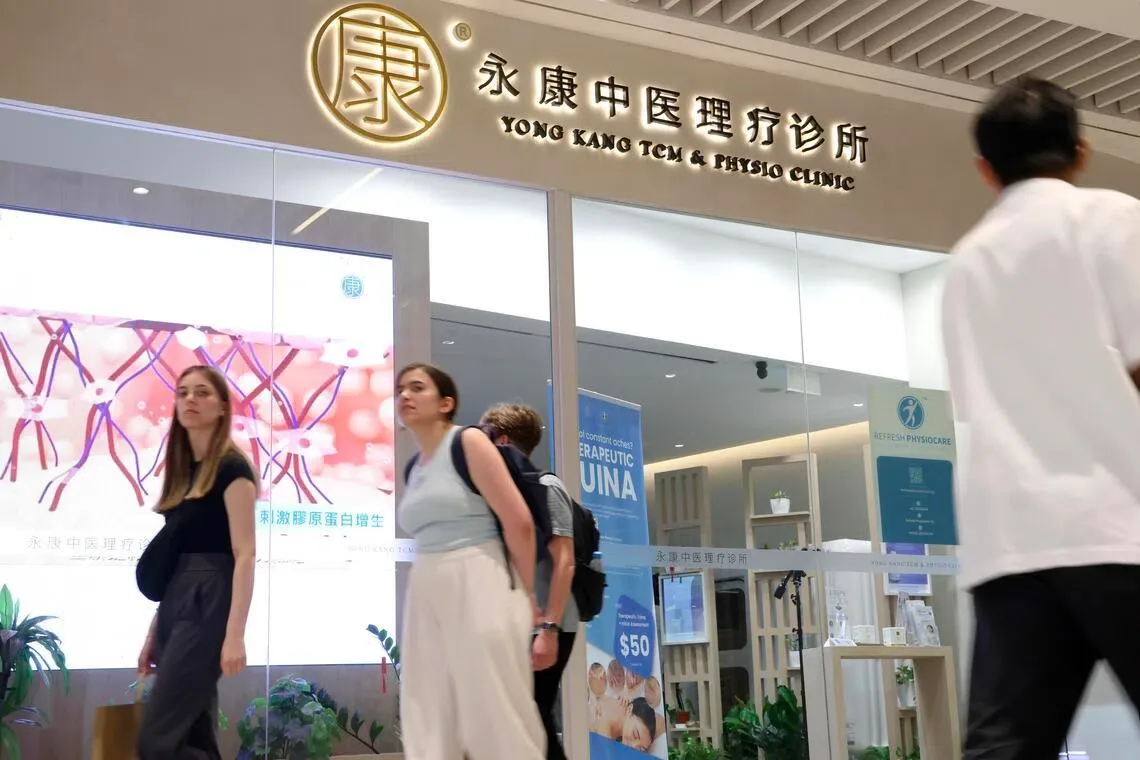
An example of AI use in Singapore is Yong Kang TCM Clinic, which began using AI 18 months ago to handle customer service inquiries with positive results. The clinic plans to expand AI applications while carefully assessing their value [2].
The ESR secretariat will work with the government to implement these recommendations aimed at ensuring Singapore’s economic competitiveness and resilience amid a fragmented global environment [1].