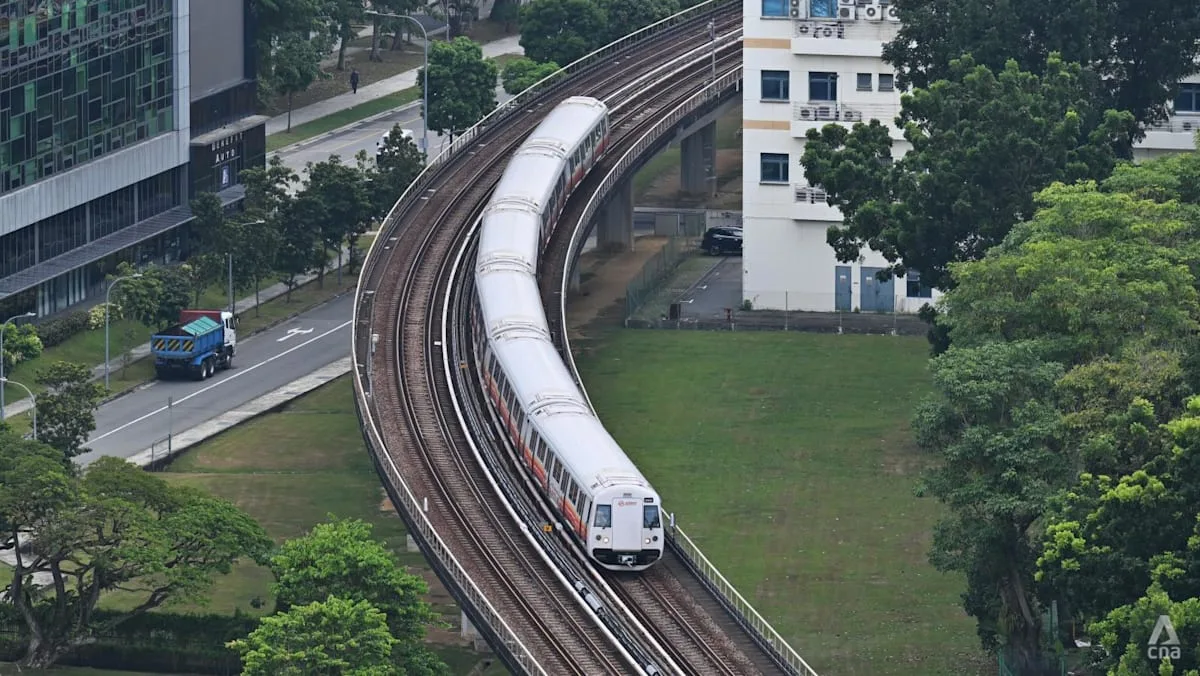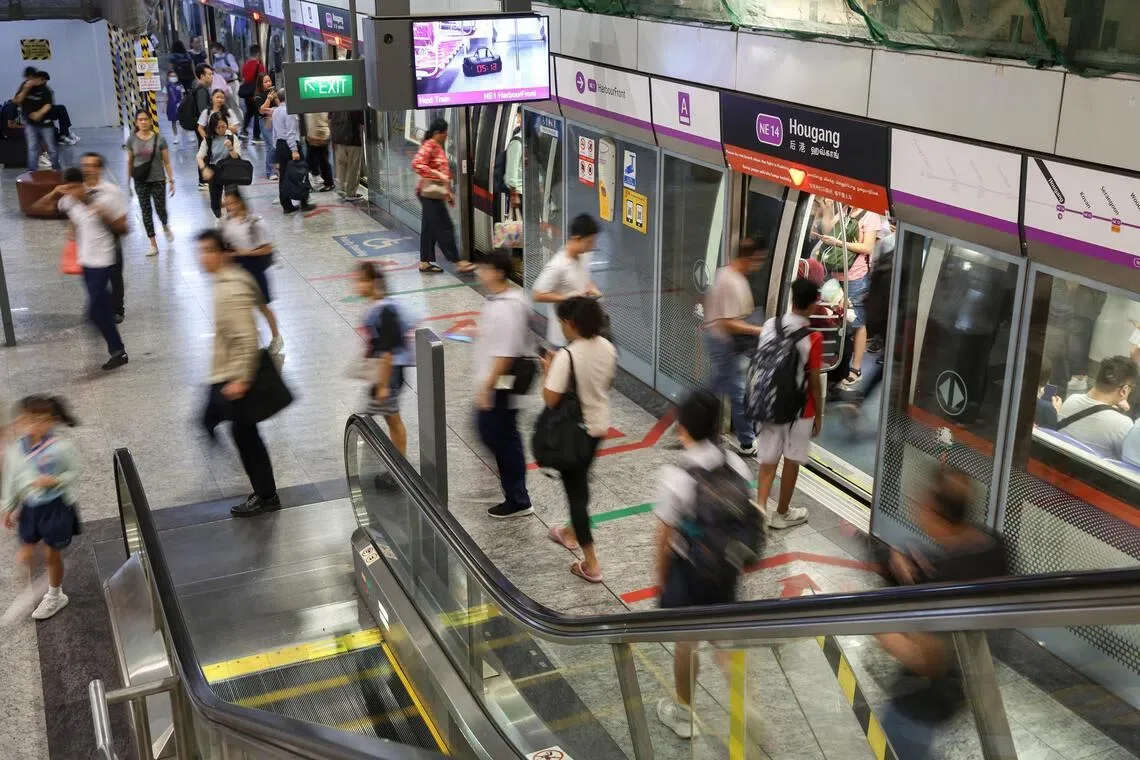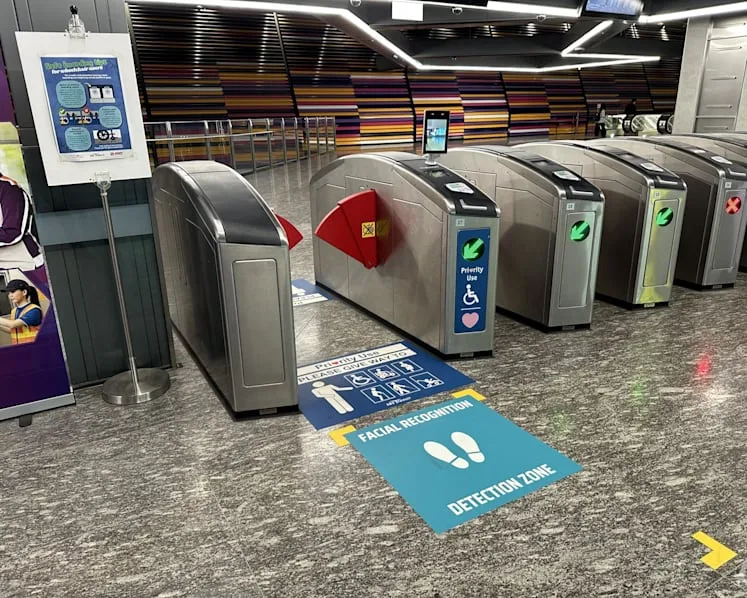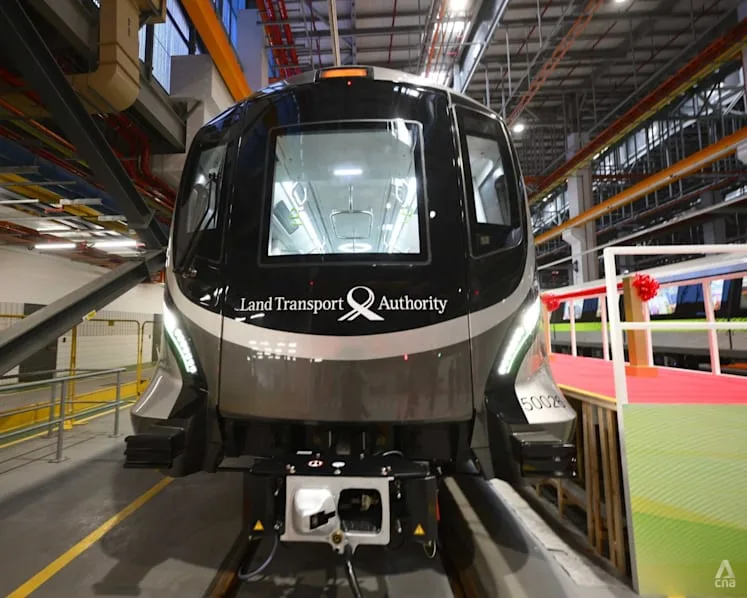
The Singapore Mass Rapid Transit (MRT) network reached a milestone in July 2026 by marking nine consecutive months without any delay exceeding 30 minutes, the longest such streak since reliability tracking began in 2011 [1, 2, 3].
The network's overall mean kilometres between failures (MKBF) in July averaged 2.37 million train-km, slightly up from 2.36 million in June. This represents the fourth straight month with MKBF above 2 million train-km, underscoring continued improvements in train reliability [1, 2, 3].
All five mature MRT lines recorded stable or improved MKBF figures in July compared to June. The Circle Line's MKBF rose to 2.45 million train-km from 2.4 million. The North East Line saw a marginal increase from 4.46 million to 4.47 million train-km. The North-South Line maintained its MKBF at 1.65 million train-km after a June revision triggered by a delay over five minutes on June 11. The East-West Line held steady at 2.02 million train-km, while the Downtown Line remained at 4.2 million train-km in July [1, 2, 3].
Train punctuality dipped slightly to 99.29% in July from 99.32% in June, but remained very high by international standards [2, 3]. The Thomson-East Coast Line is excluded from MKBF calculations as it continues construction and system integration [1].
The Land Transport Authority (LTA) credited the milestone to sustained efforts by transport workers and rail operators. An LTA spokesperson said, "Our high MKBF levels over the last four months reflect the sustained effort and dedication of our transport workers and rail operators to uplift reliability and improve their response to faults and incidents" [1].
These improvements follow recommendations issued by a Rail Reliability Taskforce formed in February 2026 aimed at boosting MRT dependability [1, 2, 3]. The last major delay exceeding 30 minutes occurred in November 2025, before the current uninterrupted streak began [2, 3].
The MRT network will continue monitoring performance data closely as the Thomson-East Coast Line completes its construction and integration, with updates expected in coming months [1].