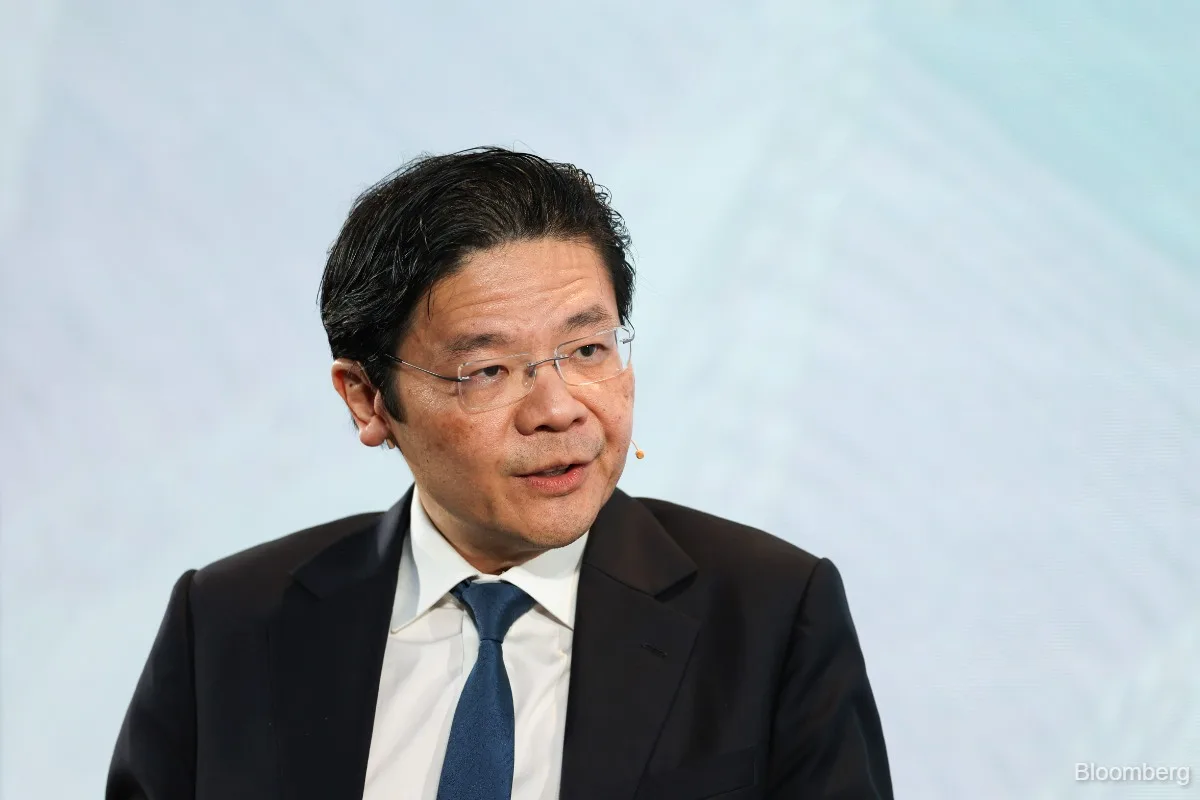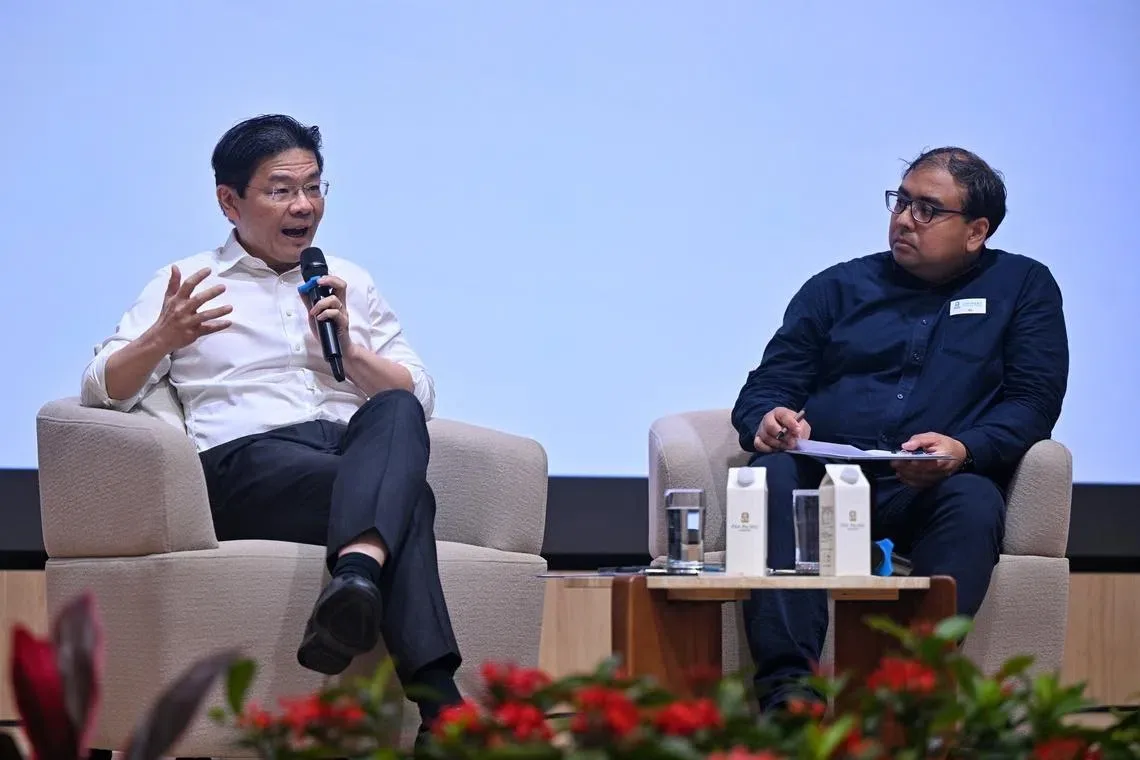
Singapore's economy grew 6% year-on-year in the first quarter of 2026, surpassing an earlier estimate of 4.6% growth [1]. Despite the strong start, Prime Minister Lawrence Wong warned on August 8 at Singapore Press Club events that the full economic impact of the Middle East conflict, which began in February, is yet to be felt [2, 1]. Electricity tariffs have not yet fully reflected rising oil prices driven by the crisis, which adds to inflation risks ahead [1].
The Singapore government expects growth and inflation pressures to emerge in the second half of 2026 amid ongoing global geopolitical tensions and elevated energy costs [2]. Wong noted that while buffers such as alternative supply routes and inventory drawdowns have cushioned the initial disruptions, prolonged conflict may cause shortages and more severe economic impacts [1]. He said, "If the disruption continues and buffers start to dwindle, at some point the impact on the global economy will be more severe, and there may be more shortages" [1].
Wong also highlighted concerns over intensifying US-China rivalry under the return of President Donald Trump and rising trade tensions, with Singapore pursuing diversification of trade ties [2]. China remains a key pillar supporting open markets and stable global commerce from Singapore's perspective [2].
In response to uncertainty and technological changes, Singapore is making broad adjustments to its economic planning [1]. Wong emphasized the need to maintain social cohesion and unity amid fractured global conditions, describing these as "our greatest strength" and essential to future prosperity [1]. He stressed, "We cannot fully control how the world changes, but we can choose how we respond, and that response must come from Singaporeans ourselves" [1].
The government will monitor developments closely as pressures on growth and inflation are expected to materialize later this year [2].